
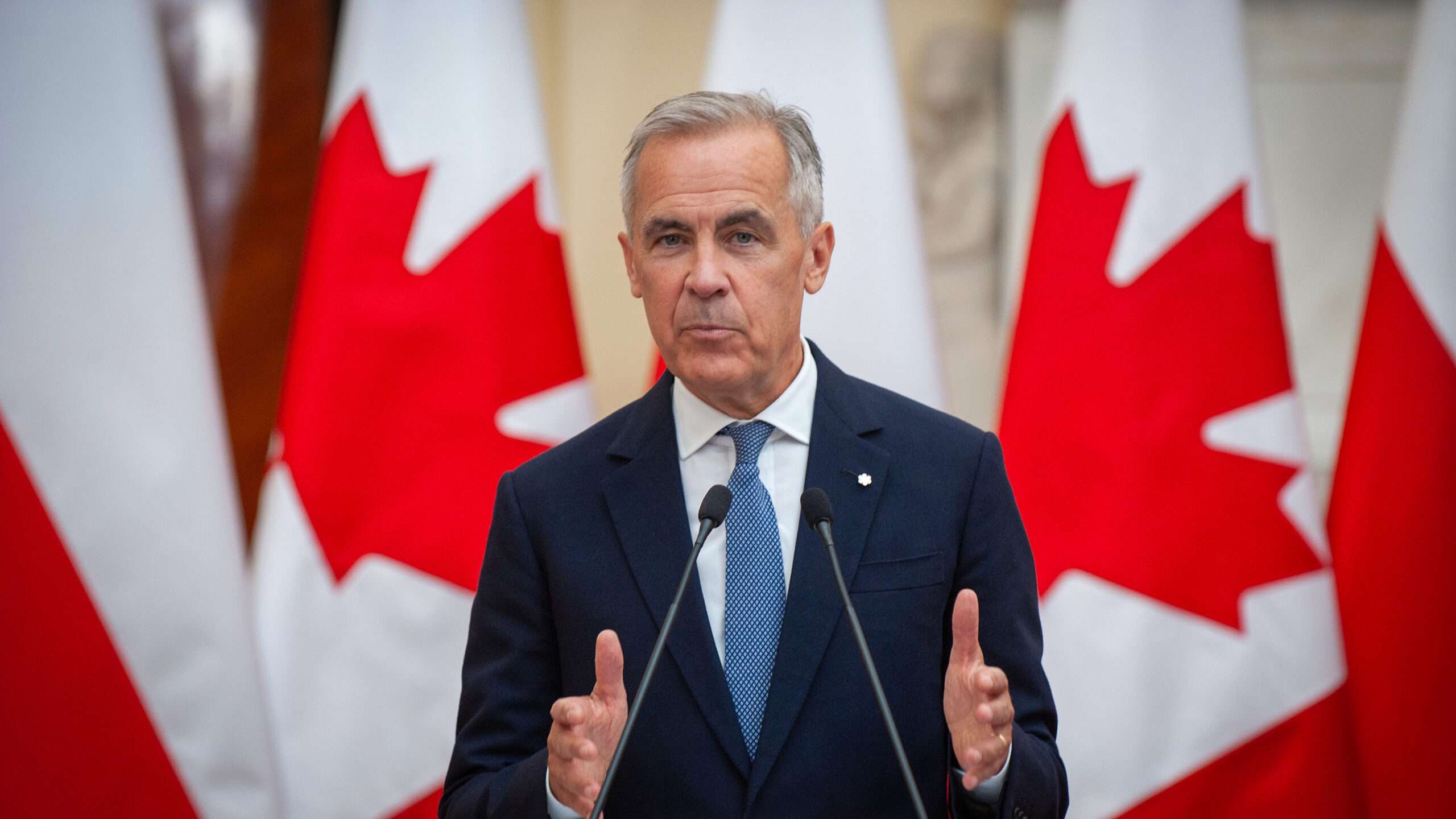
As the global economic order continues to reshape itself, driven in part by the tariff-driven policies of the Trump administration, Canada finds itself in the midst of a proposed restructuring of its own economy, championed by Mark Carney. On the first day of the week, he unveiled plans for a new instrument he described as a sovereign wealth fund, dubbed the Canada Strong Fund. The initiative would commence with an initial pool of 25 billion Canadian dollars (roughly 18.4 billion dollars) earmarked for financing a range of infrastructure undertakings.
Carney framed the moment as a warning that the system Canada helped establish is faltering. He argued that the nation’s once-formidable advantages, rooted in its close economic ties with the United States, have transformed into a vulnerability. To address these shifts, he proposed that the wealth fund operate as a national savings and investment vehicle, drawing inspiration from Norway’s vast, multi-trillion-dollar fund. Yet the concept he laid out diverges from that model in key respects.
In Norway, the fund is sustained by oil and gas revenues and is designed to spend only the returns it earns, with expenditures permitted primarily abroad to guard against corruption and political manipulation. By contrast, Carney’s plan would be funded through borrowing and would allocate the money to Canadian enterprises. He indicated that the fund would channel resources into infrastructure, advanced manufacturing, energy, and mining, with “leading Canadian companies” slated to receive support.
Franco Terrazano, the federal director of the Canadian Taxpayers Federation, criticized the proposal, saying, “It’s not a sovereign wealth fund. It’s a debt-fueled corporate slush fund.” He argued that Carney’s plan rests on borrowed money rather than wealth or savings and would gamble taxpayer dollars on precarious corporate giveaways. The precise list of projects that would receive this borrowed capital had not yet been disclosed, but financial forecasts suggest a burden for public finances. The government is already projecting a deficit of about $66.9 billion for fiscal year 2026, with federal debt surpassing the $1.2 trillion mark and standing at roughly 41.2 percent of Canada’s GDP.
Despite these precarious fiscal dynamics, Carney pressed ahead with the proposal. Terrazano contends that this is not the government’s sole “slush fund.” He points to existing programs such as the Canada Infrastructure Bank, the Canada Growth Fund, and a range of subsidies totaling billions of dollars, all of which have earned a mixed record for prudent public spending.
The Canada Infrastructure Bank was established in 2017 with an initial commitment of $35 billion in public funds. It pledged to back more than a hundred projects, but only a fraction—around eleven—were completed. One illustrative case is the Lake Erie Connector, a plan to construct a high-voltage line linking Ontario to Pennsylvania. After spending about $655 million on a project with a $1.7 billion price tag, the developer canceled, citing “rapid cost escalation.” The bank’s first chief executive, Pierre Lavallée, stepped down in April 2020, and, despite failing to deliver any project under his tenure, received six-figure bonuses upon departing.
Meanwhile, the Canada Growth Fund, intended to finance ventures that stimulate growth and curb greenhouse gas emissions, has effectively served as a vehicle for corporate welfare. In 2024, Strathcona Resources—the country’s sizable oil producer with reported revenue exceeding $4 billion—was awarded $500 million in taxpayer funding, with potential to rise to $1 billion, to kick off carbon capture initiatives across facilities in Saskatchewan and Alberta. The projects are ongoing, and the company anticipates reclaiming “substantially all of [its] share of capital costs” through federal tax credits.
Terrazano offered a broader critique, suggesting that the same political dynamics seen elsewhere—where politicians enjoy spending other people’s money, staging media events, posing for photographs, and cutting ribbons—are at play in Canada as well. Carney, for his part, argues that the Canada Strong Fund is a necessary instrument for sustaining Canada’s long-run prosperity. Yet with the country already facing significant fiscal strains and a multitude of other costly programs, creating yet another avenue for government spending raises questions about whether this approach truly serves the broader economic objective.
