
The limits are frequently framed as steps to deter crime. But the specifics reveal a different aim: increasing unionized hiring.
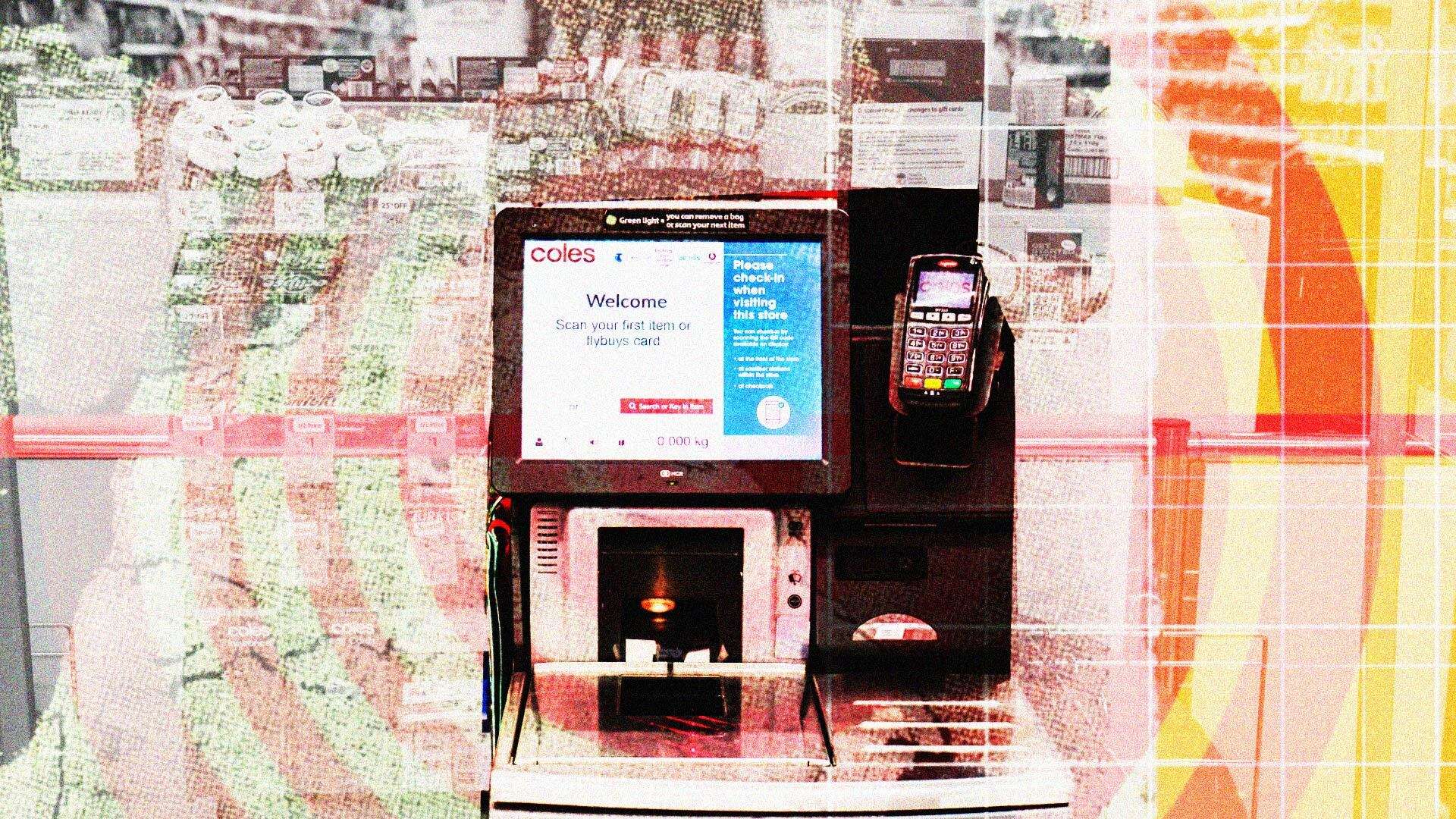
Self-checkout machines have fallen under close examination. In the past few months, a number of states and municipalities have debated measures to curb the use of automated checkout in grocery outlets. These proposals are often pitched as a means to reduce retail theft, yet the underlying motivation appears to be expanding union jobs.
According to USA Today, at least six states have weighed rules that would curb self-checkout use. The states span from the blue-leaning Connecticut to the red-leaning Ohio, and the trend isn’t confined there. Two California cities already enforce limits on self-checkout, while New York City is currently weighing restrictions as well.
Self-checkout restrictions are typically presented as sensible crime-prevention measures that safeguard grocery workers and counter the recent nationwide rise in shoplifting. But the fine print of these bills points to a different motive.
For example, the Connecticut measure requires stores to staff one employee for every two self-checkout machines, in addition to maintaining one manual checkout station for every two automated lanes. Stores cannot exceed eight self-checkout lanes in total. And any employee tasked with supervising self-checkouts is barred from taking on other duties that could interfere with such supervision.
The various bills circulating in other state capitals and city halls are largely built on a similar framework. A prior version of California’s self-checkout bill specified that any store seeking to implement technology that “significantly affects the essential job functions of its employees” or “eliminates jobs or functions” must conduct an “impact assessment” before proceeding, underscoring the real impetus there.
In other words, under the banner of reducing theft, these rules would functionally force stores to hire more clerks at any given time. Given that the grocery sector has historically exhibited higher unionization rates than other retail sectors, this would translate into more unionized positions.
If any doubt remains, one need only examine the principal backers of these bills. In Connecticut, all the legislative testimony supporting restrictions on self-checkout came from labor unions, including representatives affiliated with AFL-CIO, Service Employees International Union (SEIU), and the United Food and Commercial Workers (UFCW), the largest grocery workers’ union in the U.S. A CalMatters summary of sponsors and opponents for California’s self-checkout bill likewise shows that the majority of supporters are labor unions.
News articles about these bills frequently quote UFCW representatives praising the proposals. The drive to restrict self-checkout goes back to at least 2019, when unions in Oregon backed a state ballot measure that would have limited groceries to two self-checkout lanes per store.
To be sure, there is evidence that self-checkout machines can be associated with higher shoplifting rates. One oft-cited study found that inventory shrink at grocery stores was 16 times more likely with self-checkout than with traditional cashiers. A LendingTree survey reported that 27 percent of self-checkout users admit to intentionally stealing items in self-checkout lanes, with another 36 percent stating they took items inadvertently.
But not unexpectedly, stores themselves—facing a direct bottom-line incentive to curb shoplifting—have proven more than capable of responding. Walmart and Target have attracted headlines for dropping or limiting self-checkout at various stores nationwide, while Five Below and Dollar General have also scaled back automated checkout in recent years. Technology also offers promise, with several grocers now implementing smart video and AI to crack down on shoplifting in the self-checkout lane.
In the end, grocery retailers themselves are the ones most eager to curb retail theft. If that means reducing reliance on self-checkout, they will do so. But they don’t require government action—supported by unions—to decide for them—and to inflate their payrolls in the process.
