
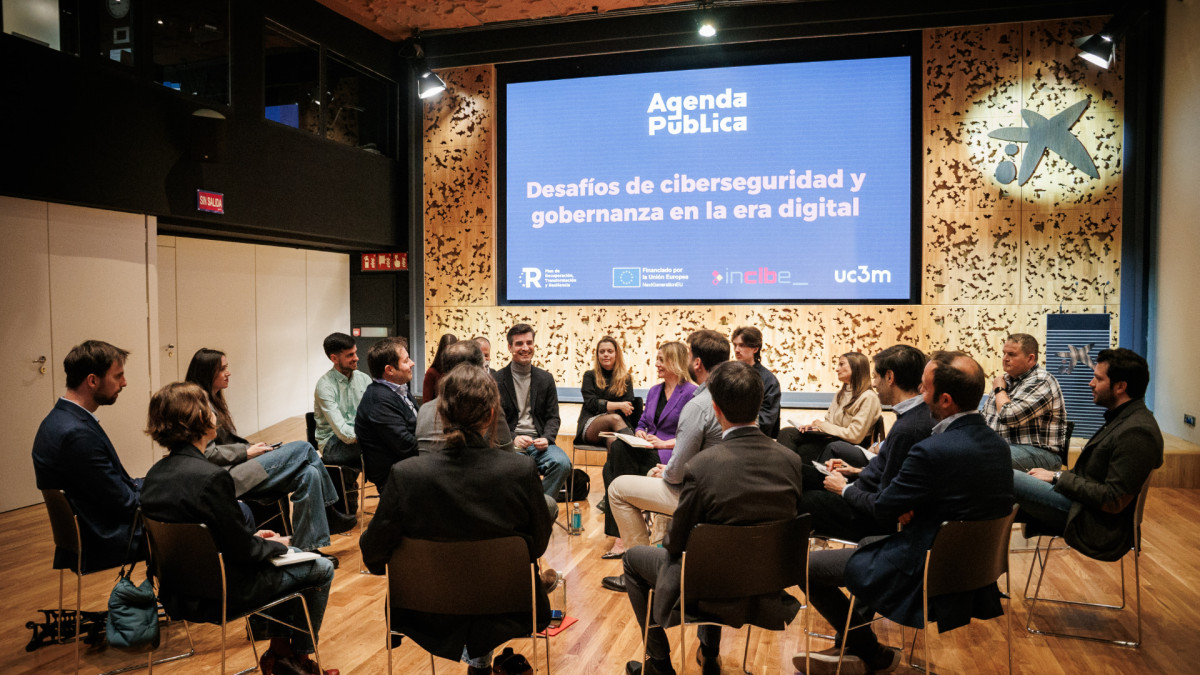
Understanding what misinformation is and how to combat it is a key first step in the face of growing public concern. This was the premise of the Thursday micro-program, dated March 26, focused on cybersecurity. Professors at Carlos III University of Madrid, Pablo Simón and Javier Lorenzo, together with Kartex Risk co-director Albert Borràs, presented the initial results of the report Cybersecurity Challenges and Governance in the Digital Era: A Social Sciences Perspective in Spain (2024-2026) to representatives from Indra, the Elcano Royal Institute, the Army, the Ministry of Transport, Verificat, the Cibervolunteers Foundation, EU DisinfoLab, among others.
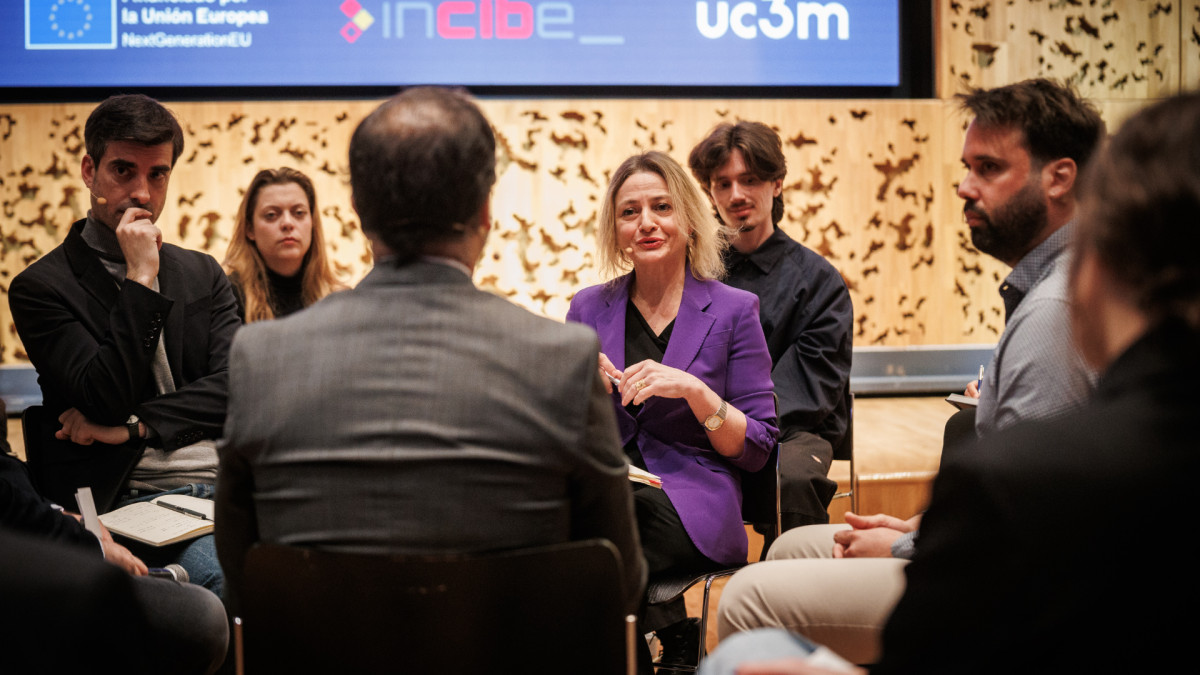
Moderated by Irene Blázquez, director of the Center for the Governance of Change at IE University, and following the presentation by Marc López Plana, director and editor of Agenda Pública, the speakers agreed on characterizing disinformation as a hybrid threat with impact on cyberspace, digital governance, and ultimately democracy. Javier Lorenzo summarized this idea by stating that “disinformation is not a communicational phenomenon, but a hybrid threat to digital governance and the sovereignty of a country.” Within this framework, he identified three key planes: the vulnerability of cyberspace, the campaigns that exploit it, and the broader realm of espionage and political influence.
“Simón resorted to the concept of homonationalism to explain how certain narratives pit vulnerable groups against each other through coordinated hate speech”
For his part, Simón and Borràs illustrated how these dynamics are reflected in the Spanish context. The UC3M professor drew on the concept of homonationalism to explain how certain narratives pit vulnerable groups against one another through coordinated hate speech. In this framework, sectors of the radical right instrumentalize causes related to sexual diversity to oppose minorities, such as the Muslim minority, with consequences of social fragmentation.
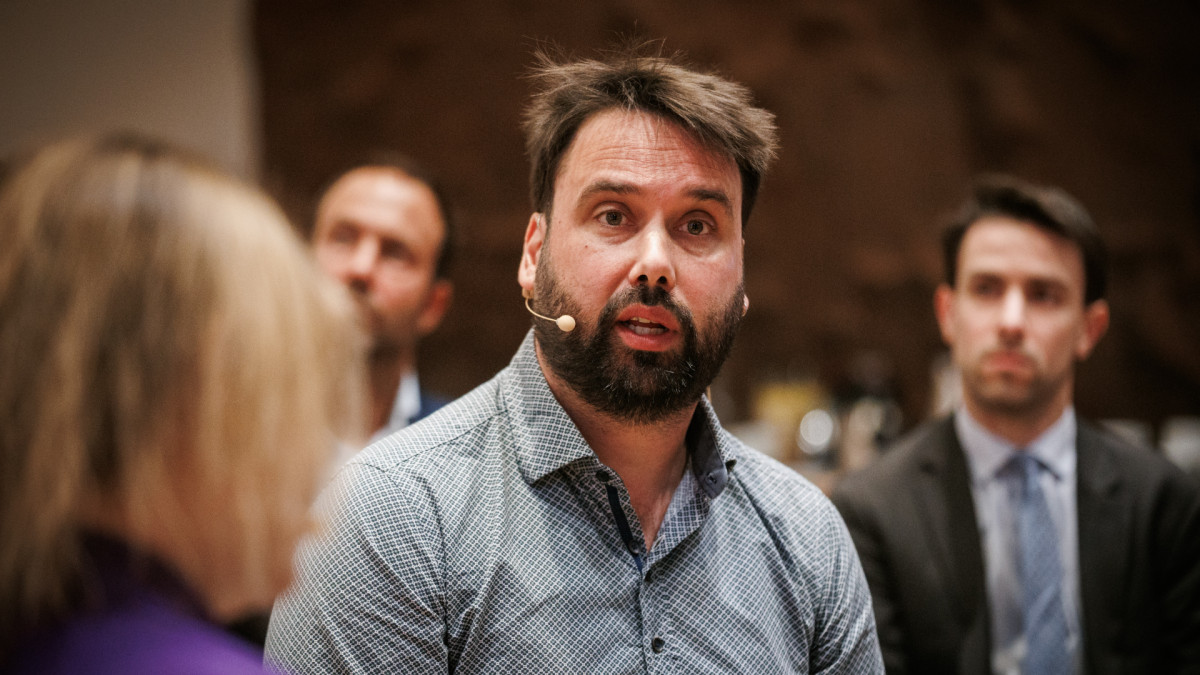
Albert Borràs offered a perspective on Russian misinformation, a topic he has already addressed in Agenda Pública. In this regard, he summarized a key section of the presented report, which received funding from INCIBE: in the Russian case, “a local ideological demand” and “an actor willing to provide a response” converge. To explain the links between Russian propaganda and sectors of the radical left, he traced back to the Catalan procés era. He also aligned his explanation with other events, such as Valencia’s DANA rainfall episode or the acts of violence in Torre-Pacheco, where social networks become launchpads for “political actors who previously could have been marginalized to enter a much larger space”.
“This is about putting people not in front of a ballot box, but on a couch”
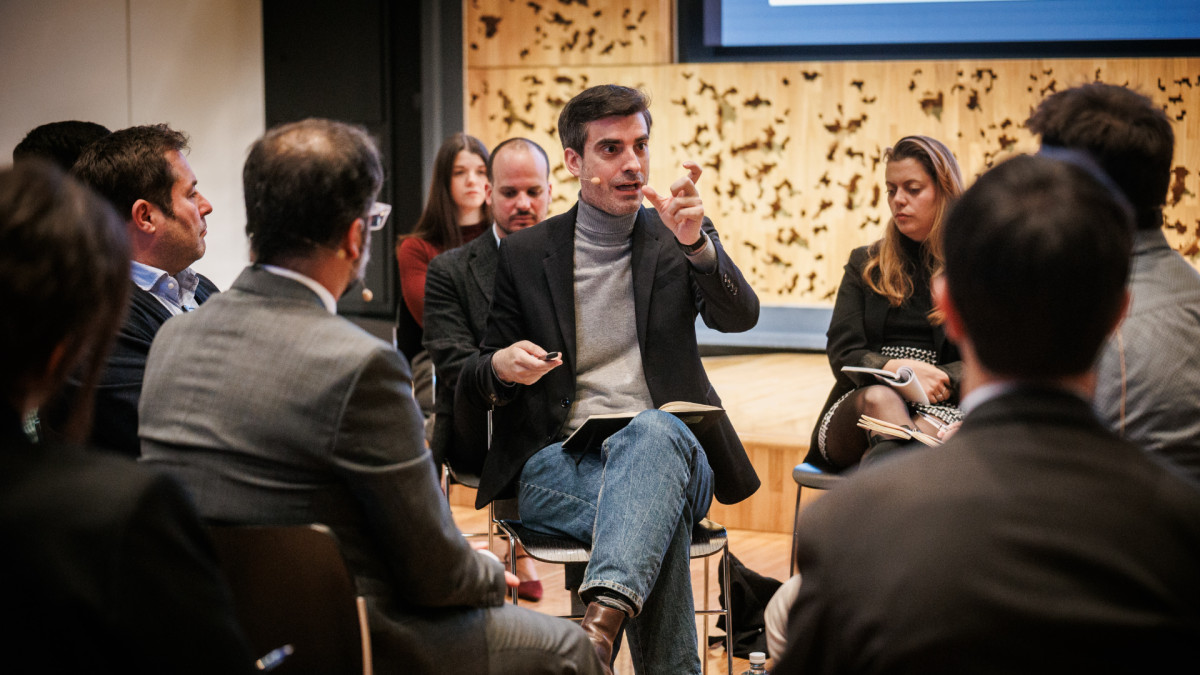
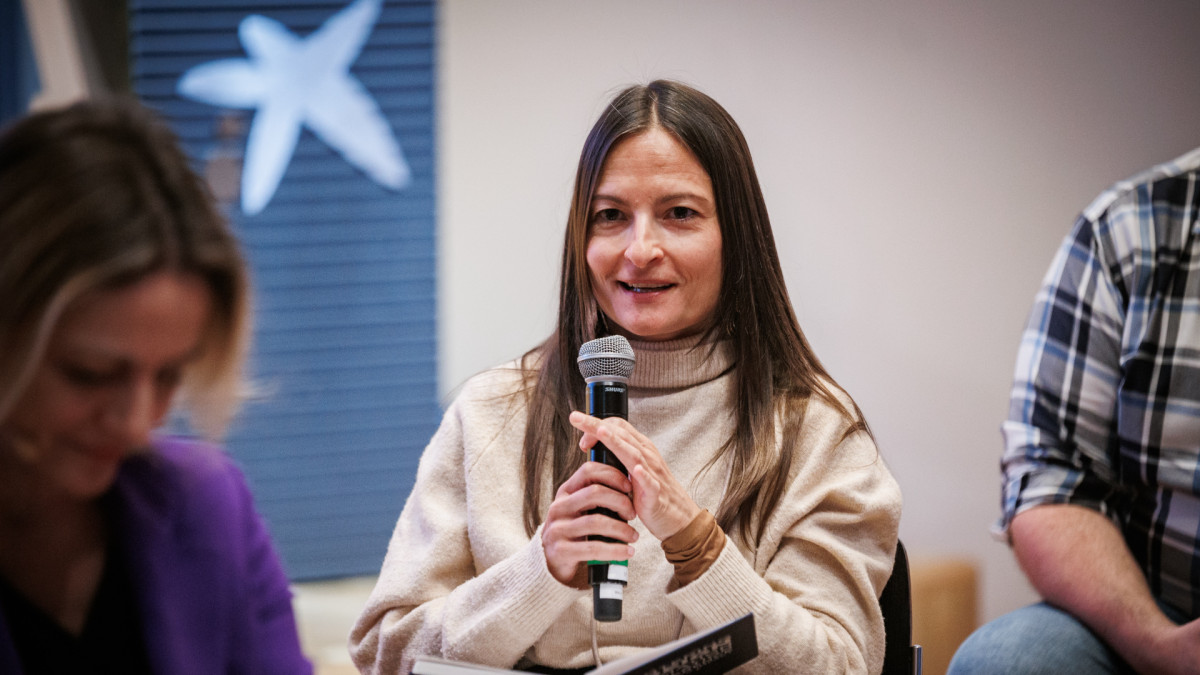
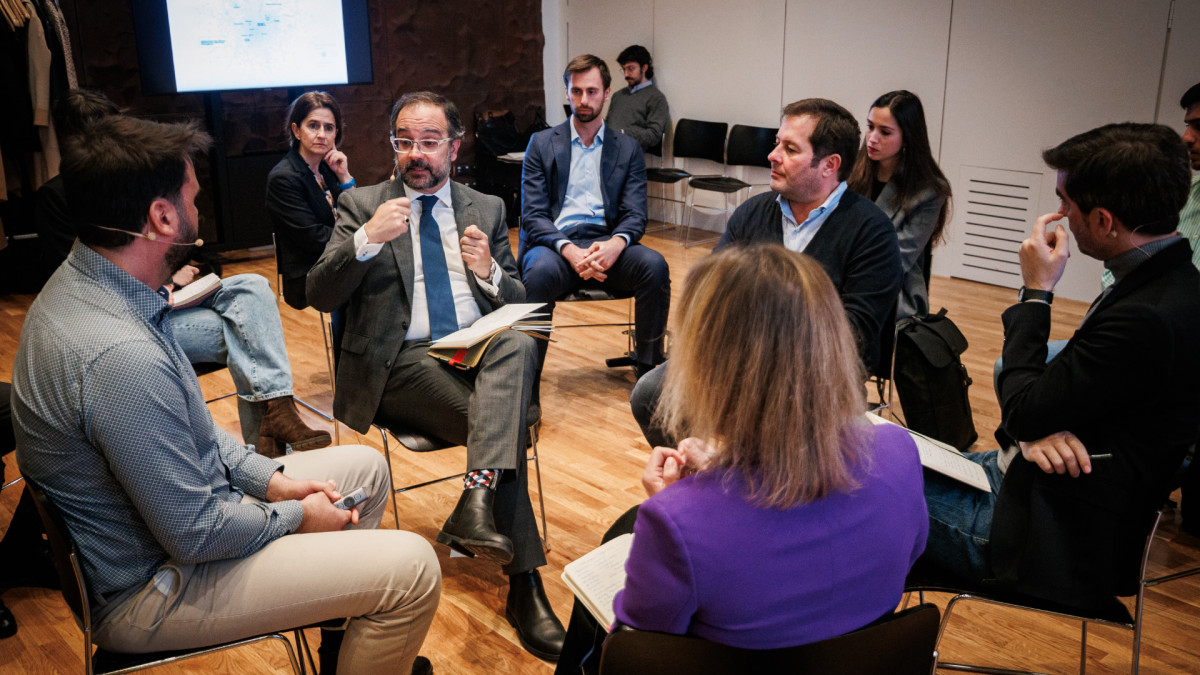
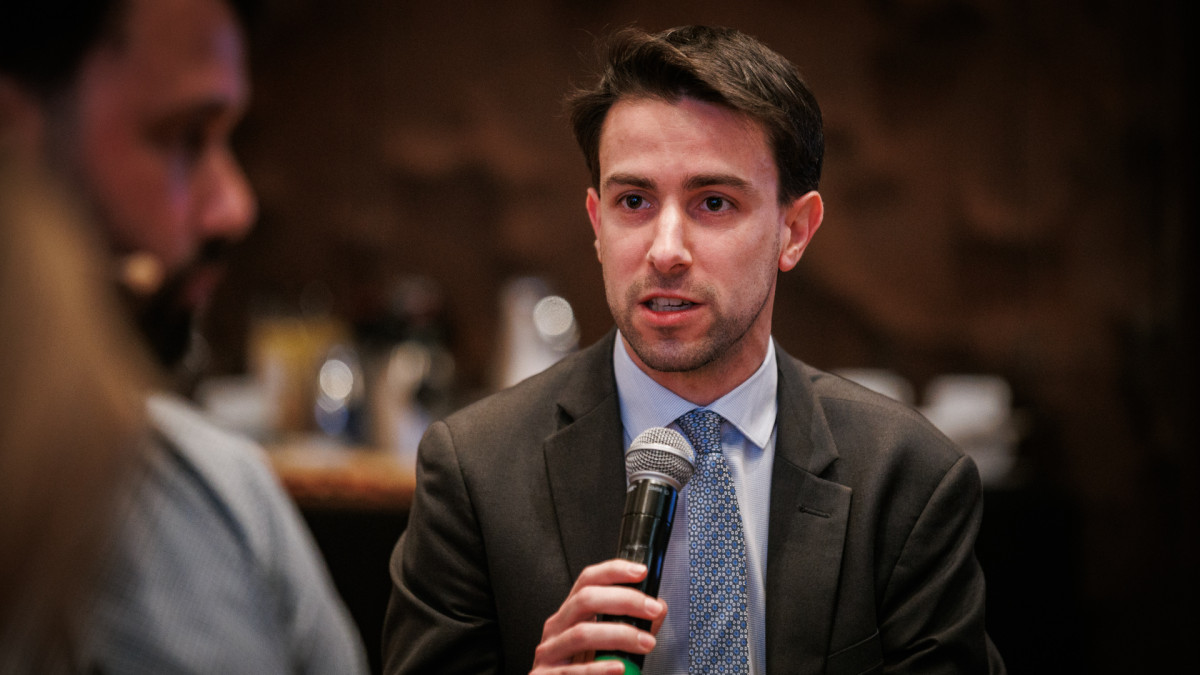
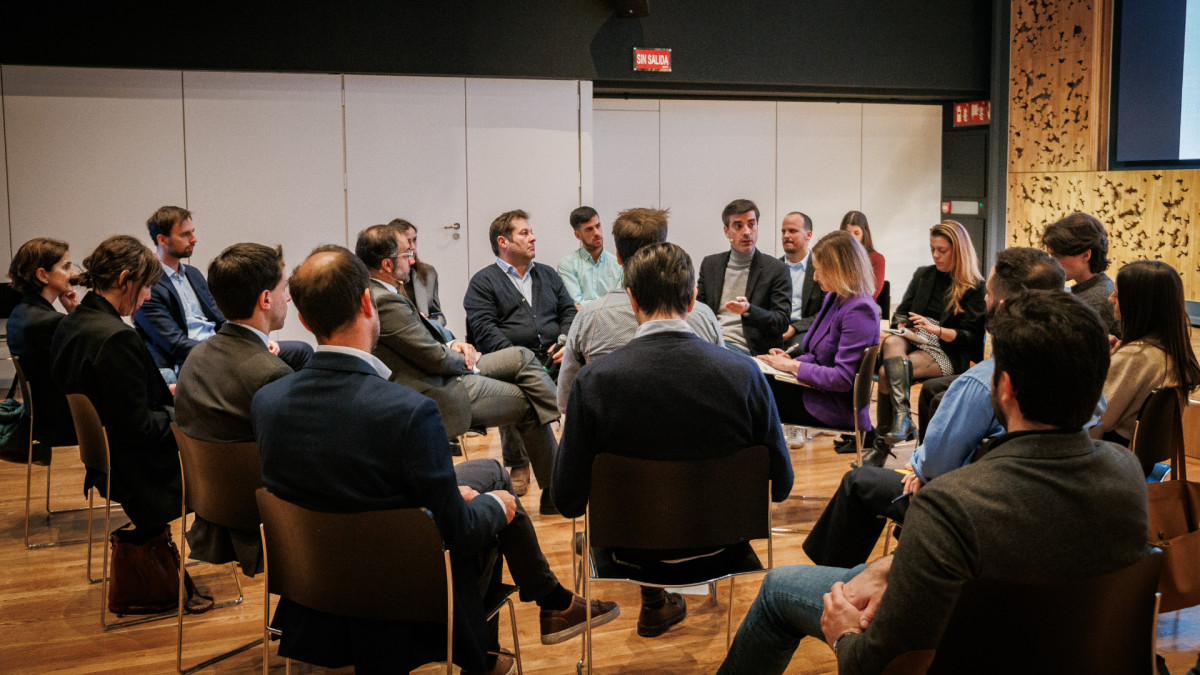
The gathering, organized by Agenda Pública at CaixaForum Madrid, opened a space for sharing doubts and proposals toward a more informed society that is more aware of these challenges. Ruth Pérez Castro, director of communications at Verificat, raised the major challenge of artificial intelligence (AI) and its close relationship with disinformation campaigns. Tools such as deepfakes or montages are not only harder to verify now, but they are also easier to create and share. On this topic, Javier Lorenzo clarified that, according to report data, the public is increasingly unsure about which news is false and which is real, often confusing the two.
Antonio Pulido, head of Social and Cultural Impact at the Cibervoluntarios Foundation, and Sofia Tirado Sarti, researcher at the Real Instituto Elcano, highlighted the social dimension and the profiles and sectors most affected by misinformation. Some conclusions from the report —for example, no gender variations but variations by income— were complemented by Pablo Simón’s call for approaching disinformation from more disciplines, such as psychology: “This is about putting people not in front of a ballot box, but on a couch”, he insisted.
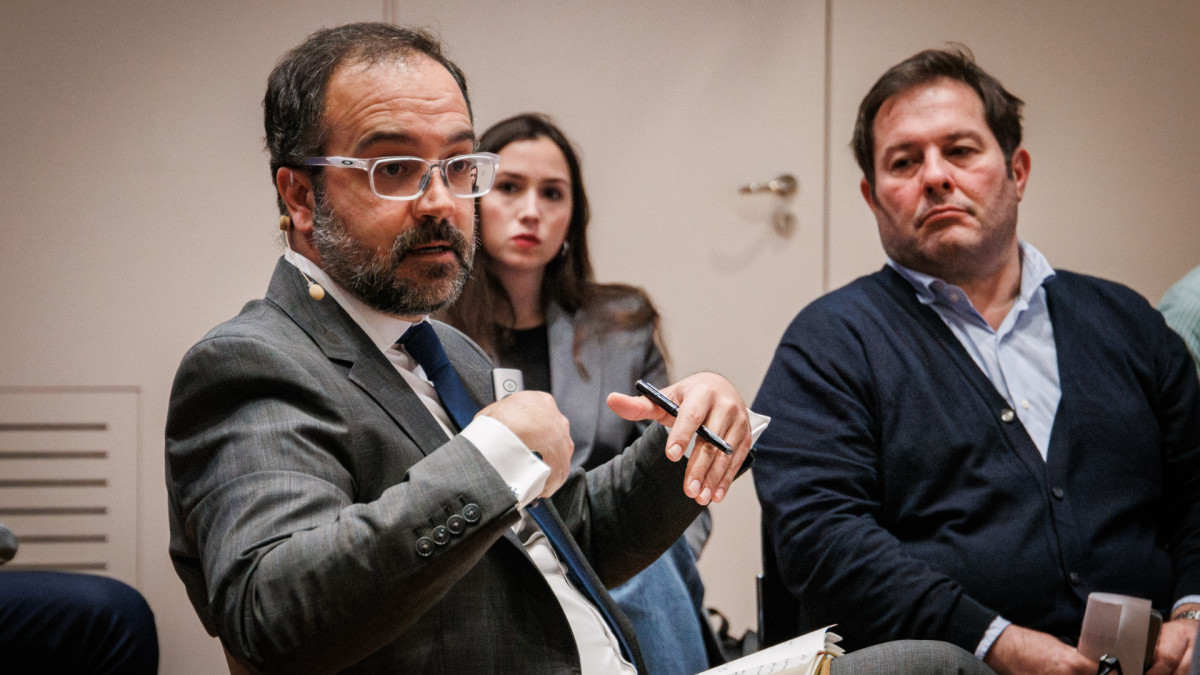
Antonio Legaz, expert in cyber defense and a contributor to Agenda Pública, closed the debate by underscoring a central idea: institutions and fact-checking organizations tend to be one step behind. This diagnosis aligns with the research results, which point to action concentrated in later stages —such as verification— but with little intervention at the early moments when narratives begin to form and consolidate, a gap that gatherings like this, with highly qualified participants, help begin to address.
Previous Next
