
I’ve long been fascinated by the classics: Greece and Rome transformed the Mediterranean into the heart of civilization, and when they landed in Emporiae, they left a lasting mark on our lands. It must be this bond with classical harmony and practicality, and with our Mare Nostrum, that leads me to think that a continuous territory, with disparate national identities but shared human, economic and social interests—like the one that unites Algeciras with Portbou, El Pertús and Europe—must be well connected.
By the late 20th century the Mediterranean Corridor was a topic in many conversations among public and private actors in Catalonia. In a time when Twitter (and later X) did not yet exist and the narrative of the media agenda was shaped exclusively by traditional outlets, the corridor was a shared concern that slipped into the central conversation of Catalan politics. In the pre-Twitter era the corridor was already trending topic. Catalan nationalists understood it as a strategic infrastructure for the competitiveness of the Catalan economy and did not hesitate to frame it as yet another example of the grievance of the central government toward Catalonia. And from being a trending topic in Catalonia it became so across Spain. The català emprenyat referred to by President Montilla in 2009 put Rodalies and the Statute crisis on the same list, but it also captured the dismay of many citizens who could not understand why something as obvious as the corridor was not being developed. And the trending topic persisted.
“It remains the subject of advocacy by academics, (some) politicians, entrepreneurs and citizens who cannot believe the systemic delay.”
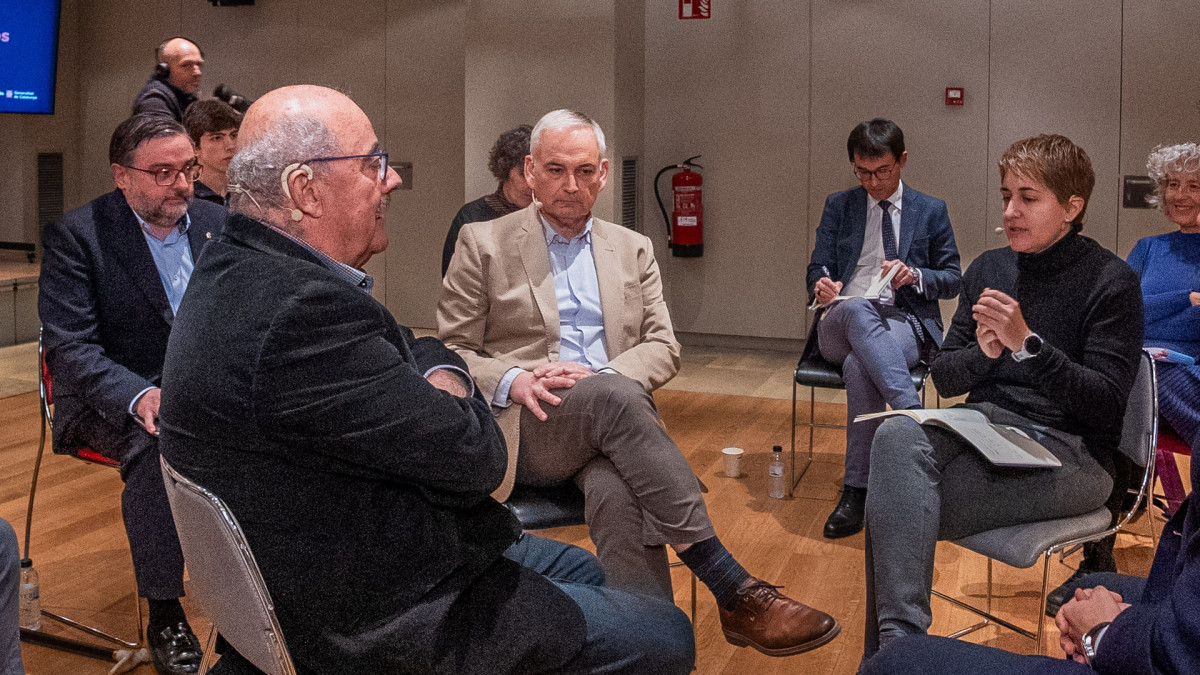
The conversation between our two infrastructure experts is a luxury. Not only for their vast knowledge of the current situation, but because they retain the historical memory, bring their international perspective, and know well the problems associated with each phase of building the infrastructure. But above all, because they have joined forces to make things happen. Regarding the move to public management by Josep Vicent Boira, I ask what the experience is like of putting research, dissemination and the classroom on the back burner to dive headlong into marathon negotiations and endless conversations with technicians and officials from the ministry, the autonomous communities and European institutions. He responds with conviction that he is exactly where he believes he should be and that 2027 is the year of the “acid test.” If things go as planned, the track-width connection will have been achieved and the largest element of isolation that Spain still has with Europe will have been erased from the map.
