
Meanwhile, Trump asserts that Venezuelans are “dancing in the streets.”
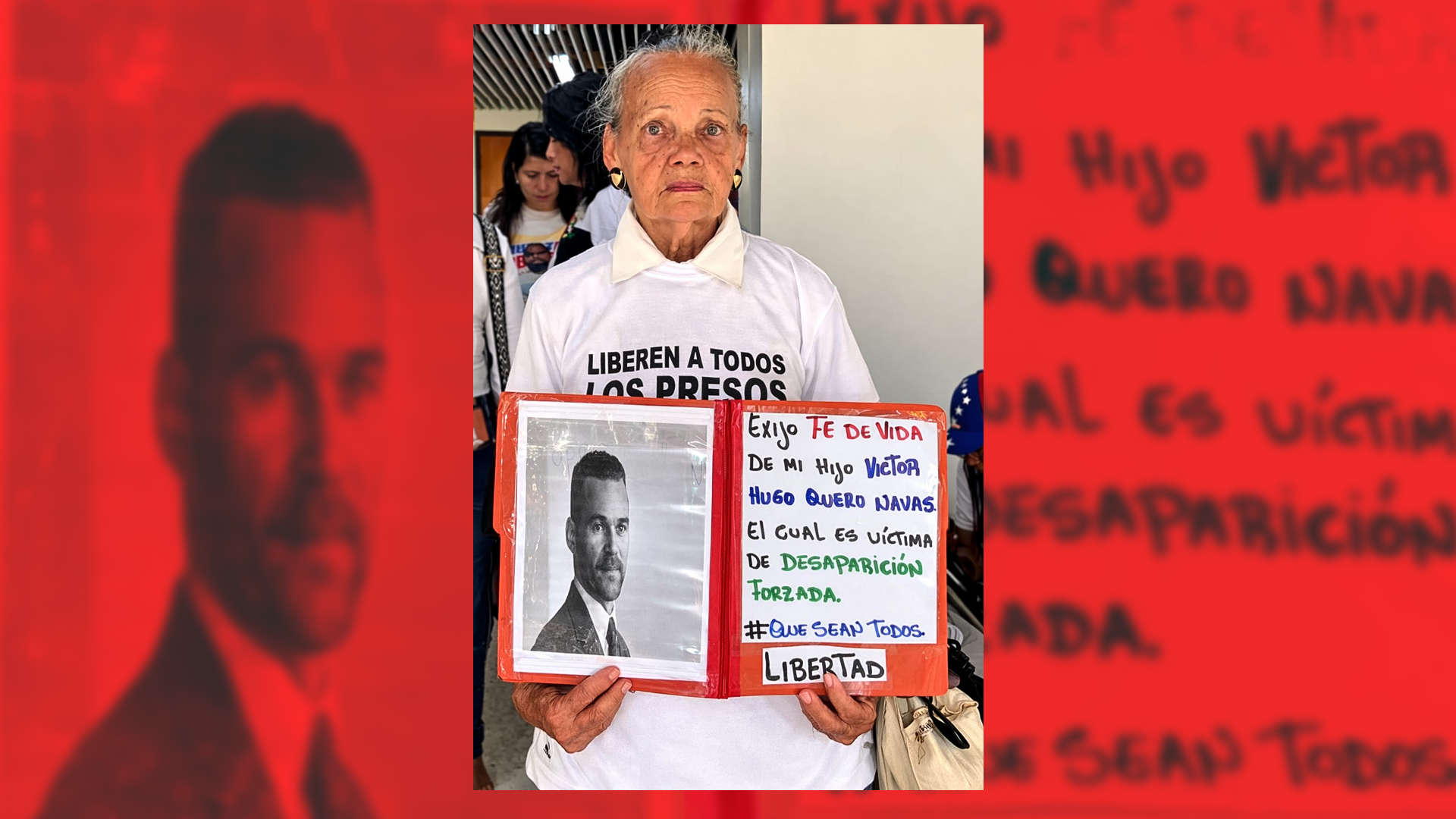
Carmen Navas spent twelve months crisscrossing detention facilities in her search for her son Víctor Hugo Quero Navas, who had been arrested the previous year by Venezuela’s military intelligence service. She filed petitions and pressed for proof that he was alive, but prison officials kept stalling. This week, the regime led by Venezuelan dictator Delcy Rodríguez finally acknowledged that Víctor had died ten months earlier. He was 51.
Víctor was a karate instructor and a street vendor who sold jeans and nutritional supplements, supporting his mother with his modest earnings. He earned the nickname “the Russian” because of his blond hair and light eyes.
In January 2025, plainclothes intelligence agents detained him, reportedly due to his prior service in the Venezuelan military. He was charged with treason, conspiracy, and terrorism, accusations that Venezuelan prosecutors frequently use against political dissidents.
Víctor was sent to El Rodeo I, a prison outside Caracas, yet his family did not know his whereabouts. A month after his arrest, he was taken to the prison infirmary after vomiting blood. His fellow inmates never saw him again.
In October 2025, the regime finally informed Carmen that her son remained in custody at El Rodeo I. After learning his location, Carmen visited the prison at least a dozen times, hoping for contact with Víctor. During one visit, intelligence agents questioned her for more than six hours. On another occasion, a prison official shouted at her: “Why do you keep coming?” according to an account by journalist Víctor Amaya.
When Venezuela’s prison ministry ultimately admitted that Víctor died on July 25, 2025, the cause of death was listed as respiratory failure. Officials also claimed that he had not named any relatives and that no family members had formally requested a visit.
After his death was announced, prison staff buried his body in a marked grave, and investigators say they plan to exhume the remains to confirm the cause of death, though their findings are unlikely to be credible.
“The investigation cannot remain under the control of those responsible for the victim’s custody,” Martha Tineo, director of the Venezuela-based human rights organization Justicia, Encuentro y Perdón, tells Reason. “Especially when there are elements that undermine the transparency and credibility of the official account.”
While President Donald Trump said this week that Venezuelans were “dancing in the streets because they have a lot of money coming in,” repression has continued from the interim authorities. Human rights groups estimate that 27 political prisoners have died in state custody over the past decade.
Minutes after the regime acknowledged Víctor’s death, the U.S. Embassy in Venezuela posted on X about meetings on the business climate for energy-sector investment. Despite Delcy Rodríguez’s promises of amnesty, 454 political prisoners remain behind bars according to Foro Penal, a human rights watchdog group.
