
That defense applies only when a law enforcement officer reasonably believed his actions fell within his federal powers.
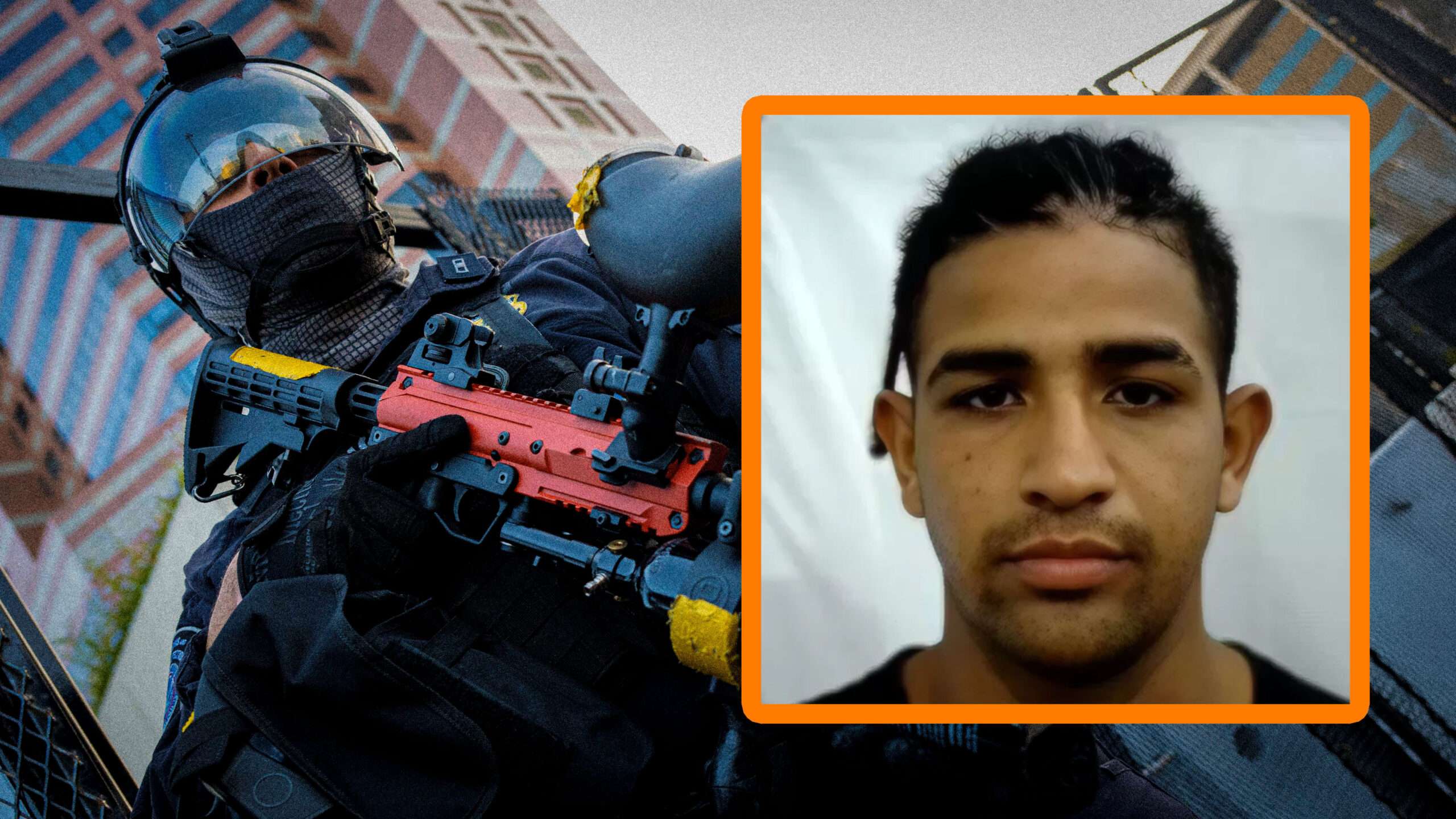
The day after ICE agent Christian Castro shot Minneapolis resident Julio Cesar Sosa-Celis in the leg, Kristi Noem, then the secretary of homeland security, described the use of force as a clearly justified response to “an attempted murder.” She asserted that Sosa-Celis and two other Venezuelans had “ambushed and attacked” Castro, “beat[ing] him with snow shovels and the handles of brooms.”
Although the Department of Homeland Security has not retracted that account of the January 14 incident, federal prosecutors later admitted it was not true. The fallout from that lie continued on Monday, when Hennepin County Attorney Mary Moriarty announced criminal charges against Castro, initiating a case that will test the ability of state prosecutors to hold federal law enforcement officers accountable for violent misconduct.
A month after Noem portrayed Sosa-Celis as a would-be murderer, Daniel N. Rosen, the U.S. attorney for Minnesota, asked a federal judge to dismiss charges against him and Alfredo Alejandro Aljorna, another alleged assailant. Rosen said “newly discovered evidence” was “materially inconsistent” with those allegations.
That evidence, according to Todd Lyons, then the acting ICE director, indicated that Castro and another agent had made “untruthful statements.” Lyons said the U.S. Attorney’s Office was “actively investigating these false statements,” adding that “lying under oath is a serious federal offense.”
At a press conference on Monday, which was the first time Castro was publicly identified as the agent who shot Sosa-Celis, Moriarty said he and Aljorna “were both here lawfully.” But ICE tried to stop Aljorna, who was delivering food for DoorDash, after confusing him with another man.
Aljorna drove back toward the duplex apartment he shared with Sosa-Celis, their partners, and two young children. After a brief car chase, Aljorna hit a light pole, exited his vehicle, and ran toward his home, where Sosa-Celis was standing on the porch. Aljorna slipped and fell, at which point Castro pounced on him.
During the ensuing struggle, which lasted about 12 seconds, Castro “was not hit by a shovel or a broom,” Moriarty said. “In fact, he was not hit at all.” And after Aljorna and Sosa-Celis escaped into their home, she added, they “presented absolutely no threat to him or anyone else.”
Castro nevertheless fired a round through the front door, striking Sosa-Celis and endangering the other residents. Castro “was not under any physical threat when he fired his weapon, or even beforehand,” Moriarty said, explaining her decision to charge him with four counts of second-degree assault and one count of falsely reporting a crime.
Can Moriarty do that? No, according to Vice President J.D. Vance, who says “a federal law enforcement official engaging in federal law enforcement action” has “absolute immunity” from state prosecution.
As a Yale Law School graduate, Vance should know better. There is in fact a long history of state charges against federal officials. And while federal courts have blocked some of those prosecutions as unjustified interference with U.S. law enforcement, they have allowed others to proceed.
In 1906, for example, the Supreme Court greenlit a state murder case against two soldiers who had allegedly killed a suspected copper thief at a federal arsenal in Pennsylvania after he surrendered. A century later, the U.S. Court of Appeals for the 9th Circuit tentatively approved an Idaho prosecution of the FBI sniper who had killed Vicki Weaver at Ruby Ridge in 1992.
Under the law that has emerged from such cases, defendants can invoke “Supremacy Clause immunity,” which applies when they “reasonably” believed their actions were “necessary and proper” to execute their federal duties. If a defendant makes a “colorable claim” to that effect, he can have the case removed to federal court.
If that happened with Castro, Minnesota prosecutors would still be involved, but a federal judge would decide prior to trial whether Castro qualified for immunity. That very process contradicts Vance’s claim that federal officers are automatically shielded from liability when they are accused of committing state crimes.
© Copyright 2026 by Creators Syndicate Inc.
