
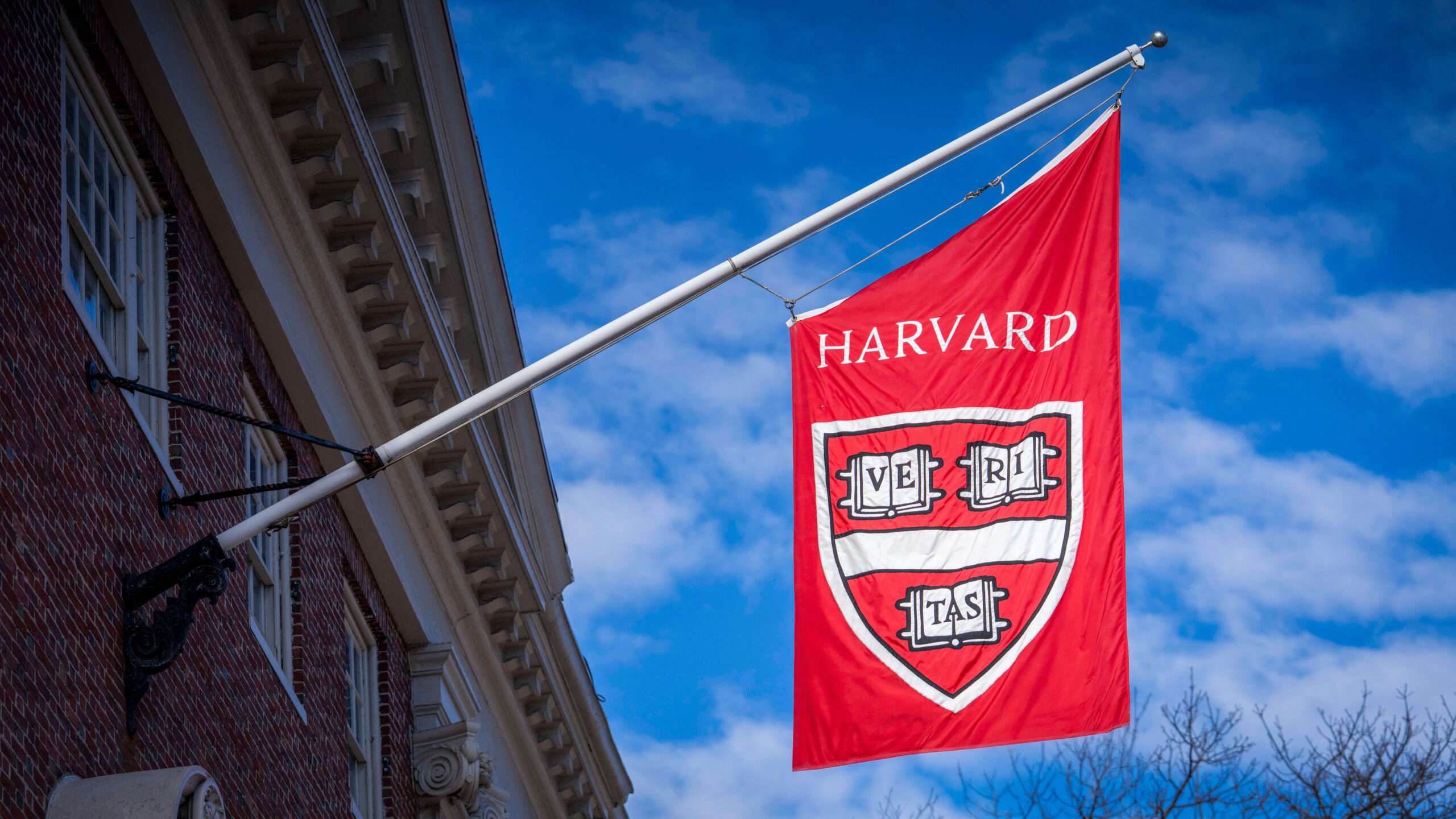
Harvard faculty vote to impose a 20 percent ceiling on A grades in a bid to curb grade inflation
In the 2024–2025 academic year, Harvard’s Office of Undergraduate Education reported that A grades accounted for 60.2 percent of all grades awarded. By comparison, about one quarter of undergraduates received A’s two decades ago, according to The Harvard Crimson.
Harvard students are clearly capable, but should professors hand out so many A’s? The university’s new policy on grade inflation was approved by the faculty in a 458–201 vote to set a 20 percent cap on A grades, effective for the 2027–2028 academic year. The plan, as cited by The Crimson, would also permit instructors to award four additional A’s for courses with sufficient enrollment to justify them.
A 2025 report attributed Harvard’s skewed grading system to several factors, including professors’ reluctance to appear overly demanding in comparison with colleagues and the rising tendency of students to pursue legal action.
The institution also recognized that pressure to inflate grades can originate from within the prestige system itself, noting that instructors were increasingly expected to offer emotional support to students dealing with difficult family circumstances, impostor syndrome, and stress. Consequently, course requirements were relaxed and grades were raised, particularly during the remote-learning period. While many faculty members wanted to reverse that trend, they reportedly worried about whether the administration would back them. Ultimately, the university shifted away from high-stakes exams toward a larger number of lower-stakes assignments, which many professors found hard to evaluate with meaningful differentiation.
Harvard is not alone in facing the challenge of grade inflation. In Yale’s recent study on why Americans have lost trust in higher education, the university acknowledged that inflation in grades contributed to the problem. To restore standard grading norms, the report proposed establishing a mean of 3.0, or another campus-wide standard, so that letter grades can be used consistently again. The report also recommended that Yale transcripts include context showing how a student’s performance compares to the rest of the class, so taking more demanding courses does not unduly penalize students. Ari Shtein, a Reason intern and current Yale student, has suggested that a contextual approach might be a more sensible way to tackle grade inflation than simply enforcing a grading cap.
Princeton tackled the issue early, adopting a grading cap in 2004. The policy was abandoned about a decade later after criticisms that it disadvantaged students in job and graduate-school competition, per the Associated Press. Since then, the problem has resurfaced, with A-minus, A, and A-plus grades constituting 66.7 percent of undergraduate grades in the 2024–2025 academic year.
Addressing grade inflation consistently provokes controversy, understandably among students. When Harvard published its October report on grade inflation, several students told The Crimson that the report misrepresented their academic experience and would add pressure to an already demanding campus environment.
In a statement issued on Wednesday, Amanda Claybaugh, Harvard’s dean of Undergraduate Education, described grade inflation as a complex and thorny issue. She urged other institutions to tackle similar problems with the same level of rigor and courage.
Harvard’s move to curb grade inflation carries a degree of risk, but it is the kind of risk that others may need to take in order to restore meritocracy across higher education. If other institutions continue to hand out A’s freely while others evaluate students more stringently, employers will keep receiving unclear or potentially misleading signals about students’ academic performance. And grades are not only for employers; they help students understand how well they have mastered a subject. If the aim of a university is to seek truth, students deserve honest feedback from their professors, even when that means receiving lower grades.
