
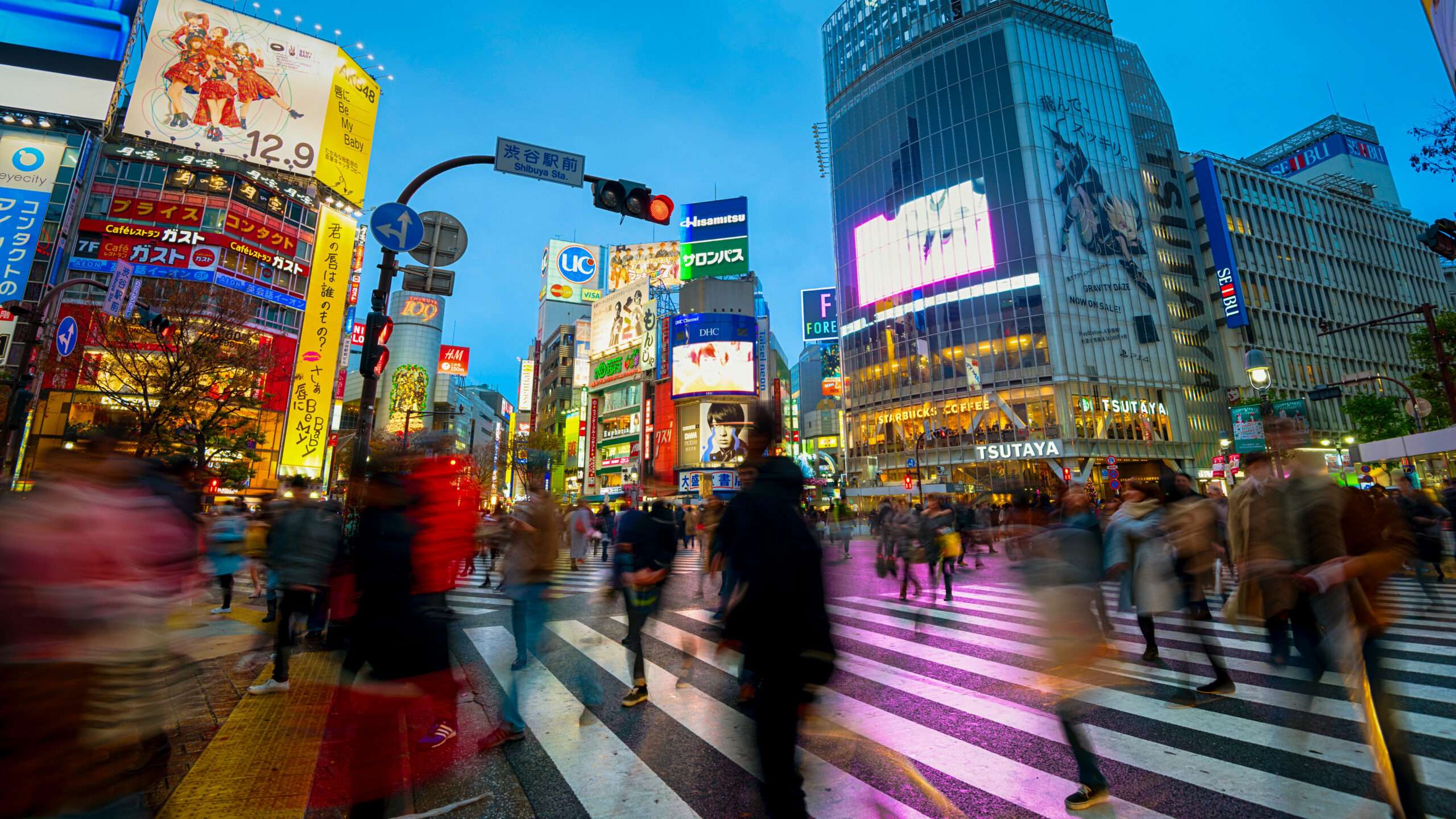
Behind Japan’s economic triumph lies a framework of government and law that clearly elevates social stability and group cohesion above the rights of the individual.
After visiting Japan, many travelers leave marveling at the country’s landscapes, the courtesy of its people, the safety of its streets, the efficiency of its transit networks, and the richness of its cuisine. They also come away with the impression that Japan enjoys a broad latitude for both the economy and personal life. Construction thrives. Enterprises prosper. Goods from across the globe are readily available, and shopping feels almost like a national pastime. Homelessness seems virtually invisible. People move freely around the country.
Yet beneath Japan’s economic vitality lies a system of governance and law that prioritizes social order and collective harmony ahead of personal liberties.
The Japanese Constitution, shaped in the aftermath of World War II, borrows much of its language from the American Bill of Rights. It protects freedom of expression, the press, religious belief, and assembly, as well as trial by jury, property rights, universal voting by secret ballot, and protection against unlawful searches and seizures. It also guarantees equality before the law regardless of “race, creed, sex, social standing, or family origin.” Slavery and torture are prohibited, as are censorship and invasions of privacy. There is a strict separation of church and state. An arrest requires a warrant, except when a crime is in progress. And individuals are not compelled to testify against themselves.
However, the Constitution’s protection of individual rights is not flawless. For instance, it defines marriage as resting on the mutual consent of both partners of opposing sexes. Eminent domain remains permissible. Although homeschooling is gradually gaining ground, education for nine years that is organized and funded by the state remains mandatory. And one particular clause—Article 27—states that “all people shall have the right and the obligation to work,” though how strictly that obligation is enforced in practice remains unclear.
There are laws that sharply restrict personal freedoms, rooted in a widely held desire to sustain a peaceful, cooperative, and safe society. Interactions between people must be peaceful, meaning they should not impose coercive effects on others. Yet it is in Japan’s notion of “peaceful” conduct that the most substantial limits on individual freedom reside.
Group harmony constitutes a central moral imperative in Japan, to such an extent that a popular saying warns that “the nail that sticks out gets hammered down.” What society deems acceptable is more uniform and widely accepted than in the United States. If one’s actions clash with the social consensus, consequences can range from social ostracism to fines or imprisonment. As a foundational social principle, the emphasis on group harmony leads many to tolerate state supervision far beyond what Americans would tolerate.
To explore these tensions, I spoke with five Japanese citizens about a few libertarian concerns: same-sex marriage, drugs, firearms, and police authority. Their responses suggest that, at least among the people I interviewed, certain limitations on individual liberty are accepted, if not valued.
First, same-sex marriage remains illegal, though lawsuits contesting the ban are underway. The younger respondents tended to be more accepting, albeit still weighing the issue against social and familial expectations. Keiko, a 20-year-old law student, offers that “homosexuality has a long history in Japan. I think it’s acceptable. It’s okay to have descendants, but it isn’t mandatory.” For Mariko, a 23-year-old college student, the issue is more practical: “It’s unfortunate that you can’t inherit from the person you love.”
Japan’s drug laws are far harsher. Penalties for use or possession of marijuana or any stronger drug can include prison and hard labor. Even some over-the-counter remedies available in the United States, such as certain analgesics or decongestants, are banned and could lead to expulsion from the country. “There is no place for such poison in our society,” declares Himari, a 40-year-old 3D graphics designer. “I trust the government’s judgment about which substances are safe.” “I hear that marijuana is bad for your health. But tobacco is, too. And secondhand smoke harms others,” adds Mariko.
Gun ownership is treated with similar suspicion. There is no equivalent to the U.S. Second Amendment; civilian possession of handguns is outright prohibited. Rifles and shotguns are permitted for hunting or sport, but obtaining them is exceedingly difficult. Haruto, a 45-year-old café and bar owner, says, “We Japanese see no need for weapons.” Keiko cuts to the point: “No! Dangerous! We are a peace-loving society.”
It is true that Japan experiences virtually no mass shootings. The nation’s homicide rate is markedly lower than in the United States—about 80 percent lower. Yet Chikako, a 63-year-old homemaker, cautions, “Not having guns doesn’t prevent murder. People resort to knives or strangulation.” A recent case illustrates the risk: a mother and daughter were found stabbed to death in their home last month.
On police power, the Constitution guarantees the right to remain silent and to have counsel if one is detained, yet police are not required to halt questioning once those rights are invoked. Current law permits detention for up to 23 days without charges, during which interrogation can continue. Statistics indicate that more than half of these interrogations yield self-incriminating statements or confessions. This dynamic matters even more in a criminal justice system known for conviction rates exceeding 99 percent. In addition, stop-and-frisk practices allow individuals to be searched at any time. Foreigners are particularly vulnerable to these measures, given stringent drug enforcement and the presumption that drugs may be brought in by visitors.
“I don’t like feeling that society is controlling me, but some people do need control,” says Taiga, a 40-year-old employee in the oil industry. “Police sometimes abuse their power, but we can’t be lenient with criminals. And the government believes this kind of police authority is essential.”
In my view, the hallmark of Japanese society is its adherence to the principle of non-interference with others. This public value is so deeply rooted that it is enshrined in the Constitution: “The people’s right to life, liberty and the pursuit of happiness shall, to the extent that it does not interfere with the public welfare, be the supreme consideration in legislation.” That qualification marks the crucial difference between liberty as understood in the United States and in Japan. If society deems an action to undermine “public welfare,” even a supposedly victimless choice can be forbidden. While Japan possesses many commendable traits, its readiness to subordinate individual freedom to collective order prevents it from being a libertarian paradise.
