
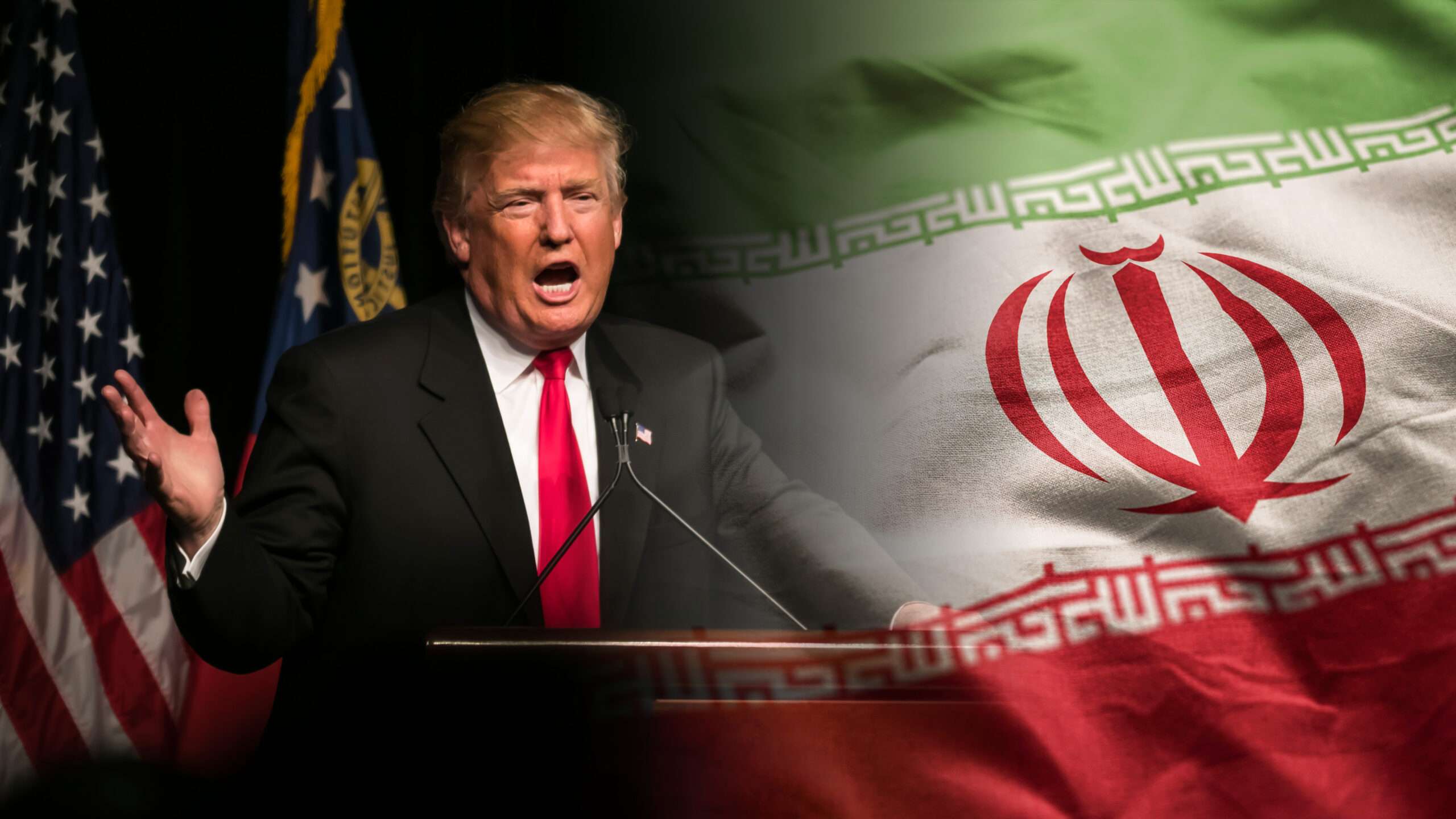
Trump’s failure to obtain the constitutionally mandated congressional authorization for the clash with Iran helped strip the effort of the staying power needed to prevail.

Today, Washington and Tehran disclosed a framework aimed at bringing the fighting to a close. The agreement could also lay groundwork for a halt to hostilities between Israel, Iran, and related partners such as Hezbollah. In plain terms, it does not resemble the “unconditional surrender” that Trump had been touting, nor what backers of the legality and prudence of the war, including co-blogger Steve Calabresi, had anticipated. The expectation that the conflict would produce a regime change—an objective Trump himself pushed early on—has faded away. It now appears the hostilities have yielded little of value beyond what existed before, and perhaps even cost us some critical advantages.
The terms of the new accord, which have not yet been fully disclosed, reportedly include the reopening of the Strait of Hormuz (through which a large portion of the globe’s oil flows) and the termination of the unilateral U.S. blockade of Iran. It is also likely to feature some form of sanctions relief for Iran, along with a pledge by Tehran not to pursue nuclear weapons. Yet the Strait was open prior to the war, and Iran has previously pledged not to seek nuclear weapons—most notably in the JCPOA negotiated during the Obama era, which Trump rejected because it was seen as too favorable to Iran. If the regime could be trusted on these matters, there would have been no necessity for a confrontation in the first place.
Additionally, Richard Hanania, a scholar of international relations who has since shifted to conservative commentary, has argued in a perceptive piece that Iran did win a significant concession in this conflict. They demonstrated they could shut down the Strait of Hormuz, and that the United States lacked either the capability or the will to compel them to reverse course. That is a form of leverage they can deploy in future clashes, and perhaps to deter Washington from acting against them in future episodes as well.
In a Dispatch article written shortly after the war began and in a subsequent post here, I argued that the war was illegal because it lacked the constitutionally required congressional authorization and violated the 1973 War Powers Act. In that Dispatch piece, I warned that this illegality would make success less likely:
This constitutional constraint on presidential power is more than a procedural footnote. Requiring congressional authorization before entering a war exists to ensure that no single individual can drag the country into conflict, and to guarantee broad public backing for large-scale military action—backing that is often essential to sustaining the resolve needed to prevail against formidable adversaries. Trump’s failure to secure that broad public support means only around 27 percent of Americans approve of the action, while roughly 43 percent disapprove, according to a Reuters poll. Other surveys have yielded similar results. Such a historically low level of initial public backing portends trouble for the country’s willingness to endure a protracted or reversing campaign.
This dynamic—weak national resolve arising from tepid public support for the war—has largely materialized. U.S. and Israeli forces achieved some notable tactical feats, but Trump’s inability to marshal sufficient political support doomed the venture from the start, and it only deteriorated as time went on. Once Iran shut the Strait of Hormuz and oil prices spiked, the war’s popularity declined further, pushing Trump toward an easier exit.
Had Trump managed to build enough public support to obtain congressional authorization, the United States would have possessed greater staying power and would not have yielded so readily. Alternatively, if he had pursued that authorization and fallen short, at least the country could have avoided the war and the associated costs and casualties.
As I noted in the Dispatch article, I am not opposed to military intervention in every instance, and I would not object to the prospect of regime change in Iran. Yet, as the saying goes, “war is a contest of wills.” The constitutional prerequisite of congressional authorization acts as a safeguard to prevent engaging in a major war without a commitment strong enough to win. When a president forgets this principle and flouts the Constitution, he not only acts illegally but also amplifies the odds of defeat.
