
Hawks misunderstand diplomacy: concessions from both sides, with gains for each
The United States has grown accustomed to certain patterns for finishing wars. At times, American forces compel an adversary to capitulate, install a new political arrangement, and ensure its durability, as occurred in Germany and Japan after World War II or in Panama during the 1990s. In other episodes, insurgents erode American manpower and stamina until they effectively force U.S. troops out, such as in Vietnam in 1975 or Afghanistan in 2021.
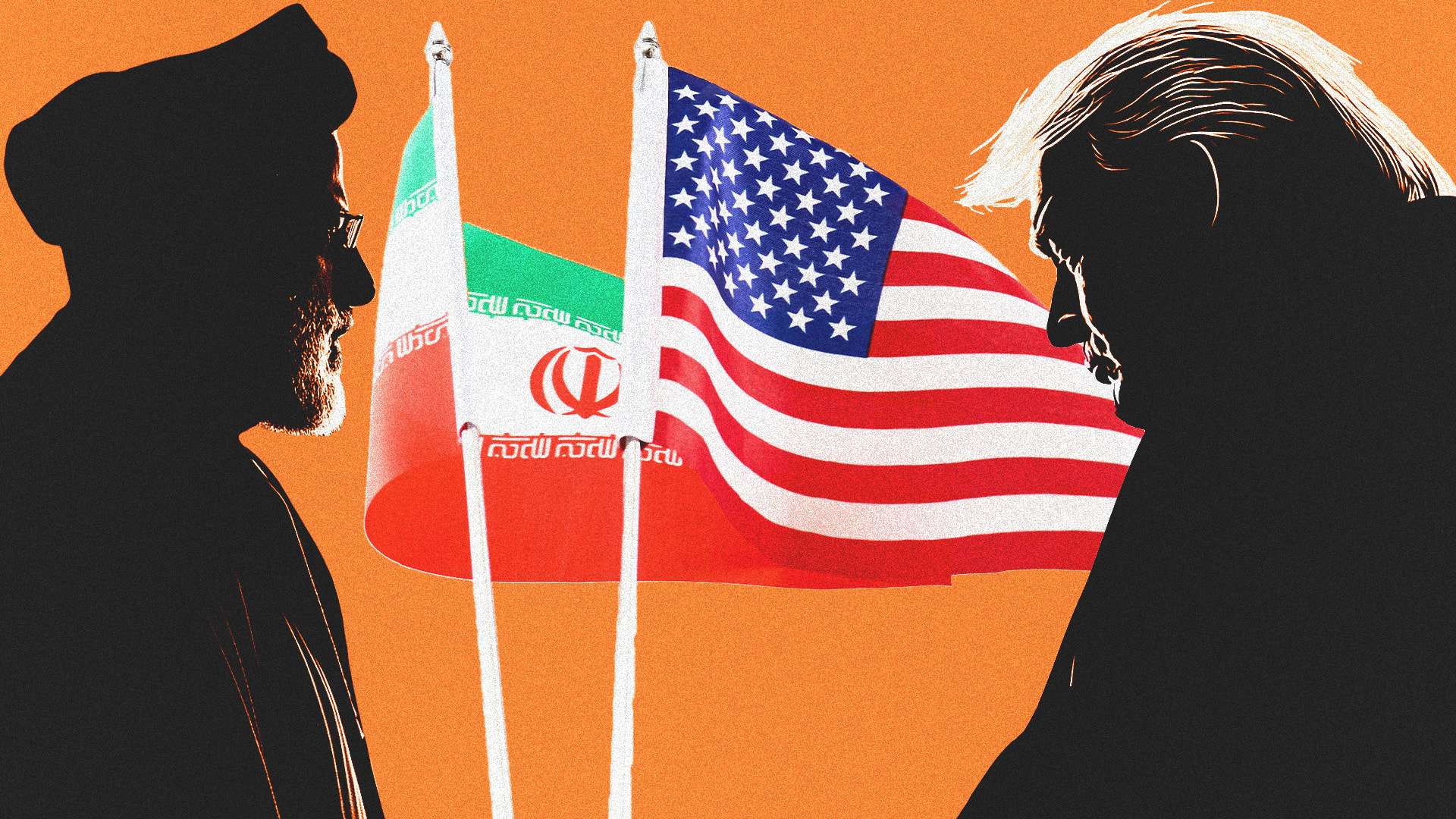
Yet the confrontation with Iran is concluding through a method unusual for Washington: compromise. Neither side could prevail in the initial phase, and faced with the prospect of a ruinously expensive escalation, negotiations began. Although a definitive agreement remains out of reach, the ceasefire memorandum obligates both parties to concede some ground, with Washington pledging to lift sanctions if Tehran curtails its nuclear ambitions.
Many in Washington react unfavorably, with members from both parties branding the arrangement a mistake or even capitulation. Debating particular provisions of the truce is one matter; promising too much while asking for too little at the outset is another. Yet certain criticisms would fit any bilateral settlement with a former foe. To hawks, not forcing surrender from the enemy amounts to a kind of surrender by the United States itself. In short, hawks appear to have forgotten the arts of making peace.
Conservative commentator Mark Levin argues that the memorandum errs by attempting to motivate “7th century Islamist militants” with monetary incentives and warns that by halting hostilities short of Iranian surrender, the West is being overcome. Others maintain that any agreement should not confer advantages on Tehran, regardless of what concessions Iran makes. Senator Josh Hawley contends that a deal must not provide Iran with funds, labeling Tehran as unreliable actors.
In a Russian idiom, this mindset is недоговороспособность, or “inability to reach a deal.” A party incapable of bargaining treats diplomacy solely as a tool to delay, mislead, and destabilize adversaries. (Levin, for instance, proposed exploiting these talks as a pause to renew hostilities after the U.S. midterm elections.) A diplomacy-averse mindset cannot envision negotiations yielding a settlement that benefits both sides.
Indeed, this outlook is embedded in U.S. policy. Mark Dubowitz, head of the neoconservative Foundation for Defense of Democracies, has openly boasted about helping construct a “sanctions wall” meant to block any agreement. He urged the early Trump administration to layer economic sanctions on Iran under a range of pretexts—from nuclear concerns to human rights—so that any future administration could not reestablish trade without addressing all those concerns.
Let it be clear that relief from sanctions imposes no direct cost on American taxpayers, and some of it would serve U.S. business interests. For instance, Washington would promptly authorize Iran to allocate up to $6 billion of its oil revenue toward purchasing American farm goods, per the Financial Times.
Yet hawks fear losing leverage. Former Representative Tom Malinowski warned that Iran would gain sanctions relief on human rights abusers and terror sponsors, with no Iranian concessions in return. The sanctions wall, a project championed by Dubowitz, succeeded in its purpose; achieving ordinary economic ties with Iran would force President Trump into a domestic political battle over sensitive topics such as human rights and terrorism.
There are significant objections to the memorandum. Its provisions for the nuclear concessions needed to unlock complete sanctions relief are not clearly defined. Vice President J.D. Vance has hinted at unwritten “gentlemen’s agreements,” which is hardly reassuring. Although the document obliges Iran to cease provocations against shipping in the Strait of Hormuz in the near term, control over the strait’s governance remains a matter for future negotiations.
Assessing the pros and cons of any deal must also weigh them against the potential outcomes of alternative paths. In truth, pursuing those alternatives was what granted Tehran its initial leverage. Trump set out on the path hawks favored—threatening air strikes, pressing for regime change, and vowing that no deal would exist unless Iran surrendered unconditionally. The conflict did not topple Tehran, but it enabled Iran to disrupt shipments through the Hormuz Strait, effectively holding the global oil market hostage.
Trump looked for a no-cost escalation but found none. A ground strike to seize Iran’s leverage—its enriched uranium and its export terminal—would risk heavy American casualties. Expanding the air campaign to target vital Iranian facilities would invite Tehran to retaliate against nearby oil-producing states. Attempting to move ships through the strait during a ceasefire invited nearly nightly naval clashes.
Even preserving the current situation was draining global oil stocks at a worrying pace, threatening swift price increases or shortages by early July, as warned by industry leaders. Trump ultimately judged the agreement to be the least harmful choice. That judgment is debatable, of course. Still, the hawkish rhetoric is largely designed to stifle discussion with appeals to surrender to malevolence and lost honor.
The Afghanistan withdrawal—which, unlike the Iran impasse, ended in a clear U.S. capitulation—serves as a warning. After removing the Taliban from power in 2001, the Bush administration proclaimed it would not negotiate over surrenders and rejected plans to fold Taliban allies into the emerging government.
After nearly twenty years of civil conflict, the Taliban had grown powerful enough that both Trump and Biden concluded Afghanistan was unwinnable. Trump brokered a structured exit that Biden carried through, yet chaos ensued as the Taliban seized Kabul while American troops remained deployed in August 2021.
Likewise, the Bush era rejected a comprehensive agreement with Iran in 2002 that would cover its nuclear program and backing for Hamas and Hezbollah. Tehran sought sanctions relief and assurances of noninterference in U.S. affairs. A quarter-century and two wars on, the Trump administration is receiving less than what Iran proposed in 2002 for the same concession. Unlike in Afghanistan, Washington is at least obtaining some concession from Iran.
Again, the talk of capitulation and humiliation is not a genuine assessment of that deal’s merits or the possibility of a stronger arrangement. It serves to block any agreement from taking shape. Ironically, that approach has already produced a real surrender in at least one instance.
