
Labour leadership contest poised to swap one disliked big-government premier for another
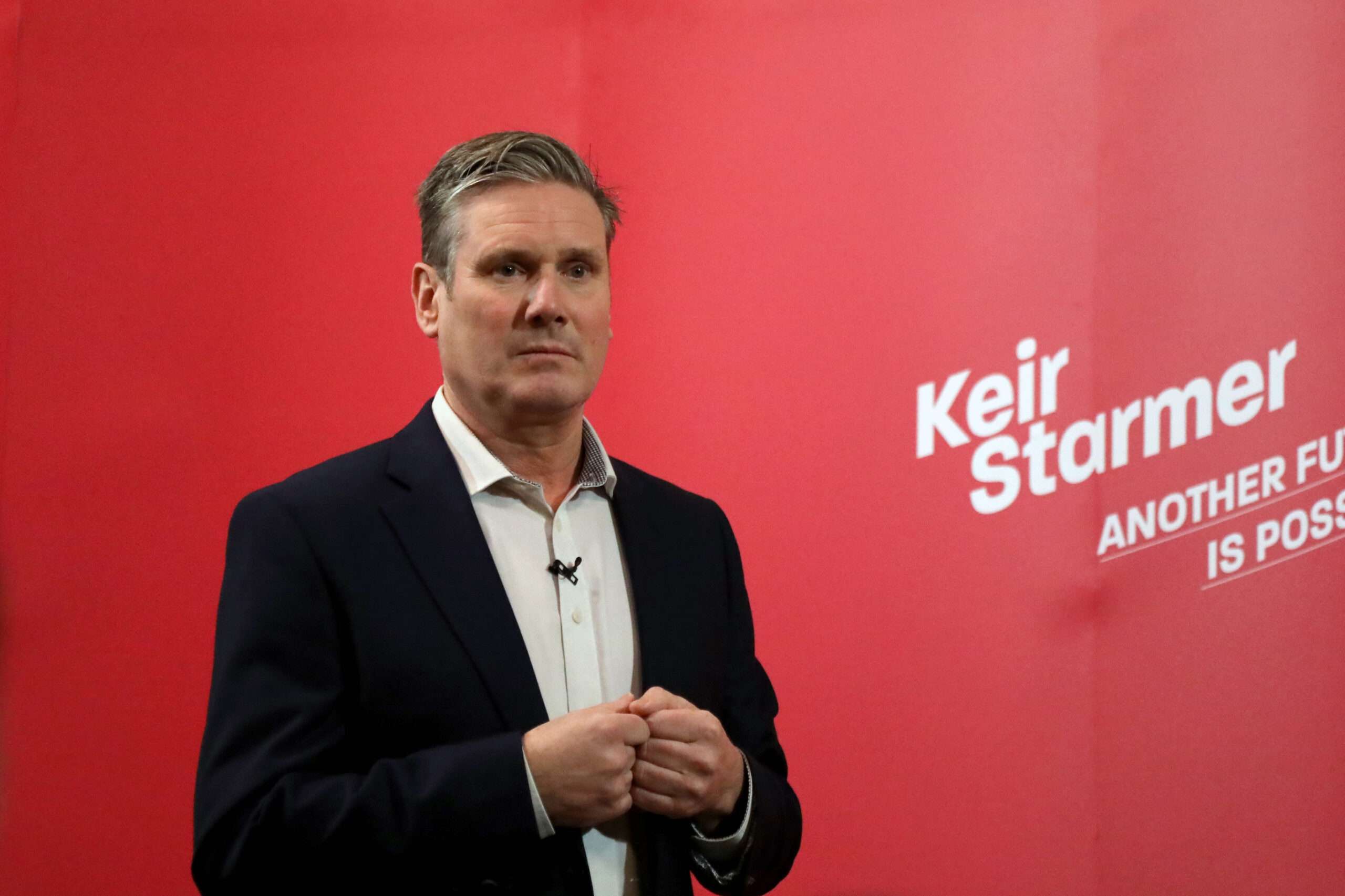
After less than two years in office, British Prime Minister Keir Starmer has stepped down. In a morning briefing, he explained that the question facing his party was whether he remained the best person to guide them to the next general election, and he said he had accepted the parliamentary party’s verdict with good grace. He noted that every decision he had taken aimed to prioritise the country he loves, which is why he would resign as leader of the Labour Party.
Starmer indicated he had spoken with the King to inform him of his decision and would ask the National Executive Committee, Labour’s governing body, to lay out a timetable for the leadership contest. Nominations are to open on July 9, and if more than one candidate puts themselves forward, the winner will be selected by the summer break. Starmer will remain prime minister until the leadership process is complete.
The move came after more than half a dozen cabinet ministers privately urged him to leave Downing Street, and amid weekend chatter that he was weighing the decision with his wife at the Chequers country residence. On Thursday, Andy Burnham, the former mayor of Greater Manchester and the strong favourite to succeed Starmer, secured the Makerfield seat in Parliament. He won 55 percent of the vote there and said in his victory address that voters had issued a mandate for change. An Ipsos poll subsequently indicated that Burnham was the public’s preferred option to take over from Starmer.
Starmer’s stepping-down did not come as a great surprise to many observers. The preceding months had been chaotic for the British government, and Starmer himself has never enjoyed broad popularity with the public. Labour’s 2024 victory was driven more by a desire to oust the Conservatives than by widespread enthusiasm for Labour leadership. Since taking office, Starmer presided over a deteriorating economic picture: youth unemployment has climbed, with NEETs—young people aged 16–24 not in work, education or training—rising to about 13.5 percent, more than a million youths, in the first quarter of this year. Overall, around 25 percent of working-age people are out of work, and those who do have jobs face the prospect of the highest tax burden in Britain’s history. If Britain were to join the United States as its 51st state, it would rank as the poorest of them all.
As the economy faltered, the Starmer government was drawn into controversies, including the appointment of Peter Mandelson as U.S. Ambassador and his ties to Jeffrey Epstein. The perception of cash-for-access intensified in 2024 when Labour donor Lord Waheed Ali received a Downing Street pass, and reports suggested Starmer had received more gifts than any other MP. Immigration remains the most important issue for the public, according to an Ipsos poll, helping to fuel support for Reform U.K.
These episodes, together with public disapproval of Labour’s immigration stance, contributed to a wave of local-election gains for Nigel Farage’s Reform U.K. in May. The party captured 1,455 council seats across England, 17 seats in the Scottish Parliament, and 34 seats in the Welsh Parliament. Labour suffered its worst local-election result on record.
A sequence of resignations in the Cabinet followed, including Health Secretary Wes Streeting and Safeguarding Minister Jess Phillips. By May, nearly 100 Labour MPs had called for Starmer to step down.
To lead Labour and, by extension, become prime minister, a candidate must secure backing from at least 20 percent of Labour MPs. After that, the leadership will be decided by a one-member-one-vote process in which party members, affiliated trade unionists, and registered supporters all carry equal weight. Several Labour figures are eyeing the top job, and most are seen as inclined to push the state’s size even larger.
Burnham, now the public favourite, has carved out a reputation for promoting “business-friendly socialism” and the nationalisation of essential services. He is seen as influenced by Miatta Fahnbulleh, the former chief executive of the New Economics Foundation (NEF). A recent New Statesman profile described “Fahnbullehism” as a cooperative-inspired worldview that argues markets alone cannot deliver fair prosperity without a much stronger role for state direction. While at NEF, Fahnbulleh’s circle backed ideas such as a guaranteed minimum income, steeper taxes on wealth and investment income, tighter regulation of consumer credit, and expanded public ownership and state-backed investment. Lately, Fahnbulleh has praised Burnham’s emerging “Manchesterism” agenda, which advocates greater public control over housing, energy, water, and transport.
But Burnham isn’t the sole Labour figure aiming for No. 10. Wes Streeting, the former health secretary, has already launched a leadership bid, telling reporters in May that Labour needed a robust contest with the strongest possible candidates. Streeting asserted he would run and, in the wake of the 2024 general election, acknowledged the NHS as having structural problems and promised bold reform. Critics, however, argue his record as health secretary largely involved more public spending rather than fundamental change.
Angela Rayner, a former deputy prime minister, is also tipped as a potential challenger. She has been associated with stringent labour-market regulation and is a familiar presence at various social venues and with a vape in hand, though she has recently stepped back. Rayner was briefly forced to resign over tax matters before being reassigned to a junior ministerial role.
Ed Miliband, the energy secretary who has championed net-zero policies and supported a ban on North Sea fracking, has grown more popular within Labour and could also run. Miliband previously led Labour into the 2015 general election, where the party suffered a crushing defeat at the hands of David Cameron’s Conservatives.
As pressure from the rising Green Party mounts, whoever leads Labour will likely tilt leftwards. For voters hoping Starmer’s resignation marks a retreat from higher taxes, tougher regulation, and an expanded state, the lineup of potential successors offers little cause for optimism.
