
The Government Should Not Permit Established Interests to Dominate Language
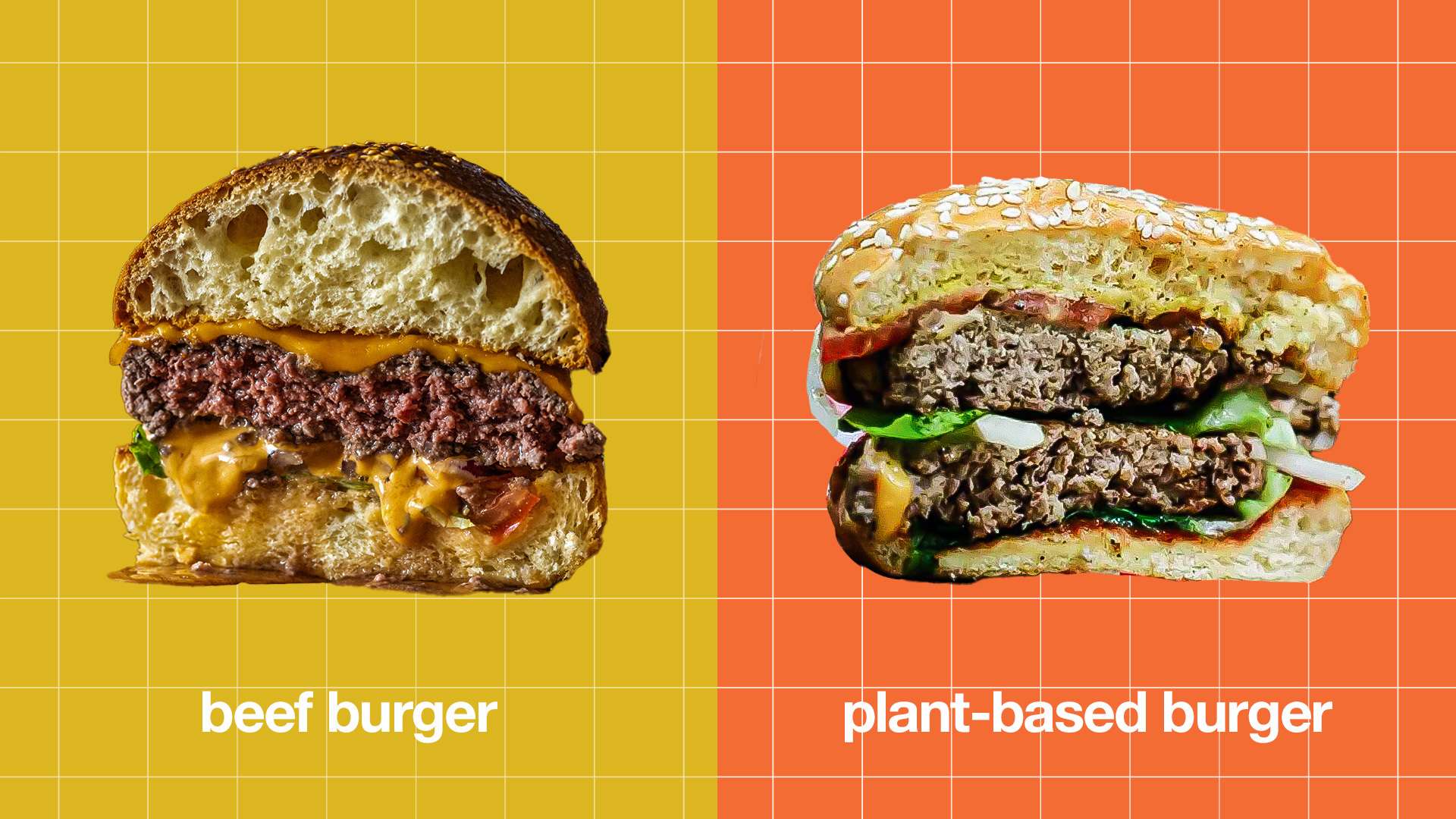
Critics of the growing plant-based meat sector argue that unless a burger carries a heartbeat, it should not carry the label “meat.”
Even as laws at the state level—backed by cattle ranchers—are being struck down in courts, lawmakers at the federal level and their counterparts in Europe are weighing proposals to ensure that “meat” remains a term reserved for foods produced from animals that were once alive. As Florida legislator Dean Black (R–Nassau), a cattle rancher, remarked, plant-based, animal-free meat “is not meat… it is crafted by man, whereas real meat is created by God Himself.”
There are countless historical examples of established firms appealing to government for protection when a new technology disrupts their markets. This is protectionism wearing the mask of consumer protection. Phrases like “plant-based burger” or “vegan sausage” don’t obscure the core issue. They plainly tell consumers what they’re buying. The deeper question remains whether the government should permit incumbent industries to monopolize ordinary vocabulary.
When Ice Was ‘Artificial’
More than a century ago, another entrenched industry sought to defend its stake by arguing that a new technology could imitate nature but would never deserve nature’s own name. The product in question was ice.
America’s profitable natural-ice trade faced disruption from a cheaper, cleaner, more dependable competitor: manufactured ice, which some insisted on calling artificial ice.
The incumbent industry pushed back with a narrative that sounds strikingly familiar today: the new product was merely an imitation, an artificial creation masquerading as something drawn from nature.
So far, the industry even established the Natural Ice Association of America. At the association’s second annual gathering in 1910, its president proclaimed: “It is long overdue that we defend our rights and advertise nationwide that we stand for what is wholesome and pure, namely natural ice… Man can imitate God, but he cannot improve upon Him. Man can imitate Nature and make ice, but he cannot surpass the works of Nature.”
The anxiety soon extended beyond ice itself to the refrigerated foods that relied on the new technology, which were mocked as unnatural and unsafe. Natural ice producers even linked artificially cooled foods to cholera and cancer, a view held by many public health authorities at the time.
To demonstrate that refrigerated foods could be safe, the budding artificial-cooling industry hosted a 1911 banquet in Chicago consisting entirely of refrigerated dishes. Historian Nicola Twilley notes that the first-of-its-kind feast received extensive coverage and mockery; one Chicago newspaper previewed it under the headline “To Dine on Embalmed Food.” Meanwhile, the Journal of the American Medical Association had already warned that cold storage posed public health challenges, including “well-known abuses.”
Of course, the campaign against human-made ice eventually faded. Today, no one opens a freezer and questions whether the cubes are “real ice.” The source changed, but the name endured.
Had the natural-ice industry succeeded in persuading lawmakers to reserve the word “ice” for frozen water drawn from ponds, consumers would not be protected; competitors would have been.
Are Consumers Actually Confused?
Will a similar fate await foods made from plants and fungi? Already, most people grasp that coconut milk doesn’t come from a cow, and that peanut butter contains no dairy. As plant-based meats advance, many are rated in blind tastings as good as or even superior to their animal-based counterparts. With lower saturated fat, zero cholesterol, and higher fiber, it’s no surprise this sector has grown into a multi-billion-dollar industry.
This is a common pattern in innovation: the experience arrives before the vocabulary catches up. New technologies typically borrow terminology from what they replace before developing their own established identity.
In the early days of automobiles, the term “horseless carriages” was used; today, people no longer regard cars as “fake carriages,” just as digital photographs are not considered “fake photographs.” Reading a book without paper would have seemed odd to earlier generations, yet no one believes they are reading a “fake book” when enjoying a Kindle edition. And the pocket supercomputer isn’t an “imitation telephone.”
Plant-based burgers and meatballs are tracing a similar arc. For millennia, the act of eating meat required slaughter; now human ingenuity has found ways to deliver much of that same culinary experience without killing.
Of course, labels should be transparent: plant-based meat should clearly state that it is plant-based, just as oat milk specifies its oat origin and does not pretend to come from a cow.
Let the Market Decide
People buy plant-based meats for a variety of reasons—taste, price, health, environmental concerns, animal welfare, or simple curiosity. In any case, they know what they are purchasing. Real confusion arises when established production methods claim ownership of familiar terms while new technologies must rely on descriptors that may be unfamiliar to consumers. A package marked “plant-based meat” isn’t a trick; it’s an honest disclosure. If a label is factual and clear, the government should not ban it merely because a incumbent industry dislikes the comparison.
Ice doesn’t need to originate from a pond. Transportation need not rely on horses. Photographs didn’t have to come from film. Books don’t have to be printed on paper. And meat, increasingly, need not come from a slaughtered animal. All disruptive innovations initially sound deceptive until widespread usage proves otherwise. That’s the essence of progress. The government cannot—and should not—strive to halt such change.
