
Socialism is gaining ground in both of the United States’ major political camps.
As the Democratic Party seems to be drifting under the influence of genuine socialists—some even aligning with communism—one might expect the Republican Party to seize the moment and attack this trend. Yet, Donald Trump’s economic program continues to embrace a number of concessions to socialism, and the most plausible successor to his mantle appears, if anything, to be more left-leaning on economic policy than the president himself.
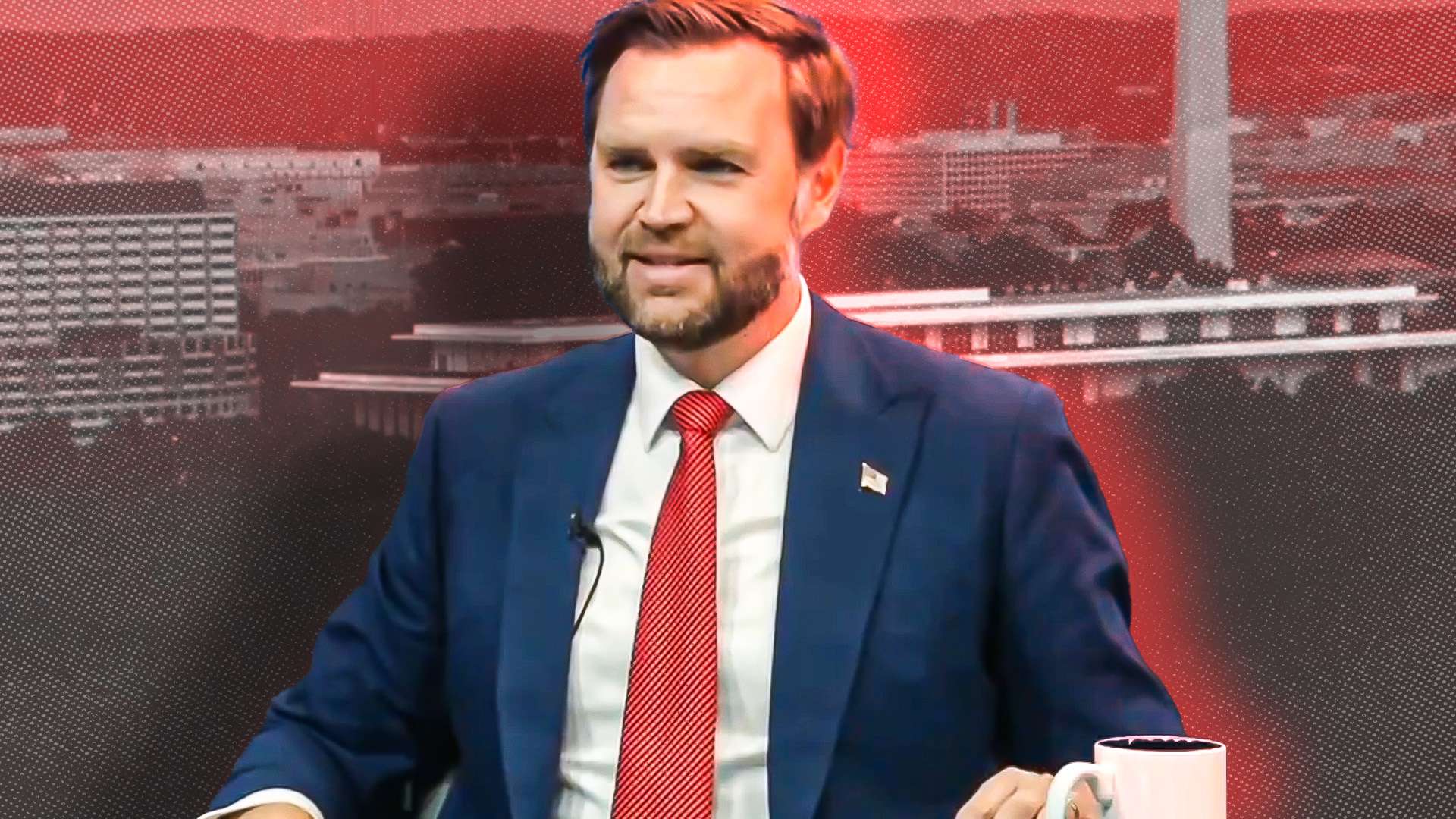
Vice President J.D. Vance consistently emphasizes that his embrace of progressive economic ideas is a deeply held, ideological stance that surpasses Trump’s approach. In a recent interview with Michael Knowles of The Daily Wire, Vance issued pointed critiques of the renowned economist Milton Friedman, whose laissez-faire doctrines guided earlier generations of conservatives to substantial triumphs.
Vance starts by laughing at and defending Trump’s previous notions about appropriating profits from AI firms. It becomes clear that Vance is more committed to this concept than Trump is—despite it aligning with proposals from democratic socialists like Senator Bernie Sanders (I–Vt.). Vance grasps more clearly than Trump that such a proposal clashes with long-standing GOP economic orthodoxy, and that clash is precisely what he finds appealing. He approves of its somewhat socialist edge.
You think I’m being unfair? Vance presses on by advocating the rejection of Friedman, telling Knowles that the Republican Party of the future will relish denouncing his legacy. He expressly states that the party will deliberately eschew Friedman‑style economics in favor of centralized, government‑controlled economic planning. He argues this shift is necessary because: “It’s fundamentally about the dignity of the human person. The economy is a tool to serve the dignity of the human person. If a set of economic policies makes it possible to raise a family, to earn a living wage, to give back to their community, to perhaps attend church on Sunday, or to actually enjoy some leisure time building the kind of life that matters, that is the kind of thing we want to support.”
JD Vance is so frustrating. Here he takes gratuitous shots at Milton Friedman as a bad model for Republican economic thinking.
With Friedman as the guiding light, Ronald Reagan won 49 states and ushered in a decade of unrivaled prosperity. pic.twitter.com/MX2MmY9Qta
— Robby Soave (@robbysoave) July 2, 2026
To frame free markets as somehow opposed to human dignity is a distinctly progressive narrative. The positions of Sanders, Representative Alexandria Ocasio-Cortez (D–N.Y.), and the new cadre of far-left lawmakers likely to join the House next year would not alter that framing much, if at all.
It’s hard not to wonder why Vance believes this pivot to the left serves the party well. Friedman remained the beacon for Ronald Reagan and British Prime Minister Margaret Thatcher, two leaders who championed laissez-faire policies and reaped enormous political gains. Reagan carried 49 states in the 1984 election, and the economy enjoyed vibrant growth. In contrast, voters seem to resist Trump’s quasi-progressive approach to economics: his approval rating on the economy sits around 33 percent.
Rather than signaling a swift correction under a future Vance administration, he promises to push even further left. What could possibly go wrong?
This Week in Free Media
I spoke with Amber Duke about the Supreme Court’s decision in the birthright citizenship case.
I also argued the case in a debate with NewsNation‘s Batya Ungar-Sargon on the same topic.
Recommended Viewing
The latest installment of House of the Dragon was quite strong, even though I take issue with several minor tweaks along the way, including the oddly assertive choice to have Alicent noticeably involved in Rhaenyra’s bid for power. I’m also irritated that they’re still trying to cast Rhaenyra as a heroic figure. Could we perhaps let her be a mad queen already?
