
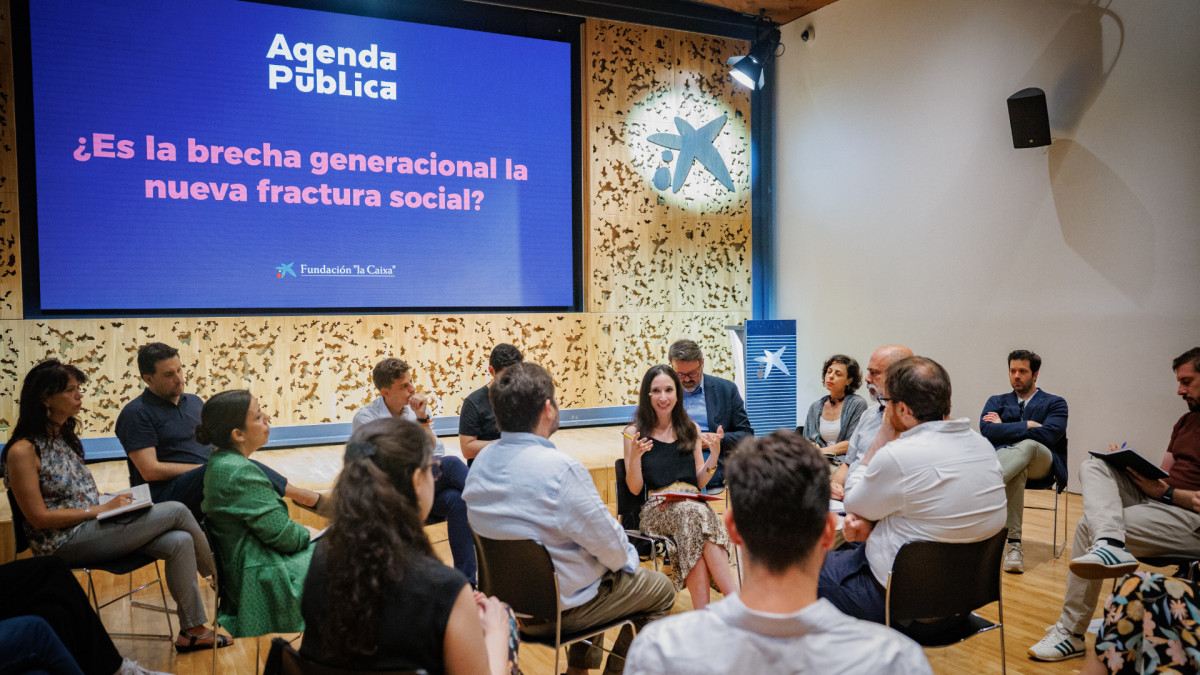
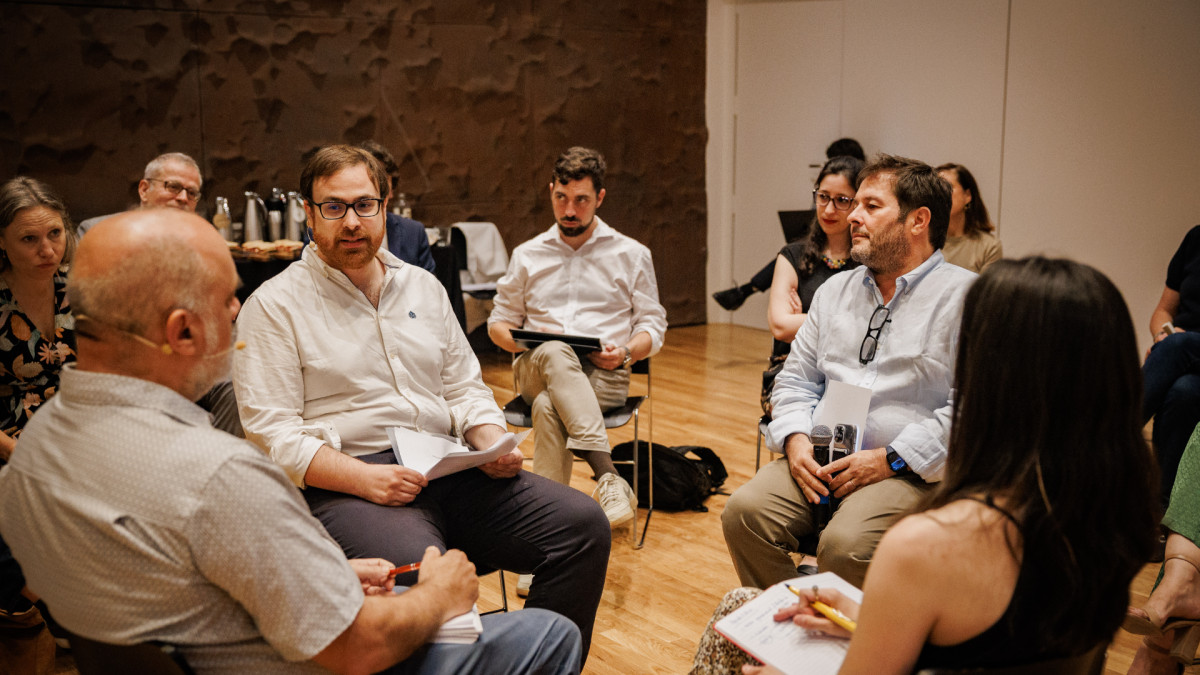
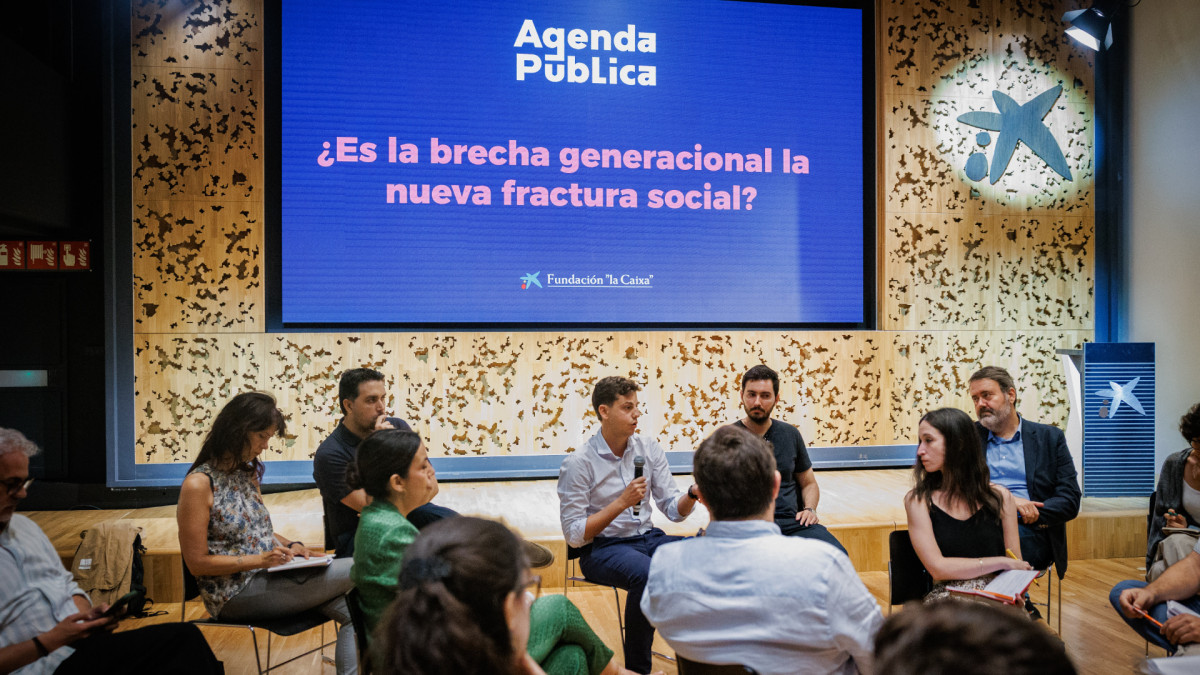
Home ownership was the common ground of a debate that, moreover, was traversed by two distinct diagnoses. For Estefanía Molina, journalist and political scientist, the generational gap expresses a deep crisis of the Welfare State and helps explain the democratic disengagement of young people. For Pau Marí-Klose, sociologist and professor at the University of Zaragoza, the disadvantages exist, but they do not yet allow speaking of a new social fracture nor explain by themselves the political turn of a portion of the youth. Agenda Pública confronted the different ways of addressing the generational debate this July 10 in Madrid in the micro-space Is the generational gap the new social fracture?, moderated by Albert Guivernau, director of the Civismo Foundation. The editor and director of the outlet, Marc López Plana, opened the meeting advocating for an intense debate, but based on data and understanding, before representatives of the Administration, the university, the business sector and the third sector.
Estefanía Molina (left) and Pau Marí-Klose (right). Photo: Agenda Pública / Tania Sieira
Two diagnoses of the generational gap
Estefanía Molina, author of The Children of the Boomers, placed the problem beyond a dispute between the young and the old. “We had always believed that democracy was legitimized by equality, freedom. Today we know it must also deliver results,” she argued after warning about the disconnection of a portion of the youth from the democratic system. Her thesis is that the social pact was designed for a demographic, a life expectancy and an expectation of progress that no longer exist: children are not guaranteed to live better than their parents, and the electoral weight of the baby boomers steers a large part of public priorities.
“We had always believed that democracy was legitimized by equality, freedom. Today we know it must also deliver results”
That imbalance, she argued, poses a dilemma between the past and the future. The rising spending associated with aging limits the capacity to invest in policies that shape the lives of the younger generations, such as housing. “To anyone who worries about the class gap, know that if we do not solve the generational gap, we will deepen it”, she warned. In her view, progressive forces must take on the debate and not leave it to the “reactionary forces.”
Molina rejected that this reading denies class inequality: there are older people who are rich and poor, but there are also parents who can pay a down payment, support their children or pass on a home, and others who cannot. “Today an inheritance changes a person’s life,” she summarized. Older people have also become the patch that covers their descendants’ difficulties: many young people can stay at home, receive financial help, or rely on future wealth transfers.
For his part, Pau Marí-Klose, sociologist and former deputy, shared the need to address youth disadvantages, but questioned the exceptional nature of the moment. He recalled that youth unemployment, precariousness and difficulties in accessing housing have been present for decades in the Spanish debate. In his view, today there is above all “a housing access crisis”, while other indicators offer a less bleak picture.
Albert Guivernau (left) and Marc López Plana (right). Photo: Agenda Pública / Tania Sieira
Youth employment has risen, temporary contracts have fallen, and training has improved, including a drop in school dropout rates. “There are quite a few good news stories; it is not all a apocalyptic outlook”, he stressed. He also noted that poverty rates among young people and the elderly have converged, though he admitted that housing makes emancipation and the accumulation of wealth more difficult.
Housing thus concentrated the main point of agreement. Molina focused on the disconnect between stagnant salaries and rising housing prices, in addition to the scarce public investment. Marí-Klose pointed out that previous generations could solve access to ownership earlier thanks to more abundant credit, a path that is today far more restricted. Both argued that the response requires expanding the public housing stock, although they disagreed on how much this problem justifies speaking of a fracture between ages.
The clash became more visible when addressing the political consequences. Molina stated that Spain has the most right-leaning youth of the democratic era and that support for the system falls among the younger generations. Family dependence, she added, cushions the conflict: “As long as the Boomers are around there will be social peace; later dumpsters will burn”. She also questioned the idea that those who vote for Vox today will automatically return to traditional parties when they grow older, because political socialization solidifies values.
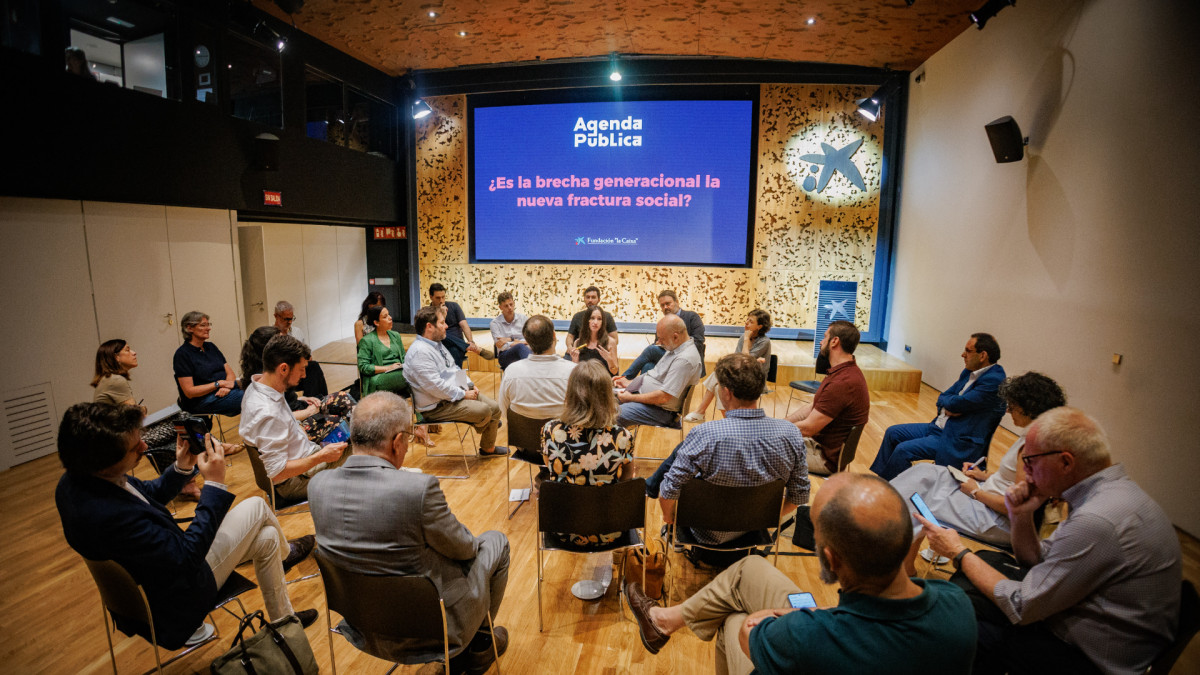
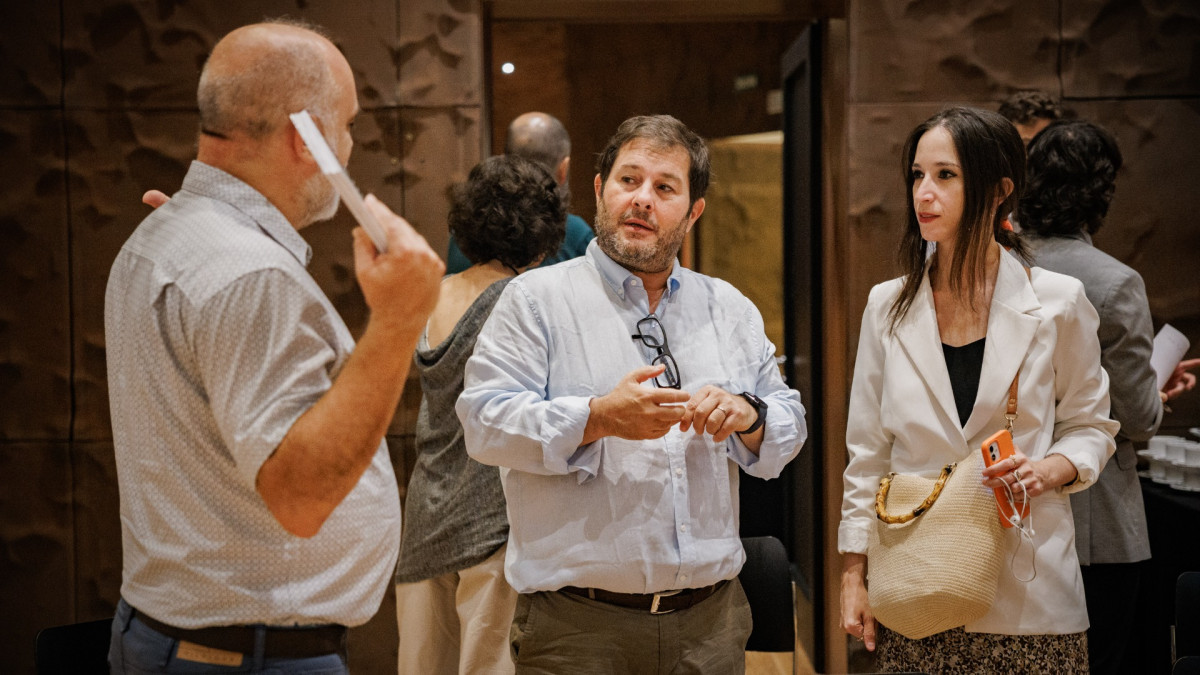
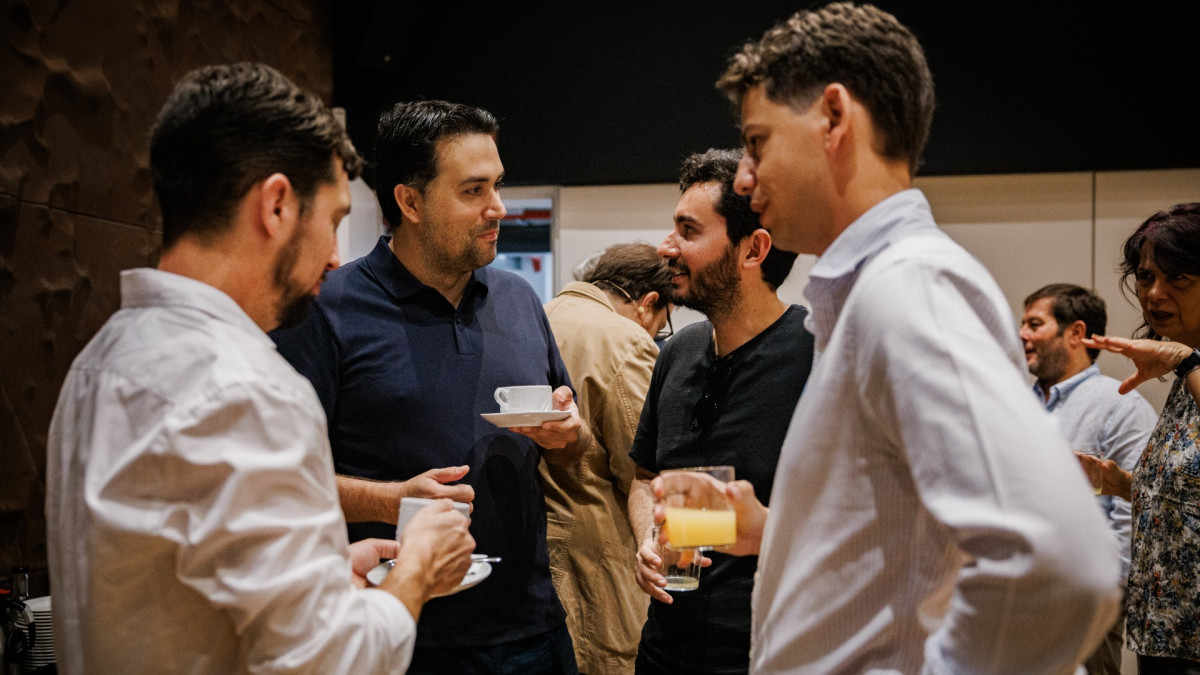
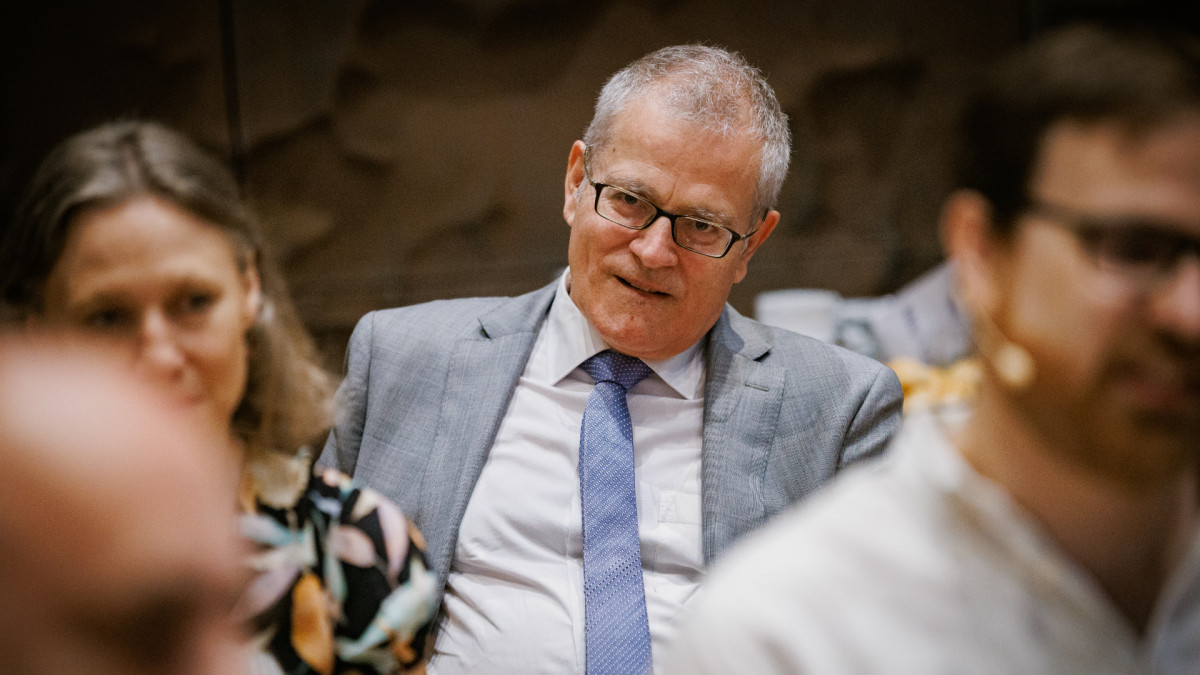
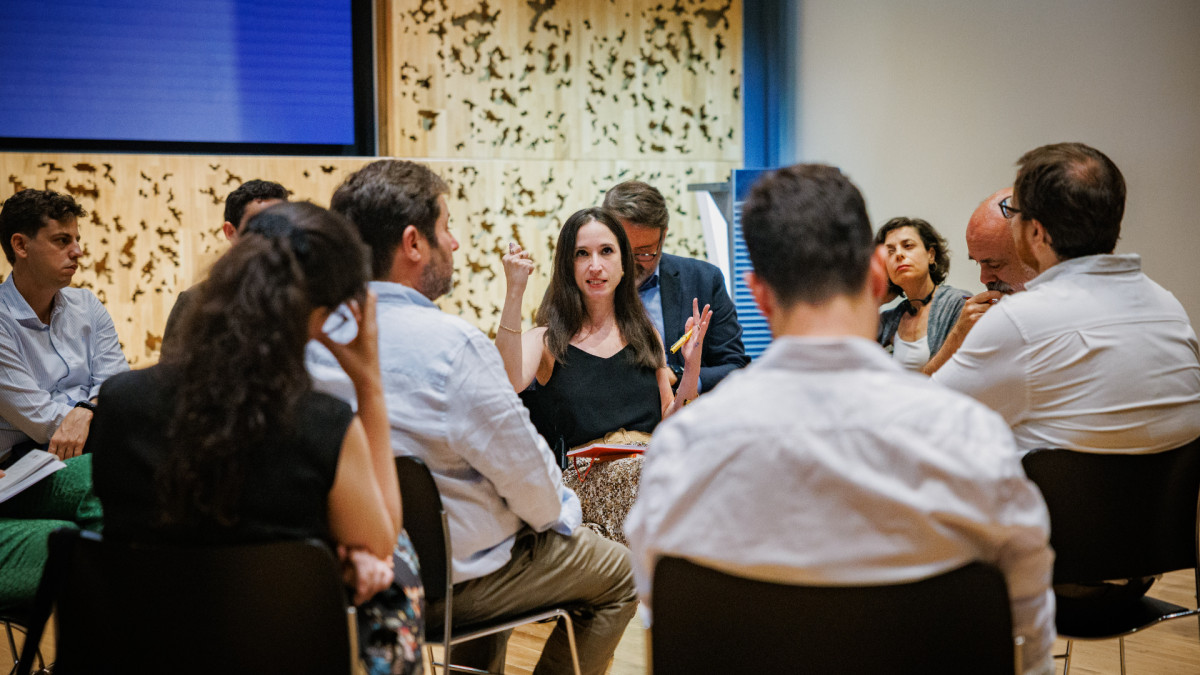
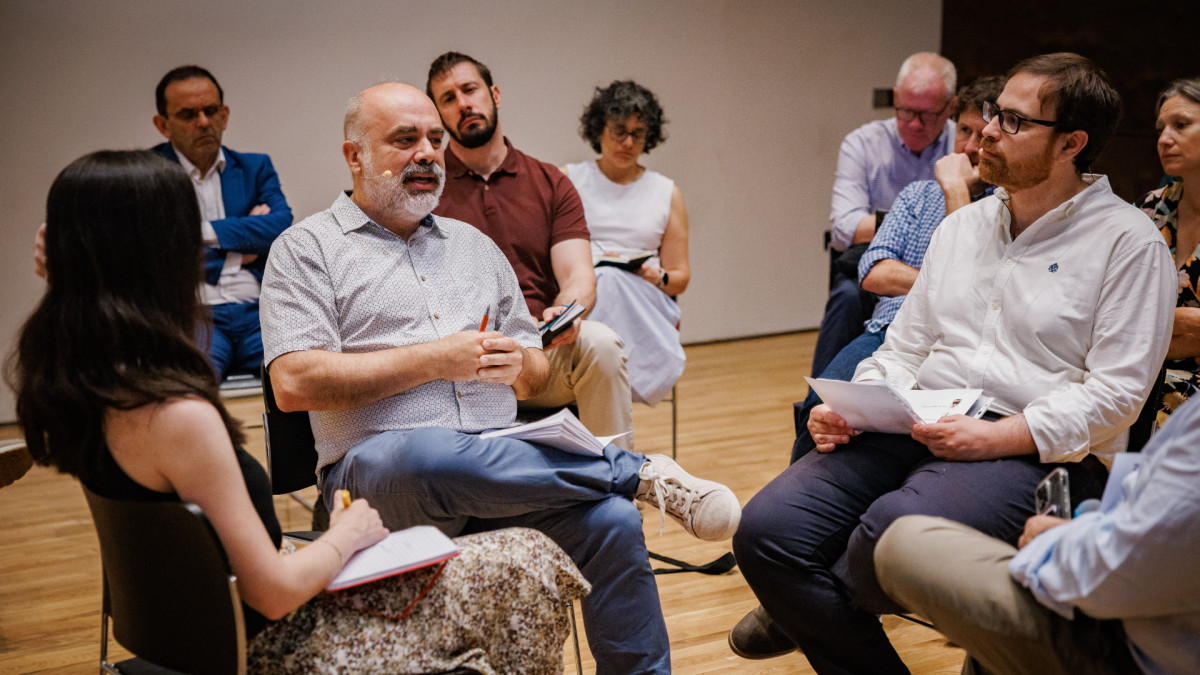
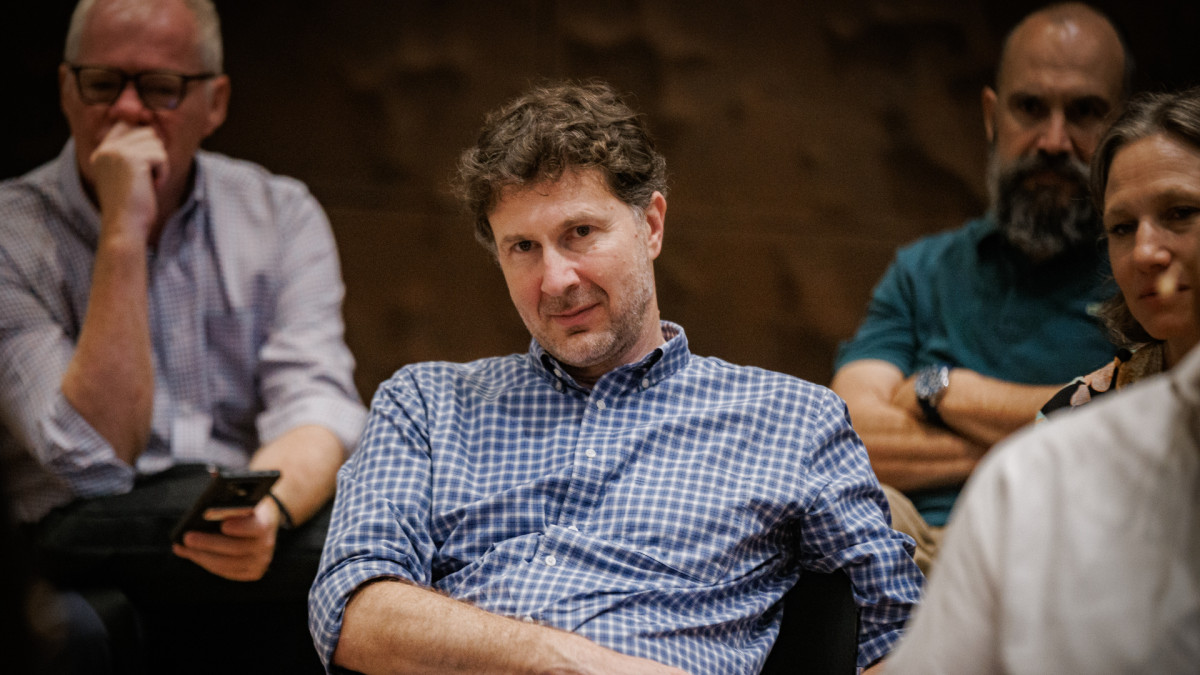
Attendees from diverse fields and age groups joined the Agenda Pública meeting. Photo: Agenda Pública / Tania Sieira
Here the main point of disagreement emerged, as Marí-Klose, former high commissioner for the Fight Against Child Poverty, asked to separate correlation from causation. Young people who rate their economic situation worse or identify housing as a personal problem are not, according to the data, the ones more likely to vote for Vox. The rightward shift concentrates especially among young men and may be more linked to rejection of feminism, conspiratorial attitudes, or other cultural conflicts. “Let us not insist on what the data do not support”, he urged.
He also rejected that the absence of protests necessarily hides a large, unspoken discontent. “It’s not that they don’t protest; it’s that they don’t express their economic grievance even in surveys,” he asserted. The evaluations that young people make of their living standards, he explained, are similar to those of other age groups and their positions on pensions do not reveal a generalized rupture with older generations.
“It’s not that they don’t protest; it’s that they don’t express their economic grievance even in surveys”
Afterwards, Albert Guivernau set the debate’s axes around pensions, which opened another front. Molina argued that the system allocates more and more resources to an aging population and criticized that uprating also benefits those with high incomes and assets, while housing policies capable of changing young people’s opportunities are lacking; Marí-Klose reminded that the uprating is tied to the Toledo Pact and that many pensions are below the minimum wage. He expressed support for containing spending, especially on the high end, but warned that any cut would also affect future pensioners. “Youth is a disease that is cured with age,” he quipped.
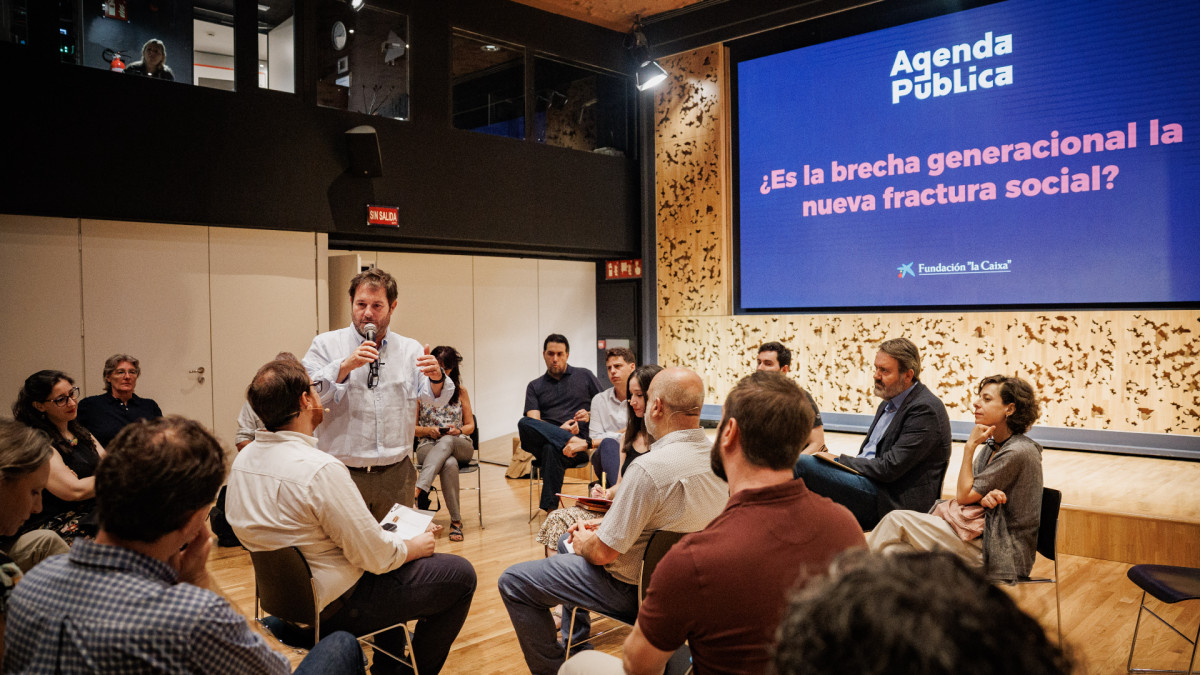
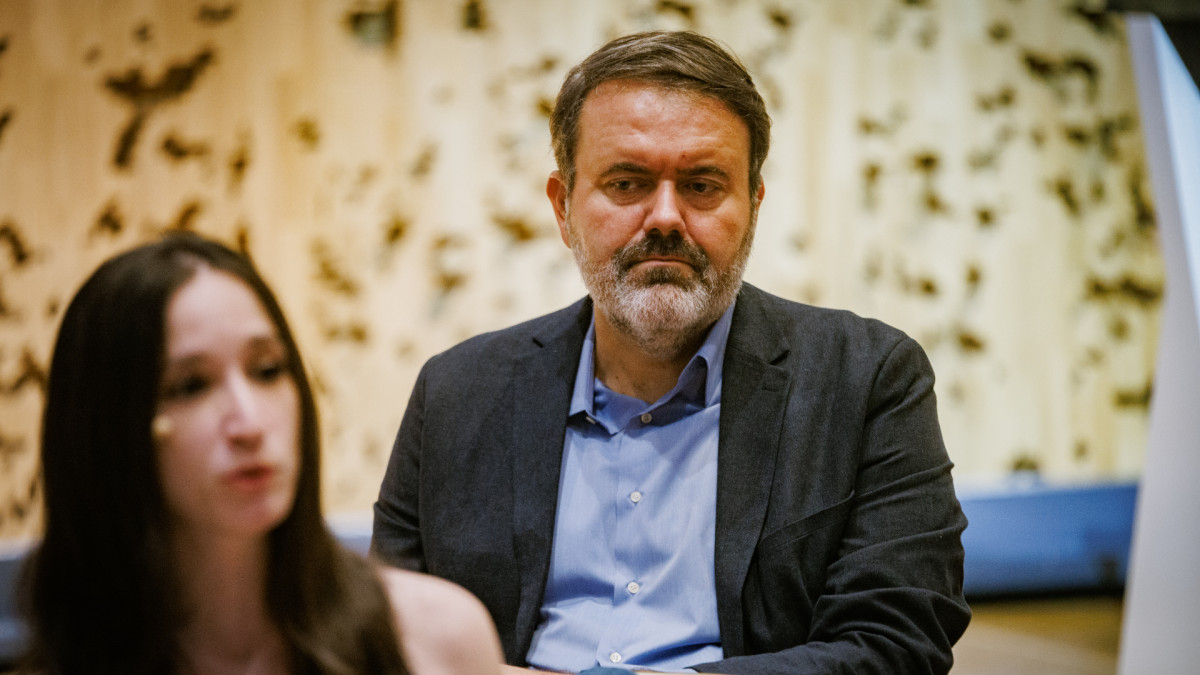
The participants contributed to an “intelligent debate”.
Narratives, taxes and the social contract
The discussion broadened its focus to the narratives and inequality within each generation. The political scientist and IE University professor Imma Puig-Simon asked about the impact of social networks and the problem of aspirational models built around becoming a millionaire, moving to Dubai, or escaping the fiscal pact. On the other hand, the PSOE spokesperson in the Community of Madrid, Javier Guardiola, proposed how to correct wealth accumulation without debating inheritance and wealth taxes, and linked misinformation to a loss of institutional trust. Also, Emma Cerviño Cuerva, advisor to Spain’s Economic and Social Council, urged attention to the differences among young people themselves and the contrast between men and women.
Molina replied that the debate does not simply pit supporters against detractors of taxes; it revolves around their destination and the perception of deteriorating services and infrastructures. “The real debate is where the taxes go”, she stated. Although a portion of the youth has benefited from public education, health and universities, they may feel that all they have received is not enough to build an autonomous life with current wages.
The promise that studying and striving would lead to a stable life has weakened, she added, and some ideals spread on social networks work as escapes and as a way to regain control over an uncertain life. Success is identified with those who move to Andorra, become millionaires in Dubai, or “kick the system.” “Everything is about escaping from here”, Molina summarized.
Marí-Klose again urged prudence. Worrisome trends must be studied without declaring a catastrophe whose evolution remains open as definitive. He also questioned whether one can yet speak of a “jammed social elevator,” which Molina had previously mentioned, given that we still do not know the economic position that young generations will reach in the coming decades. In the past, he recalled, it was also predicted that other cohorts would never gain access to housing and ended up accumulating considerable wealth.
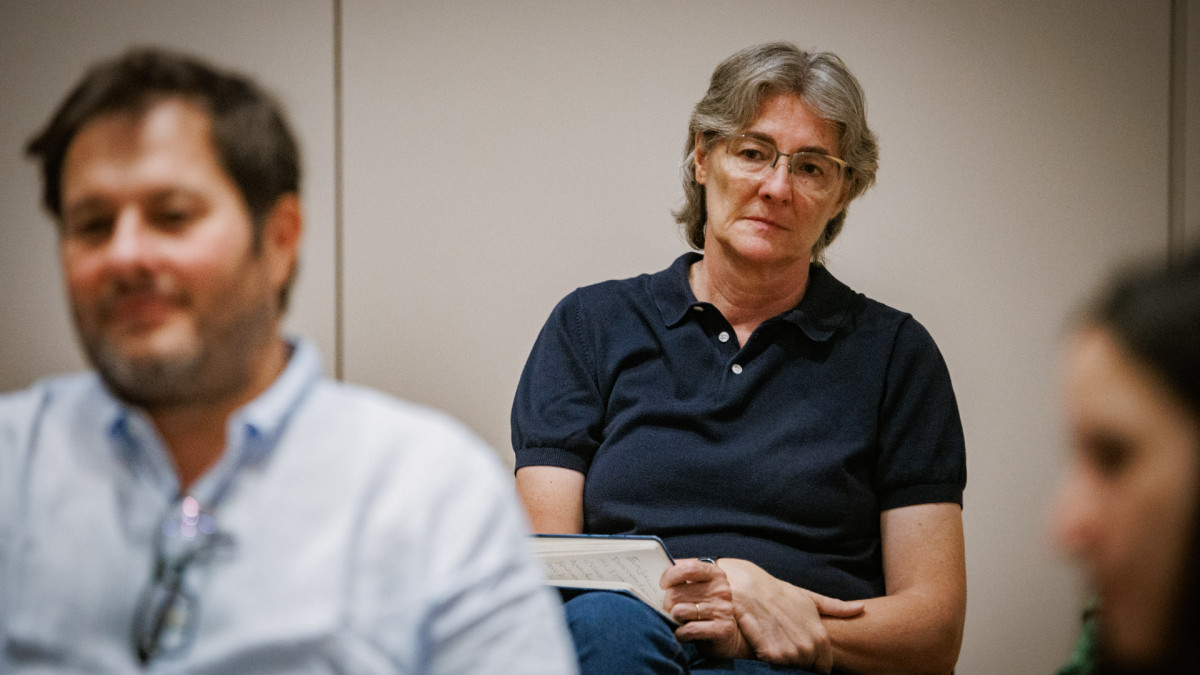
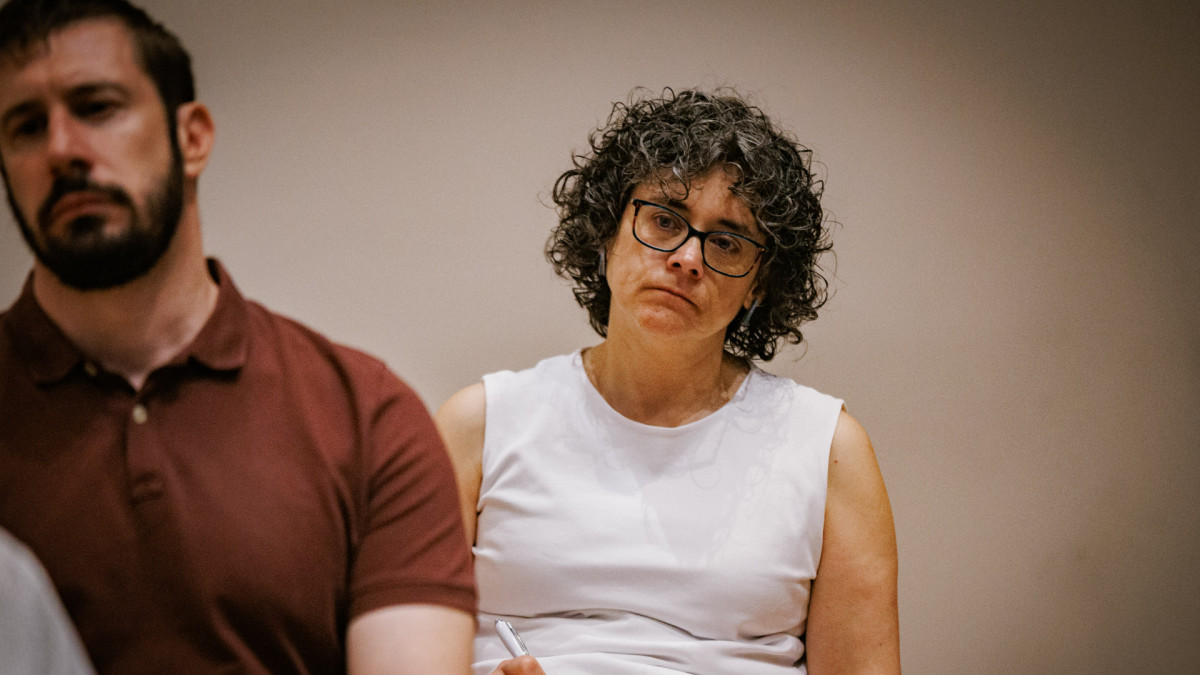
In the subsequent colloquium, representatives from the Administration, the university, research, business, foundations and the third sector participated. Among the attendees were the Secretary of State for Youth and Childhood, Rubén Pérez Correa; the General Director of the Institute of Fiscal Studies, Alain Cuenca García; the head of Qualitative Research at GAD3, Patricia Abad Rodríguez; the Director of the Cabinet to the Minister of Youth and Childhood, Adrián Arias Mieres; the Director of Policy Innovation and Strategy at Red2Red, Anabel Suso; the PSOE spokesperson and deputy in the Madrid Assembly, Javier Guardiola Arévalo; the professor at the American College of the Mediterranean, Kilian Wirthwein Vega; the professor at Carlos III University of Madrid and member of the Venice Commission, María Itziar Gómez Fernández; the former deputy mayor of Madrid and founder of Independientes por Madrid, Marta Higueras; the research professor at CUNEF, Miguel Ortiz; the accounts manager at Acacia, Josep Adolf Martí i Bouis; the delegates of FES Spain, Valeska Hesse and Daniel Reichart, and political consultant Eduardo Bayón.
The session offered a clearer reading of how the generational issue functions in Spain. In this line, a shared diagnosis emerged: access to housing blocks emancipation, delays wealth accumulation and amplifies family differences. The dispute is whether that blockage explains the democratic crisis and the youth’s rightward shift or whether these respond to broader causes. Following interventions guided by the common goal of improving the country’s present and future by tackling inequality, López Plana closed by celebrating an “intelligent debate.”
Previous Next
In collaboration with the “la Caixa” Foundation
