
Even though Flock Safety’s auditing tools have proven effective in identifying wrongdoers, additional steps are essential to safeguard Americans’ privacy.
What is unfolding in Georgia?
Over a short span, eighteen law enforcement officers across the Peach State have been detained for misusing Flock Safety camera data, signaling a troubling pattern that underscores the need for tighter governance of mass surveillance technologies.
Late last week, the DeKalb County Sheriff’s Office, located in metropolitan Atlanta, announced that Sgt. Kabiru Salawu had been fired, arrested, and charged for allegedly misusing Flock license plate reader technology but did not release details on which data were accessed or why, according to USA Today. The 17-year agency veteran faces one year in prison and up to a $5,000 fine for the misdemeanor offense and between one and five years in prison for violating the oath as a public officer, a felony offense.
Salawu’s arrest marked the 17th law enforcement officer in Georgia to face charges for similar misconduct, including five officers in Albany, four in Richmond County, three in Fayetteville, three in Cherokee County, and one in Greene County, reports USA Today.
Yet the tally continues to climb, and on Wednesday, a supervisor with the Conyers Police Department’s Real-Time Crime Center, Paige Forte, was arrested for allegedly misusing the Flock license plate reader system more than 30 times to search for her domestic partner’s car between April and July, according to WRDW/WAGT, a CBS and NBC affiliate.
Some of these arrests, according to a statement released by Flock Safety, an Atlanta-based company, can be attributed to the company’s Audit Assistance tool announced in April. The latest string of arrests in Georgia, according to Flock, is evidence that these auditing tools are functioning as intended, delivering “greater transparency, tighter oversight, and an effective way to separate good policing from bad.”
Nevertheless, privacy and police accountability advocates argue that more must be done to shield Americans’ privacy from the growing number of cases involving police surveillance abuses cropping up nationwide.
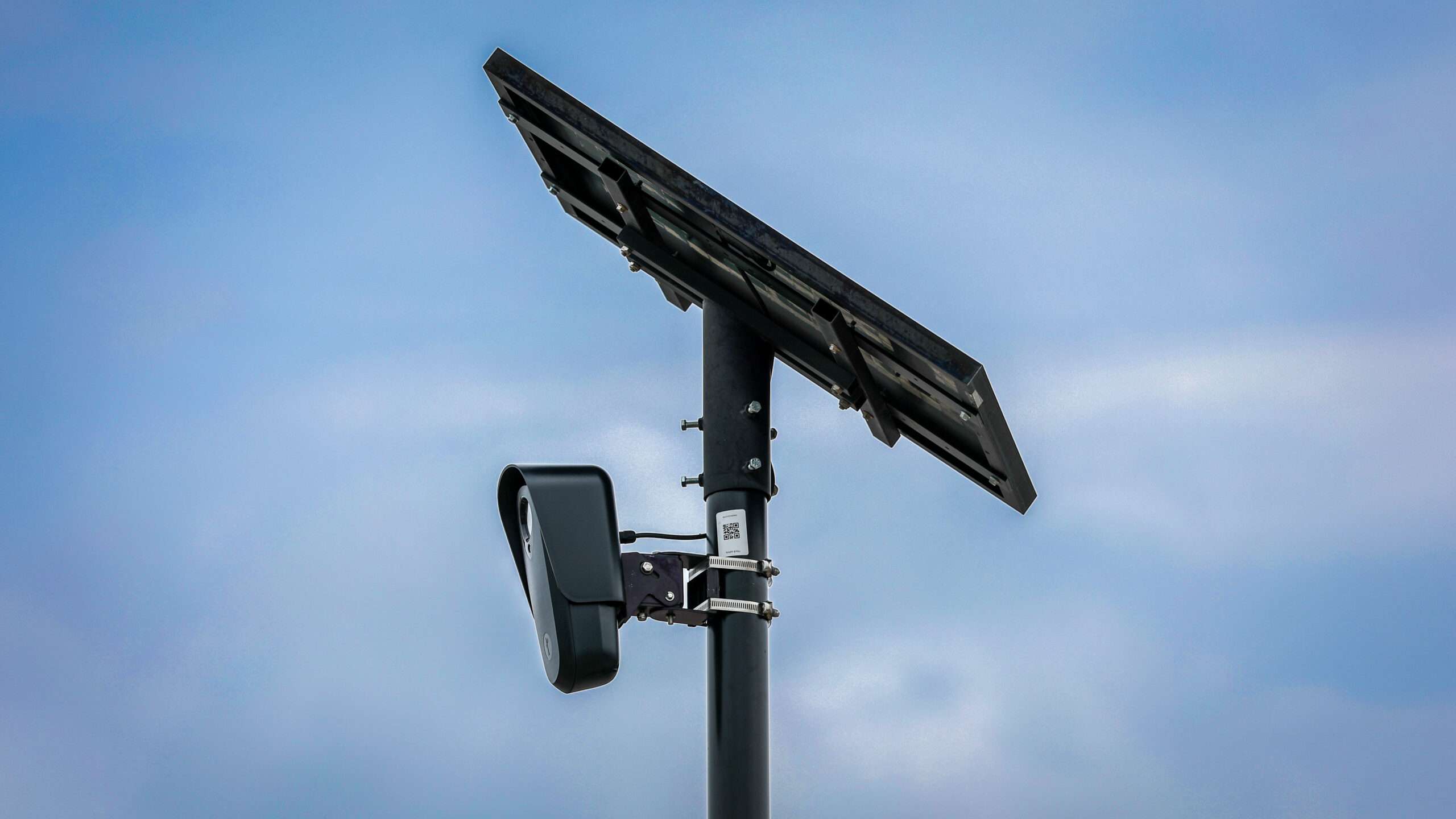
Flock Safety’s automatic license plate reader (ALPR) camera networks have expanded rapidly in recent years, now logging more than 20 billion data points each month. The data are kept for 30 days and compiled into a searchable database. This means that officers with access to Flock Safety’s extensive database can track vehicles, and by extension drivers, with remarkably little oversight and no warrant requirement, according to the Institute for Justice, a nonprofit law firm.
“Without the constitutional safeguard of a warrant requirement,” Michael Soyfer, an attorney at I.J. challenging ALPR networks, said in a statement, “that predictably allows officers to abuse their access to these systems for things like stalking romantic partners.”
Requiring a warrant would compel officers to show probable cause, or a reasonable belief that a crime has occurred, before allowing access to ALPR camera network databases and the trove of private information compiled within. This policy would essentially weed out bad actors before police misconduct takes place, rather than catching the abuse after the privacy violation has already occurred.
Georgia is not the only state where officers have been arrested for misusing license plate data and other police surveillance tools. But the state’s recent 18 arrests, and counting, underscore just how pervasive the problem can be, even with Flock Safety’s auditing tools in place. And without a warrant requirement, which courts have so far declined to impose, cases of police surveillance abuse will likely keep rising.
