
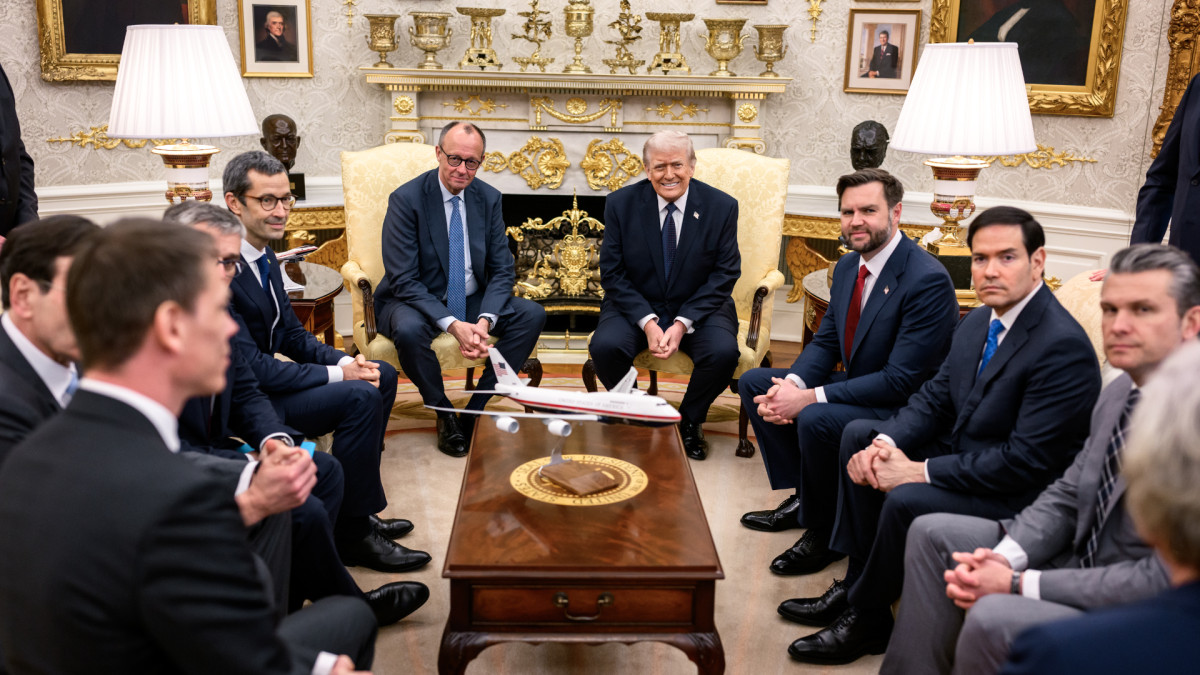
Following President Trump’s Oval Office address, on Tuesday, March 3, in which he stated that “we are going to cut all trade with Spain,” Agenda Pública contacted several public policy analysts, former government officials, and trade policy specialists to gauge their reaction. This is what they had to say:
Francis Rooney
Francis Rooney, former U.S. congressman from Florida, former vice chair of the House Foreign Affairs Committee and former U.S. ambassador to the Holy See:
The relationship between the United States and Spain began even before France controlled Louisiana, during a time when Spain governed the Mississippi River. Spain stood with France during our War of Independence, and has been involved in the 21st-century conflicts in Iraq and Afghanistan. Although we disagree with the government of Sánchez’s PSOE, we understand that governments are temporary and that the U.S.–Spain relationship will endure.

Ana Amador
Ana Amador, attorney specializing in international trade and regulatory compliance at Steptoe, based between New York and Brussels:
The president’s comments tense the diplomatic tone and erode trust in the bilateral relationship between Spain and the United States. In the broader frame of the U.S.–EU transatlantic relationship, they also complicate ongoing bilateral talks between Washington and Brussels and create frictions among EU member states, as some are portrayed as U.S. allies while others face criticism. They also hinder cooperation in areas such as national security, Ukraine, migration, and critical supply chains, as confidence among allies and longstanding partners wanes.
Although President Donald Trump’s remarks pointed toward the possibility of a trade blockade, that scenario seems unlikely in practice. The U.S. Supreme Court has recently limited the use of the International Emergency Economic Powers Act (IEEPA) to impose broad and indefinite tariffs without a clear national security justification, which constrains executive authority. Moreover, the European Union is not currently subject to broad sanctions by the United States, although measures taken under instruments such as Section 122 and potentially Section 301 continue to affect transatlantic trade. Nevertheless, additional restrictions could emerge against Spain via new defense-trade investigations, regulatory actions with trade-restrictive effects, or outcomes of EU–U.S. negotiations that disproportionately impact Spanish exports.

Bjorn Beam
Bjorn Beam, former CIA official and a former member of the Presidential Daily Brief team during Trump’s first term, currently head of technology research and senior geopolitical analyst at Arcano Research:
The Oval Office threat to “cut all trade with Spain” is overt coercion, and it also reveals how tightly Iran-related tensions are already wound. It is turning Spain into a cautionary example for European governments that resist backing U.S. operations and increasing defense spending, just as Washington shifts its Iran strategy from a rapid display of force to a messy, open-ended bet on regime change. The message to Madrid and Brussels is straightforward: accept the bases and accept Iran, or face pressure on trade and on the wider security relationship. Yet there is a real possibility he could lose focus as the costs and complexity of a war with Iran rise.
If Trump presses ahead, the intelligence channel will be the first casualty. The CIA was already losing trust in Spain’s security environment after Sánchez’s government allowed Huawei to handle sensitive policing surveillance data, and a full political rupture over Iran would give Washington a perfect justification to downgrade Spain from trusted partner to risk-managed partner. In the end, Trump has more to fear from the impact of this conflict on U.S. living costs and midterm-election dynamics than from his own outbursts against European leaders.

Kristina Kausch
Kristina Kausch, deputy director of the South and Wider Europe program and senior fellow at the German Marshall Fund, based in Madrid:
It isn’t the first time Sánchez has openly positioned himself against Trump’s preferences and has separated himself from the EU mainstream. It’s also worth noting that Trump has not translated his Oval Office rhetoric into action. When Sánchez argued for a Spain-specific exception to the NATO spending target of 5%, there were no consequences from Trump after expressing his disagreement. The same lack of follow-through occurred when Spain recognized Palestine.
Spain has not yet faced meaningful repercussions. Trump’s recent Oval Office remarks about Spain are simply another reflection of prior statements. Trump cannot unilaterally cut trade with Spain because Europe’s single market governs such matters and trade policy lies with the EU, not the member states. What we are seeing is a pattern of rhetoric without tangible consequences. I would not expect any material outcomes from these statements; they appear to be just frustration with Sánchez’s defiance.

Juan Luis Manfredi, doctor and professor of Journalism and International Affairs at the University of Castilla-La Mancha:
The Prime Minister, Pedro Sánchez, is shaping his own international profile. He occupies a space that today is scarce among the major economies and seeks to position himself as an alternative to the global conservative wave. The clash with President Trump and with Elon Musk strengthens his internal leadership and shrinks the opposition’s room to maneuver. Standing out is difficult. Moreover, it places Vox in a polarizing role.
The real risk regarding the United States is not in trade policy but energy: Spain’s exposure to liquefied natural gas from the United States defines its vulnerability. Europe is accelerating its defense efforts; Spain needs its own strategy to avoid remaining on the periphery.
Dan Runde
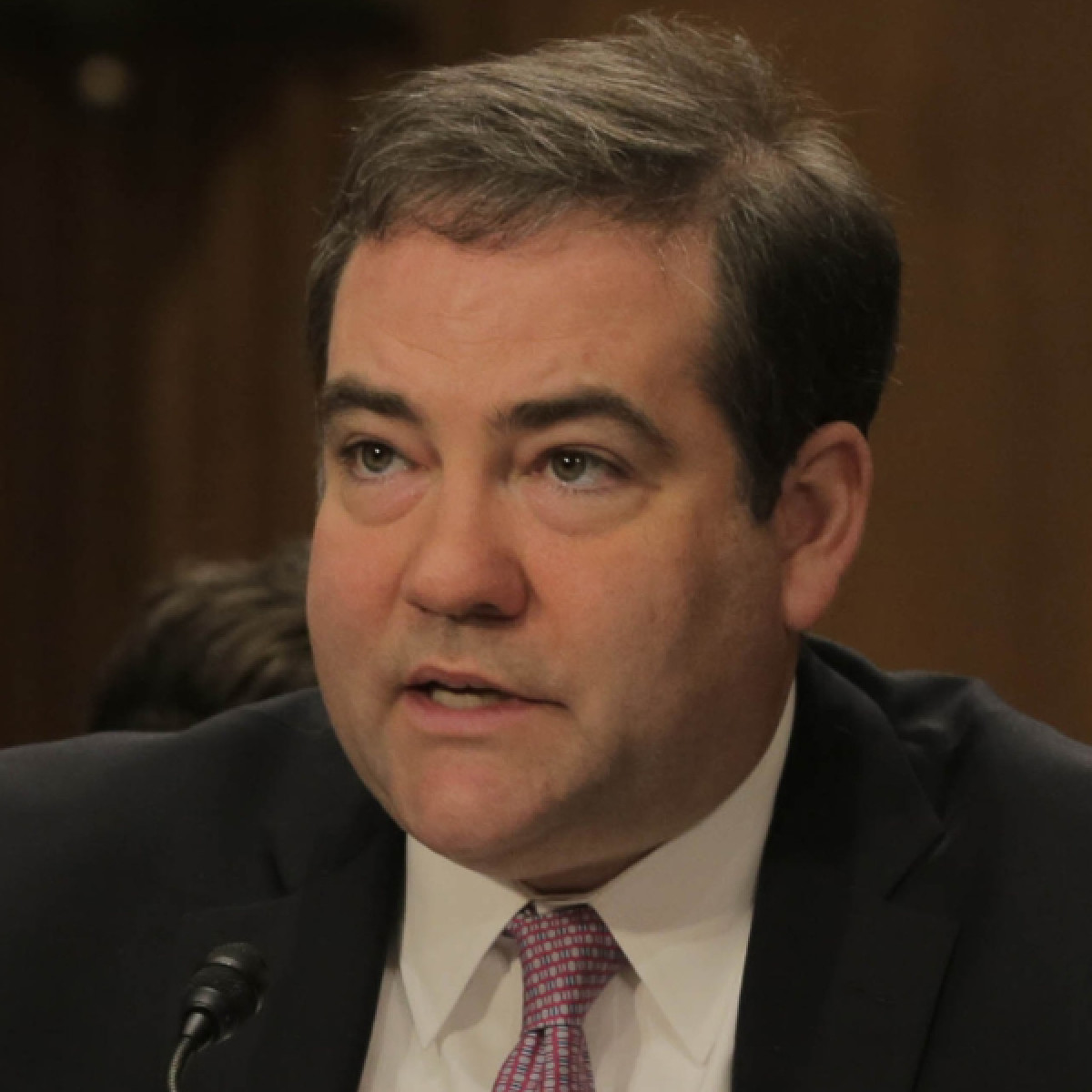
Daniel F. Runde, senior advisor at the Center for Strategic and International Studies:
Like President Trump, I deeply admire the Spanish people, but we share a significant disagreement with the current Spanish government. Let us be clear: Spain remains a key ally of the United States, as it has been since the country’s founding.
However, the actions of Prime Minister Sánchez are deeply disappointing for those of us in the United States who want a strong bilateral relationship, including a robust military partnership. Trump’s Oval Office remarks align with his stated desire for European partners to contribute more actively to meeting global challenges that threaten U.S. and European security, such as Iran’s nuclear ambitions.
Federico Steinberg
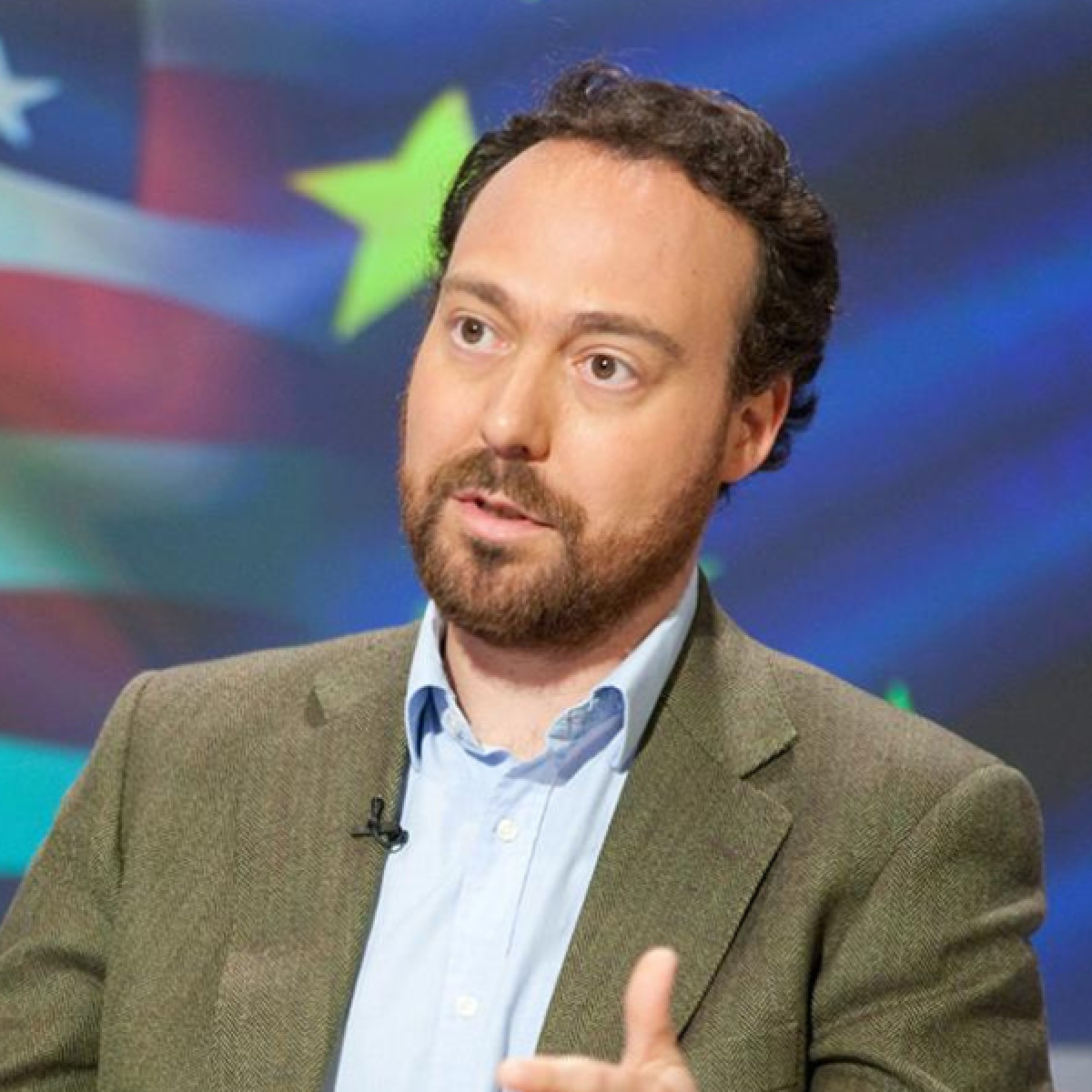
Federico Steinberg, Distinguished Visiting Professor Prince of Asturias at the School of Foreign Service of Georgetown University and senior fellow at the Royal Elcano Institute:
Washington cannot impose tariffs specifically on Spanish products because the European Union acts as a single trading bloc. Moreover, the Supreme Court has ruled tariffs justified under the International Emergency Economic Powers Act (IEEPA) to be illegal, which would force the Trump Administration to rely on other legal instruments that are less immediate. Other forms of action could include measures affecting U.S. exports to Spain, investments, visas, and other financial matters.
