
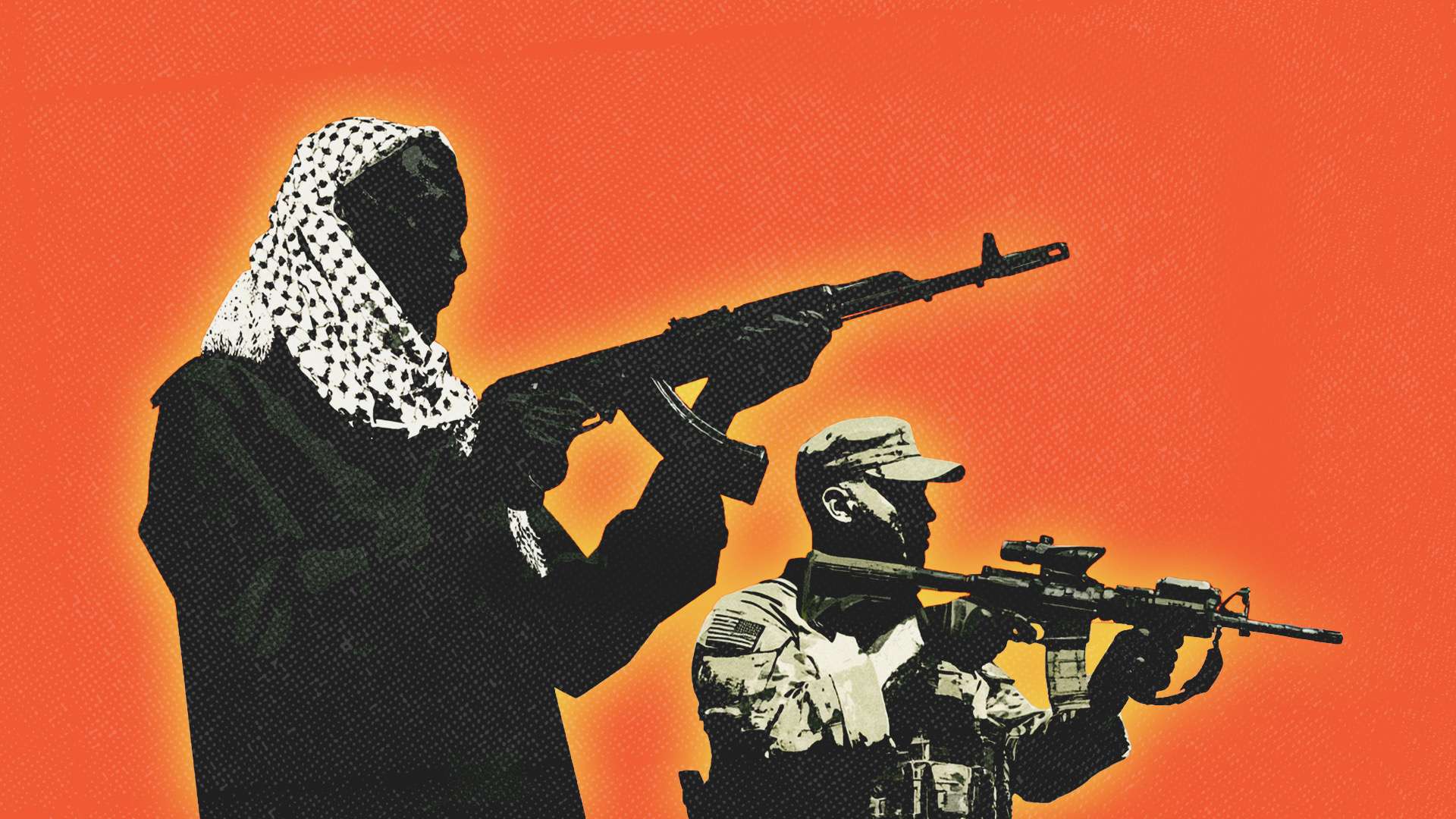
The Sudanese civil war ranks among the globe’s most brutal confrontations today. In October 2025, mutinous troops behind the Rapid Support Forces seized El Fasher, the capital of North Darfur. RSF units were captured on video as they shot detainees and harmed civilians. Bodies and gore littered the streets, so stark they could be glimpsed from orbit. Death toll estimates span from about 10,000 up to 150,000. Both the U.S. State Department and the U.N. Independent International Fact-Finding Mission for Sudan have labeled the RSF’s actions as genocide.
A contractor linked to U.S. special operations may have supported the RSF during the siege, according to Reuters and a U.N. watchdog. Reuters last month detailed that firms owned by Steven Shaulis, a former U.S. Army Special Forces operator, operated jets shuttling among multiple RSF logistics nodes in 2025, notably at an airport deemed pivotal to the assault on el-Fasher. In the prior week, the U.N. Panel of Experts on Sudan stated it possessed credible information from four independent sources that the aircraft had carried RSF combatants and mercenaries, as well as military gear, including drones and firearms.
Reuters stressed that the piece did not allege misconduct by Shaulis. He did not answer Reuters’ inquiries or a later inquiry from Reason. Craig Munro, his business associate, told Reuters that footage and satellite images suggesting flights were unfounded, that their companies had no links to the RSF, and that their aircraft objective was to transport medical supplies for a client in the usual course of business.
The flight activity emerged after an air strike on May 2, 2025, when Sudan’s armed forces destroyed a Boeing 737 soon after it departed from N’Djamena International Airport’s military sector in Chad, heading toward Nyala in Darfur, under RSF control. The aircraft was run by staff from Occidental Support Services, a UAE-based firm wholly owned by Shaulis. Further investigation by Reuters uncovered additional legs connecting RSF hubs via planes from Contractor Airways, a South African outfit co-owned by Shaulis and Munro.
Shaulis maintains deep connections in Washington, accruing no less than $419 million in contracts with the U.S. military and USAID over the years. Jack Murphy, a reporter who covers special operations, responded to Reuters by noting that one of Shaulis’ firms, CADG, has acted as a commercial cover platform for the U.S. Joint Special Operations Command for decades, largely operated by Delta Force these days. Spokespersons for the U.S. Special Operations Command and CADG did not provide comment.
The conflict emerged in 2023 after a faction within Sudan’s military leadership fractured, following a 2021 coup that toppled a pro-democracy movement. General Muhammad Hamdan Dagalo Musa, who commands the RSF, rebelled against the regular army, effectively dividing the country. He had earlier participated in the 2004 Darfur massacres on behalf of the government he now pits himself against. The fighting has claimed hundreds of thousands of lives and forced millions to flee their homes.
Officially, the United States has kept a hands-off stance toward the conflict, a situation that many describe as a struggle defined by a range of villainous actors. Yet the recent reporting casts doubt on whether certain individuals in Washington or their associates have been quietly backing one faction.
