
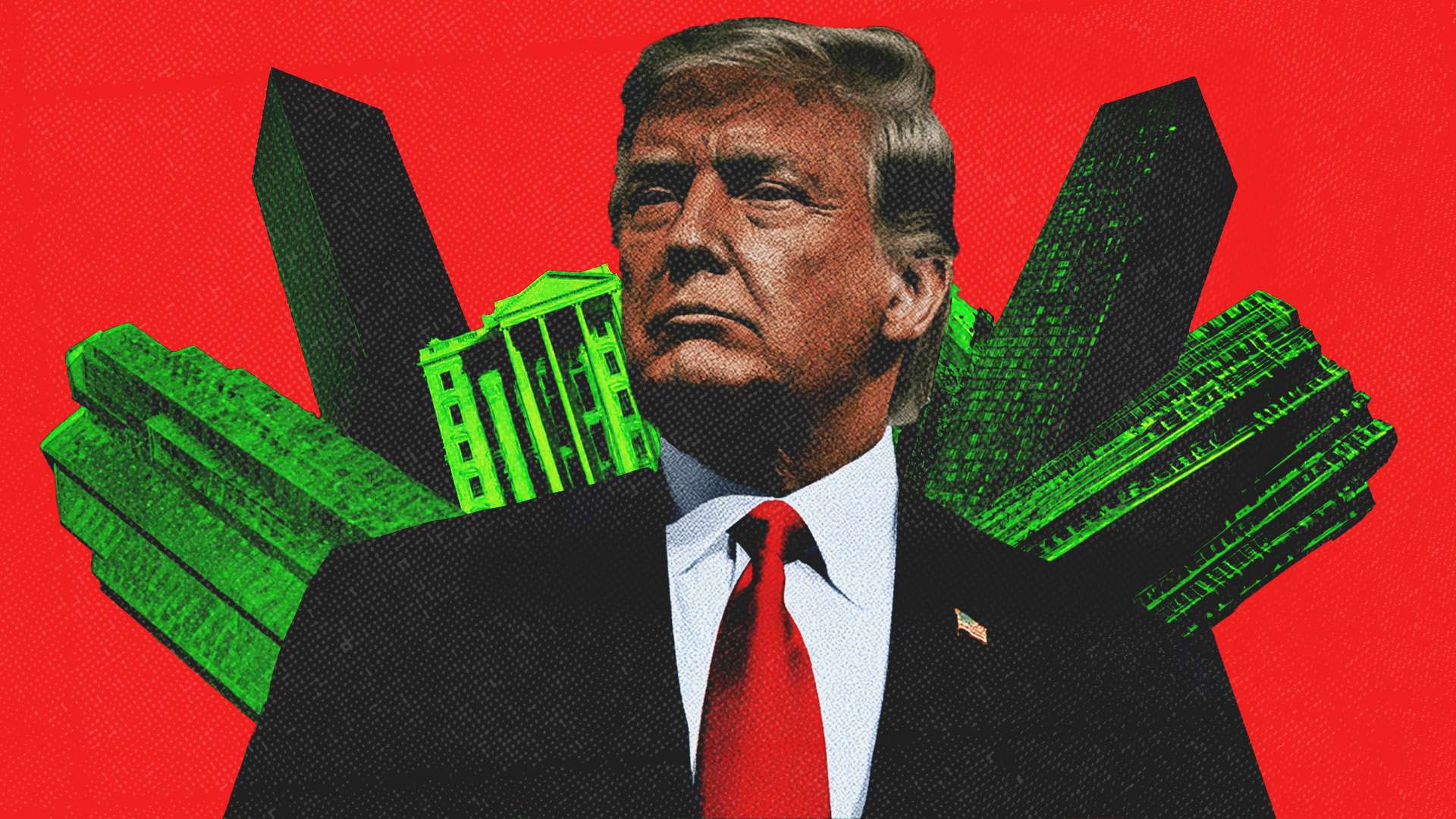
Last month the Democratic Socialists of America published their platform, and credit is due for its candor. They advocate state ownership of major corporations, the dismantling of policing and prisons, a smaller, defunded defense apparatus, and open-border policies. Conservatives who read the document saw the future they have warned American voters about: the government taking control of the economy’s most strategic sectors and acting as owner rather than referee.
That concern is justified. The socialist program would be disastrous. So here is a difficult question: why is a Republican administration quietly carrying out the public-ownership aspect of this program on its own?
Recently the Commerce Department announced that letters of intent have been signed to extend federal incentives to seven additional companies under the CHIPS program. Each letter depends on the government taking an equity stake. By the Cato Institute’s tally, that brings the federal portfolio of corporate stakes to about thirty firms.
A year ago, these arrangements looked like improvised fixes—ad hoc pacts hammered out under pressure with President Donald Trump’s flexible negotiating style. Today, the department unveils them in batches. Government ownership of private companies has become routine, and it is happening on the right even as its members accuse the left of socialism.
To be sure, this is not the total abolition of private property that some DSA members would crave. Yet if you strip away the label and examine the mechanism, the core move remains: socialism centers ownership and decision-making in the same hands. A government equity stake accomplishes exactly that. Washington already regulates these firms, buys from them, and subsidizes them. Now it holds pieces of them. Every lever it controls—tariffs, permits, contracts, the next round of subsidies—shifts the value of its own holdings.
Colorado Governor Jared Polis, a Democrat, perceives the implications of government stake ownership more clearly than many Republicans do. He writes that when the state owns part or all of private companies, it is no longer merely setting the rules—it becomes a participant in the game and designs the rules to its own advantage, against the people. He adds that socialism concentrates political and economic power in the same hands. That assessment is compelling and ought to sting.
Polis later pressed Fox News about the absence of Republicans who denounce this policy. Some exist, like Senators Hawley and Paul, but it remains a fair question. The likely answer is that politicians condemn something until their own side adopts it. Still, the GOP’s silence on a matter this fundamental is genuinely puzzling.
As Tad DeHaven of the Cato Institute observes, the seven nonbinding letters of intent could provide up to about $874 million in CHIPS and Science Act research and development incentives. Recall when most Republicans opposed the CHIPS Act enacted under President Biden? I do. And recall when they professed concern for fiscal responsibility?
And what about opposing ownership stakes simply because the right may not remain in charge? An executive branch that can dispense ownership at its discretion accumulates a permanent power, and such powers outlive the people who create them. Picture a future where a Democratic president inherits 30 companies’ worth of shareholder rights and the leverage that accompanies them—board seats, emissions mandates, conditions attached to the next round of funding.
This is not a paranoid fantasy. A defense bill in the Senate would grant the Pentagon its own equity portfolio, meaning Congress could authorize the administration’s practice by statute rather than stopping it. The right seems to be loading a gun and hoping only its friends pull the trigger.
The economics of government ownership of corporate shares bite even more than the politics. A government does not allocate capital to its highest-valued use; it allocates capital to its most politically valued use. A project that can advance in a fair market does not need taxpayer money. A project that advances solely because of government intervention is a loser the taxpayer ends up subsidizing.
Either way, the equity stake solves nothing. It adds a new conflict of interest on top of a market-distorting subsidy. And once the Treasury owns a slice, a failing firm becomes a natural candidate for a General Motors‑style bailout.
Finally, spare me the national-security defense about ensuring domestic chip capacity, steel, and rare-earth materials that these companies provide. State ownership is not the right tool. Procurement contracts and long-term purchasing agreements can secure supplies without making the Commerce secretary a shareholder.
The DSA at least states clearly what it wants. The danger on the right is subtler: a government acquiring the means of production one letter of intent at a time, while a political party acts as if socialism is something only the other side could pursue.
COPYRIGHT 2026 CREATORS.COM
