
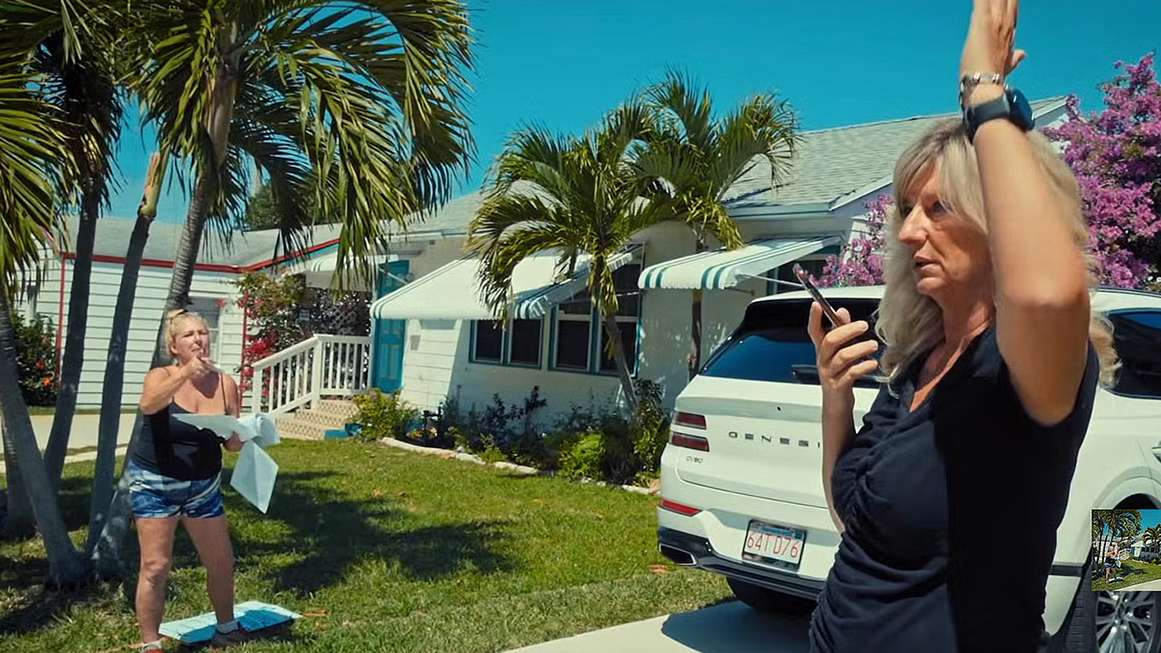
In HBO’s Neighbors documentary series, most conflicts are photographed and posted for public consumption.
The word neighbors conjures up images of neatly trimmed lawns, borrowed cups of sugar, and the comforting icons of Norman Rockwell and Mr. Rogers. The HBO series Neighbors exposes how far that ideal has frayed in a world saturated by constant surveillance and data collection.
Each episode tracks small disputes between local residents that quickly escalate into loud exchanges, legal actions, and sometimes far more dramatic outcomes. The lineup of characters includes a man who believes in elaborate conspiracies, someone who claims to have traveled through space, a TikTok performer in a cosplay persona, and an elderly nudist who runs an OnlyFans page. They come off as odd, irritable, and very American.
Within the show, almost every quarrel is captured and broadcast. The nosy neighbors deploy social media in cringe-inducing, intrusive fashion, sharing clips of disagreements over property lines and access to beaches. The rivals insist they want to move past their feuds, yet they relish checking their cameras for fresh violations to upload—and, in some instances, to monetize. These disputes turn into hobbies and side businesses.
Constant cameras amplify the hostility, and the adversaries drag each other before judges—such as TV’s Judge Judy—and town or neighborhood boards to seek resolutions. These local oddballs defend their rural-like homesteads, their tall, unappealing walls, and their public decision to exercise while in a thong. Yet many of them also construct micro-surveillance states to spy on neighbors.
