
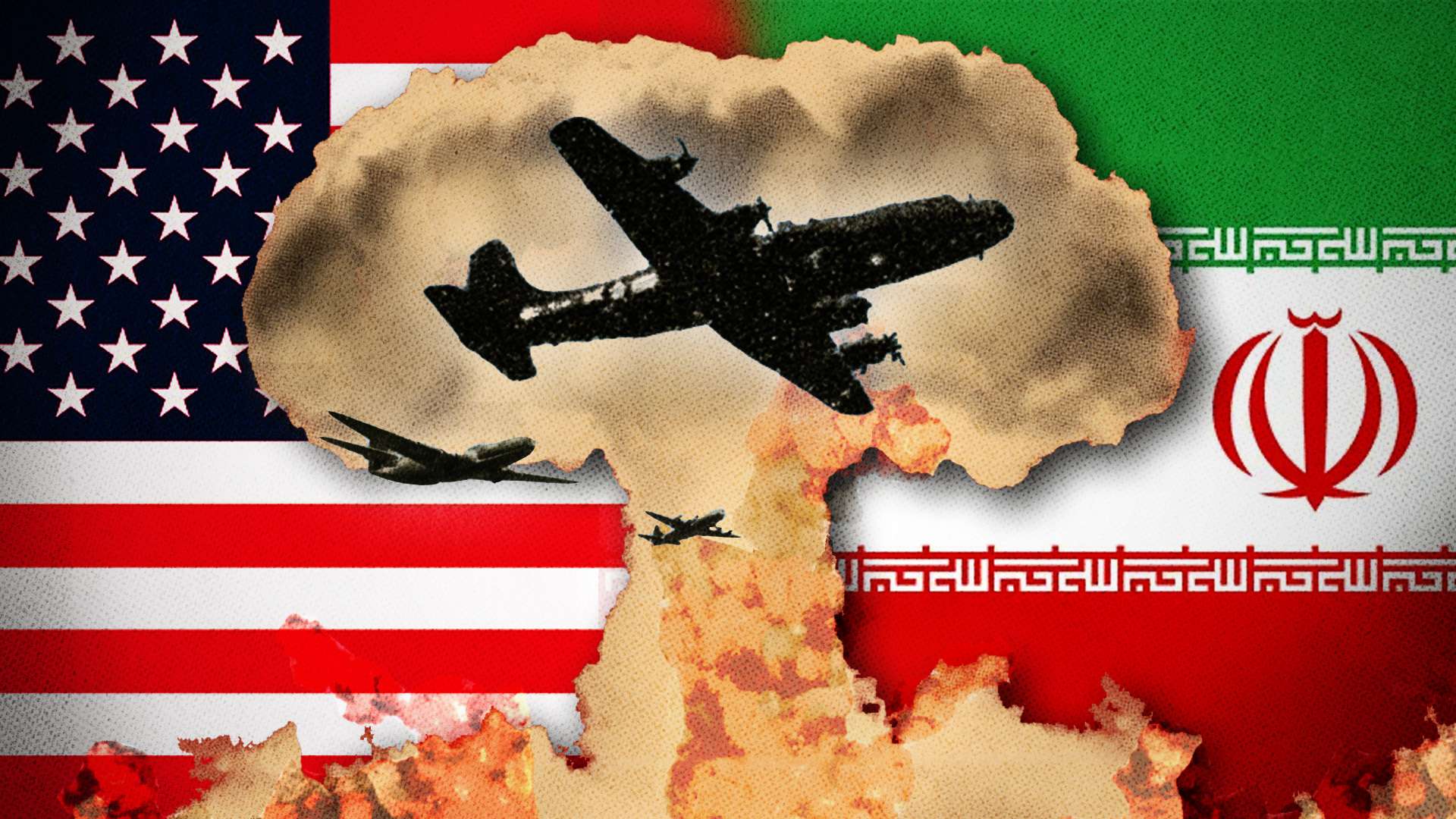
As the dispute surrounding the Hormuz Strait continues to drag on, the administration has placed its bets on a strategy that had already failed at the outset of the conflict.
President Donald Trump’s assault on Iran was explicitly pitched as a campaign to overthrow the regime. In the opening phase of the war, he addressed the Iranian people as “the great, proud people of Iran,” declaring that “the hour of your freedom is at hand” and warning that everyone tied to the government—from senior generals to traffic police—faced “certain death.” He later acknowledged publicly that he expected the Islamic Republic to crumble within days.
A little over a month into the fighting, with no sign of a quick Iranian collapse, Trump recalibrated his objectives toward extracting a favorable settlement and, in June 2026, the United States and Iran signed a peace memorandum. Yet after several more months of inconclusive hostilities—including a recent round of clashes and the bombing of an Iranian wedding on a Tuesday night—Trump has returned to calling for regime change.
“I’m not trying to force Iran to the bargaining table, as ABC Fake News claimed,” the president said in a post on Truth Social. “I don’t care at all whether they sign a deal that is meaningless to them. I prefer our current position, with near-total control of the Hormuz Strait and a collapsing economy on their side. They are merely playing out the inevitable. When will the Iranian people rise up and fight?”
The answer is that they already did. In the first weekend of January 2026, emboldened by promises of “help is on the way,” Iranians launched what would become the largest uprising in the history of the Islamic Republic, followed by the most violent crackdown the regime had experienced. The Human Rights Activists News Agency in Virginia, one of the few groups able to provide precise on-the-ground data from Iran, counted 6,800 fatalities among protesters and bystanders. Despite early U.S.-Israeli efforts to rekindle the revolt weeks later, the demoralized opposition largely stood down from the war.
Ehwen Chiako, a Kurdish rebel commander who had been recruited by the United States to spearhead an uprising, later told New Lines Magazine that their mission was framed to avoid a massacre of their own people.
The U.S.-Israeli campaign produced numerous casualties among Iranians who were supposed to rise up. In the war’s initial hours, American forces struck an elementary school in Minab and a high school girls’ volleyball practice in Lamerd, two towns on the Persian Gulf coast, killing more than 150 children. On Tuesday night, the Iranian Red Crescent reported that shrapnel from an American airstrike hit a wedding celebration in Kuhestak, a short drive from Minab, resulting in the death of a child and at least three other civilians.
Navy spokesman Capt. Tim Hawkins told reporters that he was “aware” of the reports and that the U.S. military never targets civilians. Yet footage from the scene showed fragments of a SLAM-ER, a U.S.-made missile, and the Australian consulting firm Armament Research Services informed the BBC of the evidence. The U.S. government also initially denied striking Minab and Lamerd before definitive proof emerged.
The wedding massacre was part of a broader U.S.-Iranian confrontation over the Strait of Hormuz, the gateway to the oil-rich Persian Gulf. After a month of quiet, the U.S. military bombed Iranian forces on an island preparing to mine the strait on Sunday, killing two. The following day, Iran retaliated by striking two Saudi tankers transiting the strait, killing two sailors. The day after that, both sides pressed heavy fire at each other’s bases. Washington also began a new “tanker for tanker” policy, allegedly retaliating for the loss of two Saudi tankers by destroying two Iranian tankers, according to Axios, citing U.S. officials.
By Wednesday afternoon, calm had returned to the region—at least for the moment. Yet the Iranian escalations appear to have achieved their aim of applying direct pressure on American decision-makers. The price of crude surged back toward wartime highs—Brent crude topping $96 per barrel and West Texas Intermediate around $92 per barrel on Tuesday night—raising the national average price of gasoline to roughly $4.12 per gallon.
Despite the show of bravado, the administration seems determined to bring this episode to a close as quickly as possible. The American public shares this sentiment; summer polling clearly indicated that many prefer an unfavorable peace to ongoing conflict. The regime-change stance was spurred by a report from ABC News alleging that the administration sought to tighten the blockade on Iran. The piece included a remark from Secretary of the Treasury Scott Bessent about attempting to “economically asphyxiate Iran and force them to the bargaining table.”
Bessent himself suggested to reporters that the threat of another uprising—and the bloodshed it would entail—was effectively another tool for bargaining with Iran. “Either the Islamic Revolutionary Guard Corps will turn on itself, the people will turn against them, or they will come to the table with a deal they can live with,” Bessent told reporters on Tuesday.
