
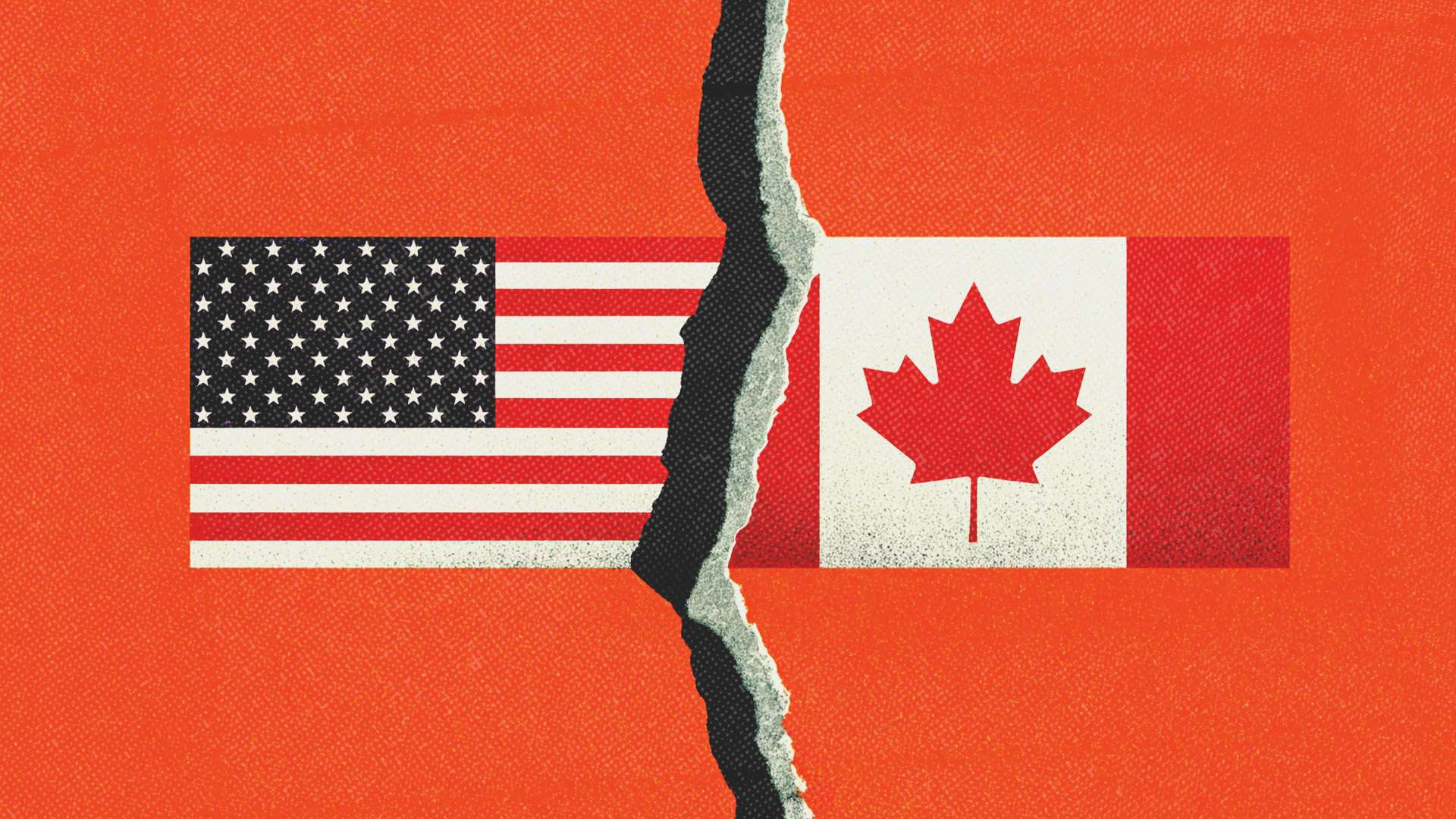
While the president eased the beef market rules, he simultaneously slapped 50 percent duties on roughly $20 billion worth of goods imported from Canada. This is a burden Americans will end up paying.
I will never grasp why President Donald Trump, who returned to power partly due to a spike in prices during former President Joe Biden’s lapse, would push for the costly tariff stance we have endured since early 2025. Yet here we are, with another reason to grumble about inflation and the cost of living.
Regrettably, the administration’s reaction to the mounting pressure is as unpredictable as its tariff strategy.
On one side, Trump lowered tariffs to help reduce beef prices, effective immediately this week. The White House acknowledged the link between tariffs and higher costs by explaining that beef prices had climbed “unreasonably,” and the fix was to temporarily import more of it at a lower tariff level. Analysts expect the relief—around 300,000 metric tons—to come largely from suppliers in South America.
Yet the same move that liberalized beef trade appears to have been lost on some observers. As he opened the market for beef, he also imposed fresh 50 percent tariffs on about $20 billion worth of Canadian goods, acting as if purchases from our nearest neighbor somehow hurt American consumers. Canada plans to respond in kind, with retaliation against American exports starting September 8. Items hit by the trade clash include steel, aluminum, dairy, appliances, agricultural equipment, pulp and paper, plastics, and electronics.
An economic war with Canada not only reinforces a political pain point for Americans who dislike tariffs, but it also runs against the goal of making goods more affordable. Research into the effects of Trump’s tariffs continues to shed light on the real-world impact.
Consider the latest study from economists at the Federal Reserve Bank of New York and Columbia University. Mary Amiti, Sebastian Heise, and David Weinstein examined who ultimately bears the burden of the tariffs, evaluating how much of the price increase is passed on to consumers at the border versus how much stems from other factors. Their estimate for a 10 percent tariff on all imports shows U.S. consumer prices rising by about 2.6 percent. Approximately two-thirds of that rise is passed directly to buyers at the border, with the remaining one-third appearing more gradually in the prices of domestically produced goods.
To put it plainly: raising tariffs on foreign goods also raises the prices of goods made in the United States. This happens partly because domestic producers pay more for imported components and materials, but it also occurs because domestic firms, facing less competitive pressure, often raise their prices simply because they can.
This finding adds to a growing list debunking protectionist arguments on three major fronts at once.
First, the claim that “foreigners pay the tariff” is hard to defend when the border tax translates into higher prices for U.S. consumers. Some protectionists who are more honest from an intellectual standpoint acknowledge this, even if that’s exactly what they want. They prefer the second claim—that higher import prices will coax American consumers to choose domestically produced goods. That may be possible, but we cannot dodge an import tax that shows up in domestic prices and contributes to bigger markups. Buying American does not actually shield us from rising costs.
Third, the assertion that tariffs benefit American manufacturing as a whole is questionable. For the average firm confronted with higher costs for both foreign and domestic inputs, tariffs accomplish little.
What remains is a tariff that functions as designed: a concealed, unavoidable import tax that makes imported goods more expensive, grants pricing power to favored domestic firms at the expense of consumers, and taxes domestic production that tariffs allegedly protect. Citing Yale University’s Budget Lab, Ramesh Ponnuru of The Washington Post notes that “Trump’s tariffs are costing American households an average of about $1,100 per year.”
Unfortunately, because domestic prices rise only after a delay, the affordability crisis is still unfolding.
We know what would help. The beef policy inadvertently supports the case for free trade. Now, apply that insight consistently.
If cheaper housing is the goal, avoid making Canadian lumber costlier. If more affordable cars and appliances are desired, do not tax steel and aluminum inputs. If American manufacturers are to compete, do not raise the price of intermediate goods. And if American exporters are to thrive, avoid provoking repeated retaliation from trading partners. In short, remove the tariffs.
COPYRIGHT 2026 CREATORS.COM
