
Plus: Talarico and Black turnout, an artist trial at the Vatican, hospitals use AI (for ill), and more…
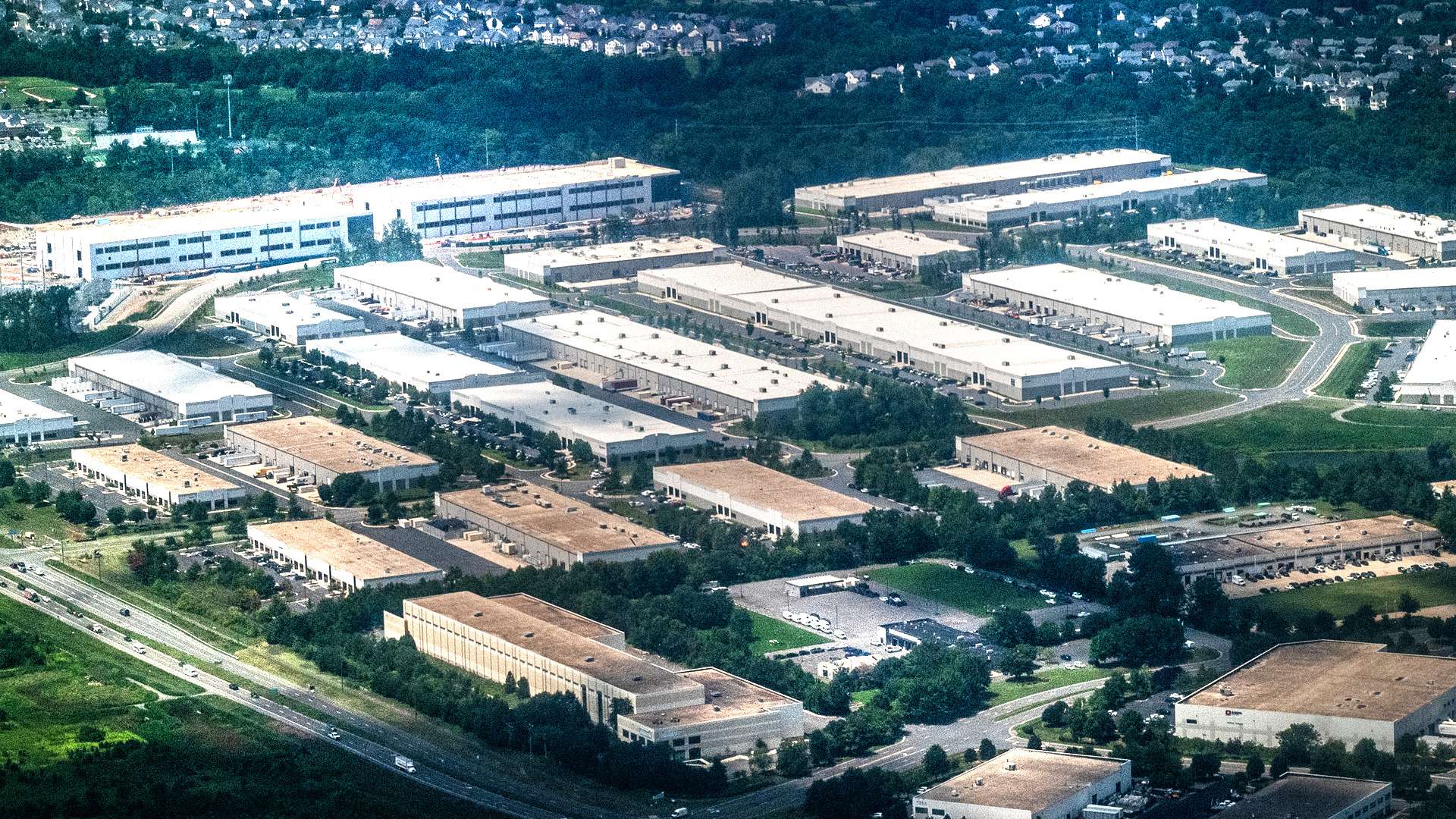
What if the simplest answer was to pay people off? In June, letters arrived from a major developer proposing $10,000 for every family in town, with no restrictions on how they spent it. The message read, essentially, “really, whatever you want.” The town in question was Hazle Township, in Pennsylvania, where NorthPoint Development aimed to erect a data center—the first of a planned fifteen—at the foothills of the Pocono Mountains. The developer’s projection was a $45 million payout to 4,500 households once the checks were issued.
That kind of money would be transformative for a place where the typical household brings in about $60,000 a year. Yet most residents have not embraced the cash offers, nor the more subtle incentives that have been dangled in their direction. The Wall Street Journal notes that data‑center developers are increasingly presenting towns and municipalities with multi‑million‑dollar packages that include funding for fire departments, emergency services, and schools. In Hazle Township, the persuasion even extended to underwriting rides at a local festival. “$10,000 isn’t going to compensate for the hit to my property value,” remarked a retired teacher quoted by the Journal, a sentiment shared by many others as NorthPoint has shifted from persuasion to pecuniary persuasion in its push for local buy‑in.
In short, this approach—simply handing out cash to those who would be affected—has grown more common as data‑center construction becomes a hot political issue in rural counties across the United States.
The Washington Post notes that the country currently hosts nearly 100 hyperscale data centers, each demanding at least 100 megawatts of peak power—roughly enough electricity to power some 80,000 homes. There are another 120 under construction, according to Cleanview, a firm tracking data‑center development, and 460 more are planned.
Remarkably, only about four in ten of these projects were completed on land that had already been developed; the remaining six in ten required clearing forests or working farms. With power grids a frequent sticking point for locals, more developers are proposing to generate their own electricity to avert the criticism that electricity costs will be passed along to residents. The downside is that such on‑site generation tends to drive up the size and footprint of the centers, consuming even more land, which means every gain comes with its own set of tradeoffs.
Scenes from New York: A fresh glimpse from the high tide in Red Hook, Brooklyn this morning (Saturday, September 26, 2026), during a Nor’easter. The surf was curling into Van Brunt Street, and water was spurting from sanitary pipes, flooding the street farther inland, says Nathan Kensinger, who is documenting sea‑level rise in New York City. Erosion worsened at Jacob Riis Park on the Rockaway Peninsula.
QUICK HITS
- Florida’s Brightline has filed for Chapter 11 protection after years of revenue that didn’t meet projections left it unable to repay billions borrowed for its Miami-to-Orlando private railroad project, Bloomberg reports.
- Texas counts more Black voters than any other state—about 2.7 million, per Pew Research Center—with sizable communities in Houston, Fort Worth, Dallas, and East Texas. If Democratic candidate James Talarico hopes to defeat Ken Paxton and win a U.S. Senate seat, he must mobilize Black voters broadly, a turnout challenge that has vexed both parties in Texas.
- British police announced that five men detained near the Fairford airbase, used by the U.S. to strike Iran, were all British nationals living in London. They were in their mid‑twenties and were arrested on suspicion of terrorism and explosive offences.
- The Catholic Church is weighing whether to remove artworks tied to the sins of their creator. At Lourdes’ Basilica of Our Lady of the Rosary, mosaics by Slovenian priest‑artist Marko Rupnik have been credibly accused by nearly two dozen women (including nuns) of sexual and physical abuse. The mosaics have been covered, and a discreet Vatican trial is underway, per The Washington Post. Lourdes remains a key pilgrimage site in Catholic devotion.
- Central Park death spiral watch:
The situation in Central Park has deteriorated—multiple robberies, a serious bicycle crash, assaults—and now a murder has been reported in a very short span of time, highlighting a troubling trend.
— Andrew Fine (@AFineBlogger) September 27, 2026
- A point worth considering:
It’s easy to hate insurance companies, but do you have the nerve to hate hospitals?
— Emma Camp (@emmma_camp_) September 27, 2026
