
Remember: the feds are almost always the ones behind it.
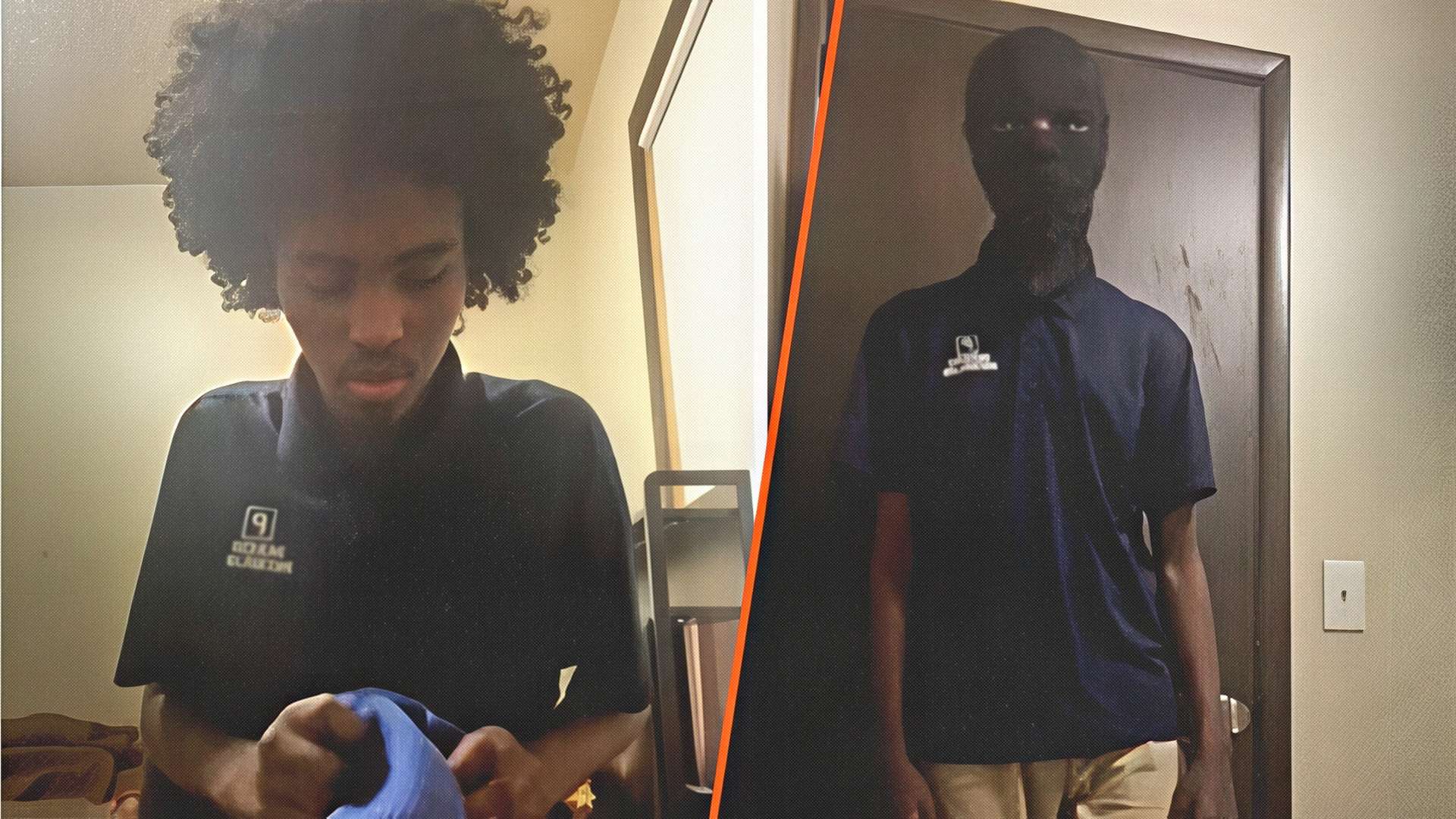
During a press briefing in Minneapolis last week, federal investigators revealed that FBI agents had apprehended a Minnesota teenager who allegedly planned to stage a mass shooting at the Mall of America.
Sheikhdoon Abdullahi Mohamud, an 18-year-old who was born in the United States to Somali parents, was taken into custody in a public park on October 6 by FBI agents after he purportedly handed an undercover officer—disguised as a member of the Islamic extremist group ISIS—$600 for an AK-47 rifle and 200 rounds of ammunition. The arrest marked the end of a two-year probe into Mohamud, who allegedly intended to carry out the attack at the sprawling mall on October 24.
Criminal filings allege that Mohamud exchanged hundreds of messages with a confidential FBI informant, expressing a desire to travel to Somalia to join ISIS. Lacking sufficient funds for the journey, he reportedly redirected his plans toward targeting the Mall of America, arguing it was owned by Jewish interests.
“I want to do this, I am very serious I don’t care about anything in the world, I am 100% committed to the cause of dying for the sake of Allah only,” Mohamud allegedly wrote in one message, according to the complaint.
Christopher Dotson, a special agent overseeing the FBI’s Minneapolis field office, stated at the briefing that Mohamud’s messages “document the idolization of ideologically motivated violence, a callous disregard for the sanctity of human life, a blind hatred of people of other faiths, and a cold commitment to carrying out his vision of violence in our community.”
As I discussed in a 2022 Reason magazine feature, “It’s (Almost) Always the Feds,” the FBI has long relied on a broad network of paid informants to locate and lure potential radicals into undercover sting operations.
The FBI’s Countering Violent Extremism (CVE) program, established in 2011 to curb domestic recruitment by foreign terrorist organizations, has concentrated considerable attention on Somali immigrant communities in Minnesota and beyond due to Somalia’s associations with ISIS and al-Shabab, two Islamic extremist groups.
An ISIS-affiliated account released a video in 2015 urging an assault on the Mall of America. In 2016, a Somali man in the United States on a refugee visa stabbed 10 people at a St. Cloud mall. Last year, a Minneapolis man faced charges for attempting to join ISIS.
Nevertheless, the type of young men who typically draw FBI attention often harbor grandiose, violent ambitions but have limited means to execute them. They are frequently unemployed or underemployed, sometimes still living with their parents, and socially awkward.
In one text exchange, the confidential informant inquired about Mohamud’s progress in school.
“It’s terrible, man, but I gotta keep going and if I fail it’s straight to killing the nonbelievers,” Mohamud allegedly replied, according to screenshots included in the criminal complaint. “And I’m already failing, so if I don’t pass in a year I’ll probably save up for a gun.”
The informant answered with the “grinning squinty face” emoji.

Mohamud continued to engage with confidential informants, praising terrorist attacks and sharing extremist propaganda videos, according to the filing. He did not own a phone, so he relied on his siblings’ computers and tablets to communicate with informants. Last month, he recorded a video pledging allegiance to ISIS on his younger brother’s iPad.
Despite ongoing criticisms from civil liberties groups that the FBI sometimes fabricates terror plots to trap young men who lack resources to act, the federal government has achieved numerous convictions, largely due to the high legal bar for proving entrapment.
The FBI’s use of paid informants and these sting operations has led to hundreds of convictions since 9/11, but it has also sparked lasting credibility concerns for the bureau, particularly when administrations leverage those cases to support political narratives.
For instance, in a 2024 address condemning political violence, former President Joe Biden cited theWhitmer kidnapping plot in Michigan. Yet, text messages and other documents uncovered by defense lawyers in that case indicated the scheme was largely manufactured and encouraged by paid FBI informants and their handlers at the bureau.
“We have a saying in my office,” one FBI special agent told a confidential informant in the Whitmer matter. “Don’t let the facts obstruct a good story.”
The CVE program and related counterterrorism efforts have also subjected tens of thousands of Somali refugees and other ethnic and religious minorities to intensified surveillance and infiltration by government informants, fueling distrust and fear, all based on a relatively small number of incidents. Reason contributor Eric Boehm wrote in 2018 about how Minnesota’s peaceful and enterprising Somali refugee communities had become a domestic front in the war on terror, as well as a microcosm of the national debate over immigration and national security.
None of this implies that the Mohamud investigation was unwarranted, nor that he would necessarily have obtained a firearm without FBI assistance. It also does not determine guilt or innocence, though he remains legally innocent until proven guilty. It serves as a reminder to examine the full context and await all details as the FBI announces another thwarted terrorist plot.
