
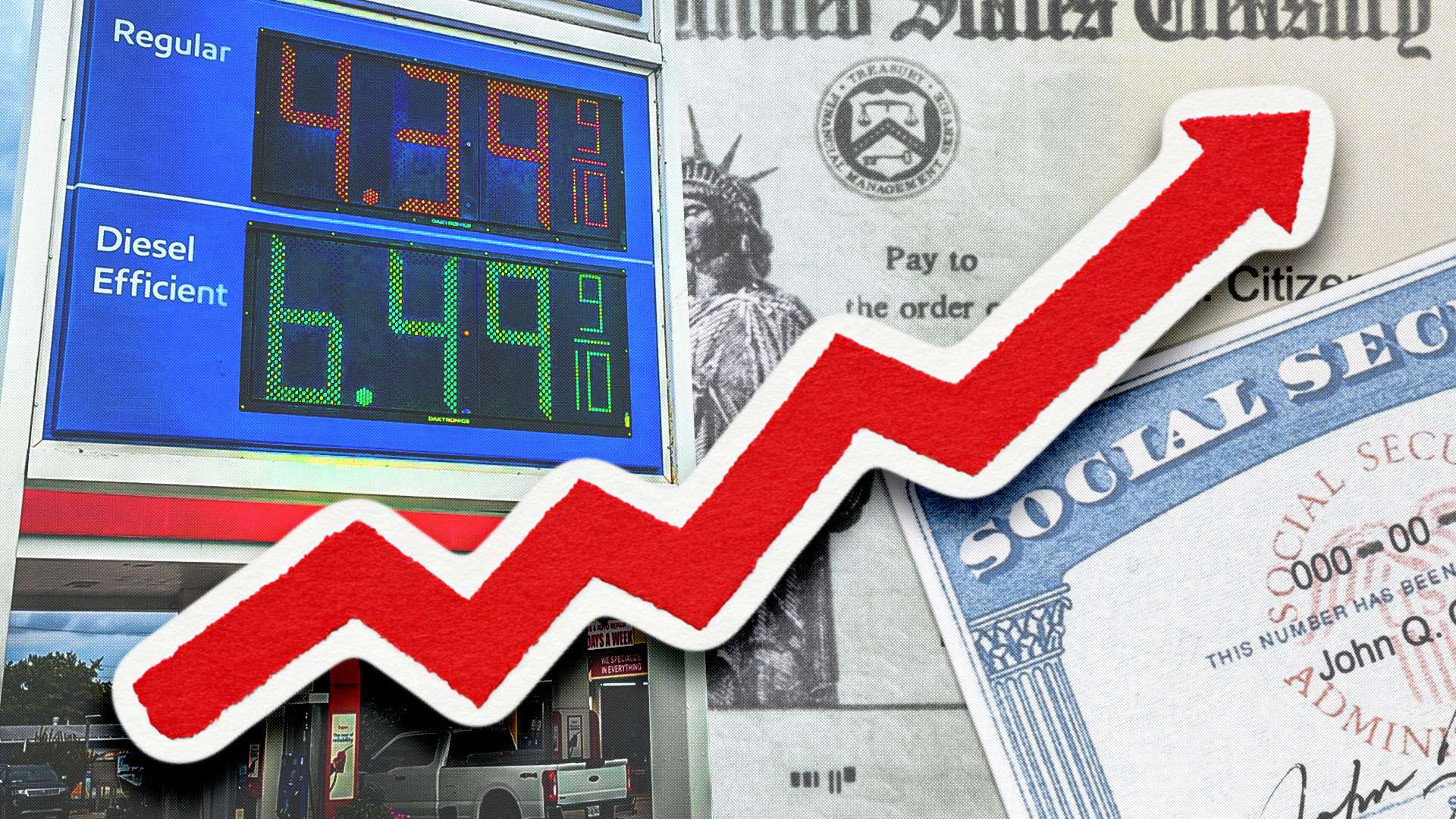
Lawmakers have not yet confronted a looming funding gap that could leave the retirement program unable to cover 22 percent of its scheduled benefits by 2032.
As the Social Security program nears insolvency, January will bring an uptick in benefits.
On Wednesday, the Social Security Administration (SSA) announced that retirees will see a 3.6 percent rise in Social Security benefits in the coming year. The adjustment, revealed shortly after the Bureau of Labor Statistics reported that consumer prices climbed by 3.7 percent from a year earlier in September, will translate to about $75 more each month for the average beneficiary. It also marks a cost-of-living adjustment (COLA) that is 0.8 percentage points higher than last year’s, which stood at 2.8 percent, and 0.9 percentage points above the projection made by the Social Security Trustees, according to the Committee for a Responsible Federal Budget.
“Social Security will implement this cost-of-living adjustment for 76 million Americans, giving them greater financial stability,” said SSA Commissioner Frank J. Bisignano in a press release. “Under President Donald J. Trump, Social Security is delivering better, faster, higher-quality service for the American people.”
Yet the announcement arrives amid a looming funding cliff for Social Security.
The program has been spending far more than it collects for years, driven largely by the U.S. demographic challenge: birth rates have fallen, life expectancy has risen, and there are fewer working-age individuals paying taxes to support retirees. In 2025, the program collected $1.45 trillion in revenue and disbursed $1.61 trillion, leaving a $160 billion gap. Trust fund reserves bridged the shortfall, but those reserves are quickly diminishing. In June, Social Security’s Trustees projected that, without legislative changes, incoming revenue would cover only 78 percent of scheduled retirement and survivor benefits by late 2032—a shortfall of 22 percent. The combined retirement and disability funds are expected to run dry by 2034. There are a handful of potential remedies, including raising the retirement age, trimming benefits, increasing the earnings cap, means-testing the program, privatizing it, or eliminating it entirely.
While a number of lawmakers have acknowledged the reality of the crisis, Congress remains split on how to respond. In August, Sen. Ron Wyden (D–Ore.) blocked a proposal from Sen. Bill Cassidy (R–La.) to establish a congressional process to review reforms, arguing that it would cut retiree benefits and help billionaires “avoid paying their fair share.”
“People are objecting to doing their job,” Cassidy complained in September. “Congress needs to fix Social Security this year.”
What makes Wednesday’s increase seem even less warranted is the fact that older Americans are already among the wealthiest segments of the population. According to the Federal Reserve’s latest Survey of Consumer Finances released last week, households headed by someone aged 75 or older had a median net worth of $504,900 in 2025, compared with just $33,000 for households headed by someone under 35. Despite their relative affluence relative to working-age individuals, retirees are receiving a COLA that outpaces the typical worker, whose wages have risen by 3 percent over the past year.
For the most wealthy beneficiaries, the 2027 COLA will represent a substantial uplift. The Committee for a Responsible Federal Budget notes that the highest-earning couples who retired this year will see a combined increase of $3,600, meaning their total benefits will surpass $100,000 next year. However, in the absence of congressional action, Social Security recipients could face a 22 percent reduction that, by 2032, would erase the gains from nearly a decade of COLAs all at once.
Despite repeated warnings about the program’s financial decline, Congress has yet to implement reforms designed to avert the looming shortfall. For now, beneficiaries can anticipate larger checks in January, even as the program edges closer to a point where it can no longer fulfill the promises it has made.
