
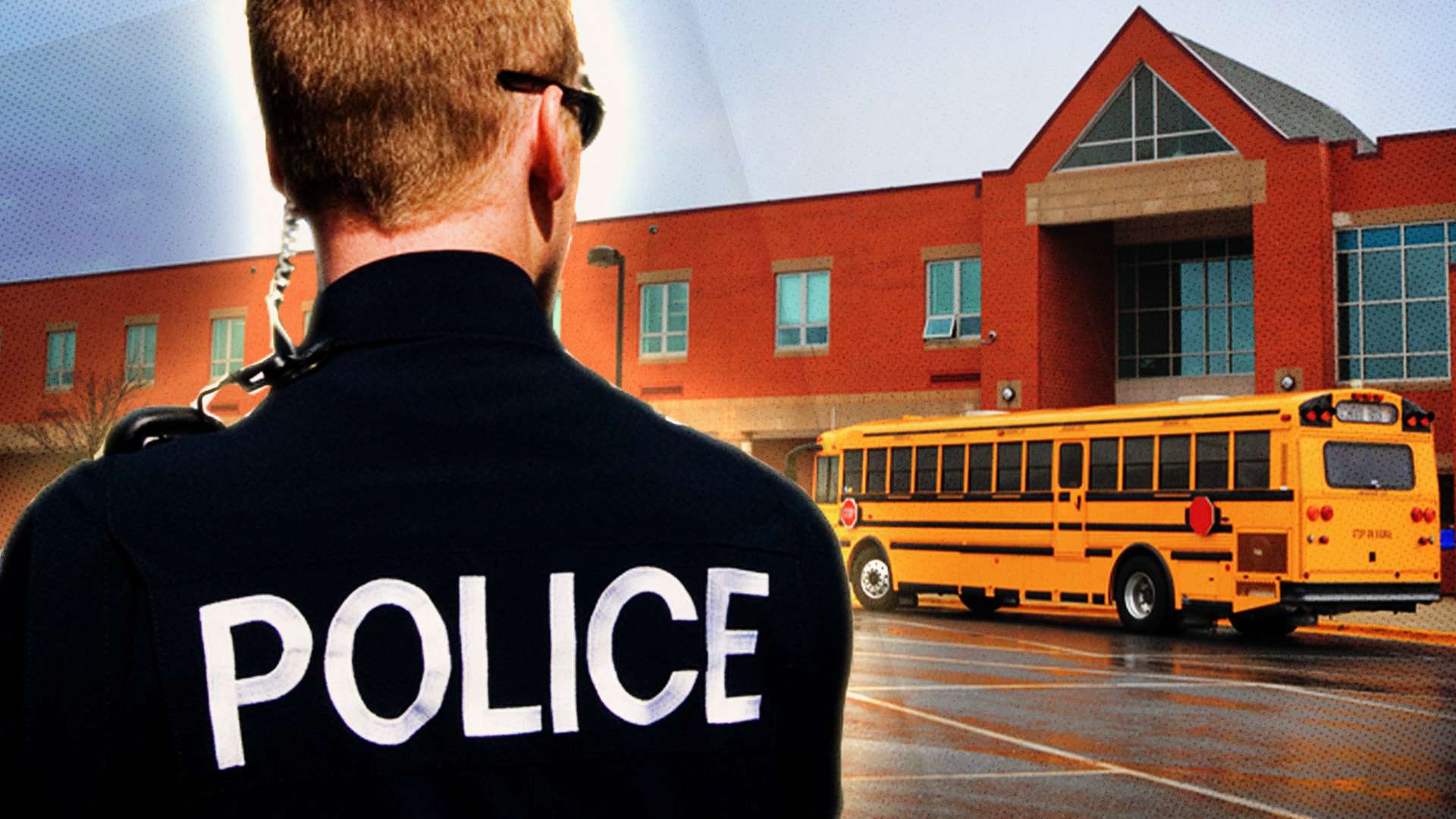
A journalistic investigation found that referrals to the criminal justice system for Texas schoolchildren aged 10 to 13 rose in step with a ballooning cadre of school resource officers.
During the last ten years, Texas SROs referred tens of thousands of elementary and middle school students to the criminal-justice process for comparatively minor misbehavior, according to a journalistic inquiry.
A collaborative analysis by The New York Times and the San Antonio Express-News determined that the growth of SROs in Texas coincided with more than 47,000 referrals of 10- to 13-year-olds for school misbehavior since 2014. A referral does not automatically lead to formal charges, yet every referral means a child enters the police purview and connects with the criminal justice system, with potential lasting effects on schooling, wellbeing, and finances for the child and their family.
“Most of the students were accused of minor offenses, like making threats, using cannabis vapes or lashing out at classmates or teachers,” the papers reported. “Few caused serious physical harm.”
The reports cited examples including an 11-year-old who bumped into a school counselor, a 10-year-old who said he saw someone on campus with a weapon, and a 10-year-old who kicked an assistant principal after his cellphone was confiscated.
In one case, a 12-year-old girl who refused to go to the principal’s office was handcuffed, arrested, and driven to the school police headquarters. “When she would not put her hand on a fingerprint machine, officers twisted her opposite arm behind her back until she screamed and complied, according to body camera footage,” the outlets reported.
The analysis found that referrals of children 10 to 13 increased by a greater percentage than referrals of older students. (Children under 10 cannot be prosecuted under Texas law; many other states don’t set a minimum age for delinquency.)
The two outlets published another joint investigation in May on how SROs in Texas schools have used heavy-handed tactics, including Tasers and pepper spray, against students over seemingly minor misconduct.
The findings mirror other recent studies. A report published in July by the American Civil Liberties Union (ACLU) of Iowa found that, while SROs were placed in Iowa schools to keep students safe from violence, the threat they most commonly dealt with was illicit vaping.
The number of police in schools nationally dramatically increased in recent years, growing by 23 percent at high schools, middle schools, and elementary schools between 2018 and 2021, largely under the justification of stopping mass shootings and handling violent situations.
Organizations like the National Association of School Resource Officers (NASRO) say that carefully selected, well-trained officers act as a filter and decrease arrests by building strong relationships within the school with staff and students.
Civil liberties groups and disability advocates have long argued that increases in school police and zero-tolerance policies for petty disturbances have fueled the “school-to-prison” pipeline and led to disproportionate enforcement against minorities and students with disabilities. Those groups have been aided by viral news stories of police arresting and assaulting school children.
Following the police killing of George Floyd in 2020 and national calls for police reform, several major school districts across the country ended their SRO programs.
However, several states that experienced horrific school shootings, like Florida and Texas, moved in the opposite direction, passing laws that required police officers or armed guardians in public schools.
A 2020 Reason investigation described how Florida schools had become a high-stakes experiment in policing after Florida more than doubled the number of SROs across the state following the mass shooting at Marjory Stoneman Douglas High School in 2018. A study published in 2020 found that after the increase, the number of Florida school arrests—which had been declining for years—suddenly started to rise. There was also a sharp increase in the use of physical restraint against students.
A 2021 working paper by the Annenberg Institute at Brown University, which billed itself as the broadest and most rigorous examination at the school level of how SROs impact student outcomes, found that while SROs “do effectively reduce some forms of violence in schools,” they did not prevent school shootings or gun-related incidents.
Another study by researchers at the University of Maryland and the firm Westat, who studied several dozen middle and high schools in California, found that increasing the number of SROs led to both immediate and persistent increases in the number of drug and weapon offenses and the number of suspensions and expulsions of students.
