
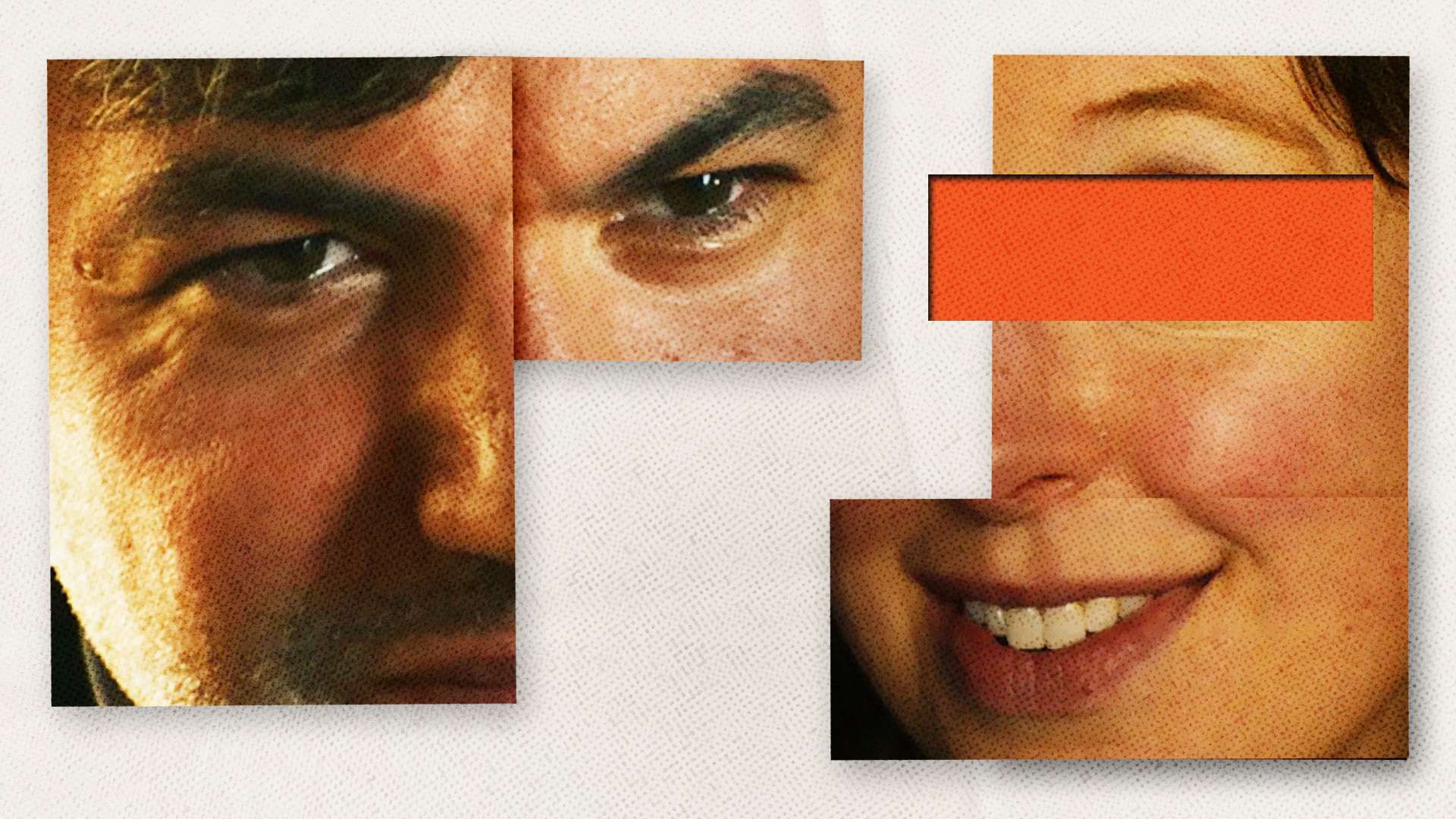
Elizabeth Holmes’s documentary, You Can See Everything, directed by Nathan Fielder alongside Lance Oppenheim for A24, stands out as a profoundly unethical work of cinema.
Is Fielder driven by a desire to birth something truly innovative and meaningful, or is his principal concern simply turning a profit?
That conundrum frames the central inquiry of You Can See Everything, the new documentary from A24 co-directed by Fielder and Oppenheim, which centers on Elizabeth Holmes, the Theranos founder and convicted fraudster currently serving time in federal prison.
As the film unfolds, however, that question increasingly turns into an introspective mirror aimed at Fielder himself.
You Can See Everything was pitched as an intimate portrait of Holmes’s everyday life, her romantic partner Billy Evans, and their two children in the final days before she begins an 11-year prison term.
In reality, that pitch only accounts for the first half of the nearly three-hour film, which places Fielder and his crew inside Holmes and Evans’s cramped San Diego beach house during the month leading up to Holmes’s incarceration.
In the opening stretch, we do see everything—Holmes making breakfast for the kids, conferring with lawyers about last-minute appeals, and Evans appearing in vulnerable, private moments—as Fielder, in his signature meta-comedic voice, probes a long-debated question about Holmes: Were the Theranos lies about diagnostic machines merely a scam to defraud investors, or did she truly persuade herself that these falsehoods were white lies in the service of a grand, potentially world-changing technology nearing realization?
Then, after about 90 minutes, Holmes checks into prison, and the documentary’s principal subject recedes from view. The spotlight shifts to Evans and the possibility that he bears sole responsibility for a fresh, ethically dubious scheme in which Holmes has become entangled.
In a Fielderan reenactment, the film reveals to the audience that Evans conditioned access to both him and Holmes on a share of the movie’s profits, a detail that hands the film a troubling ethical wrinkle.
Any documentary ethicist would balk at such a demand.
Subject matter being economically disinterested in the films they appear in is what separates genuine documentaries—meant to truthfully reflect real life—from fiction and polished public-relations puff pieces.
Astonishingly, Fielder, Oppenheim, and A24 eventually relent to Evans’s insistence on a cut of the film’s profits.
Once this compromised arrangement is in place, You Can See Everything then pivots to interrogating whether Holmes knew she would financially benefit from the project or if this was a deal Evans secured without her awareness.
Fielder asserts that the answer will illuminate whether Holmes views herself as a transformative inventor or simply as someone chasing money.
He makes this point directly to Evans in an on-camera confrontation and in a reenactment of his unfilmed meeting with Holmes in prison. By accepting remuneration for the documentary, the two participants undermine the argument that Holmes is more than a money-obsessed fraud, he contends.
And by relinquishing their rights to the back-end profits, they would be better positioned to evoke audience sympathy for the claim that Holmes’s motives extended beyond financial gain.
As a modest observer, I found the investigative arc somewhat tedious. It seemed almost obvious from the outset that Holmes was involved in the plan to secure compensation for the documentary from the start.
Moreover, the dispute strikes me as largely beside the point. Once the deal to share profits with Evans was sealed, the documentary was irrevocably altered into an elaborate scam. The lingering question becomes which side ends up looking gullible—the subjects on screen or the audience watching them.
When Fielder presses Evans and Holmes to surrender their profits, he ceases to be a detached explorer of the couple’s psyches and becomes an economically invested player urging business partners to cede money they were contractually promised, lest they risk public embarrassment in the film he is making.
If Fielder fails to secure the concessions, viewers are left with the knowledge that a portion of their ticket money goes to a convicted fraudster. If he succeeds, more of the film’s proceeds remain with its creators.
A documentary about con artists becoming con artists would hardly be out of keeping with Fielder’s sensibility.
Fielder’s projects frequently privilege a deliberate, escalating blur between art and reality. Take, for example, the second season of The Rehearsal, where an investigation into airline pilots’ mental well-being culminates in Fielder becoming a licensed 737 pilot while awaiting an autism diagnosis.
A comparable thread runs through the connection between the documentary’s themes and co-director Oppenheim’s recent feature Primetime, which examines the making of the reality show To Catch a Predator. The film likewise demonstrates how TV producers script reality and manufacture crimes to bolster a program that is ostensibly meant only to document them.
You Can See Everything performs a similar maneuver. Its probing of Holmes’s motives prompts serious questions about the filmmaker’s own integrity. Perhaps this is a masterful instance of meta-commentary on the unreality of documentary filmmaking.
Ultimately, however, the outcome may not matter. The undeniable reality is that Fielder struck a skewed bargain to finance his film and then leveraged his position as a director who “sees everything” to deprive others of money they had rightfully been promised.
One can imagine that the victims of Holmes’s Theranos fraud will find You Can See Everything a frustrating experience. After all, this woman defrauded them of hundreds of millions of dollars, and their precise motives for doing so may hold little appeal to them in retrospect.
Personally, I share a sense of disappointment as a paying viewer of this ethically tangled undertaking.
