
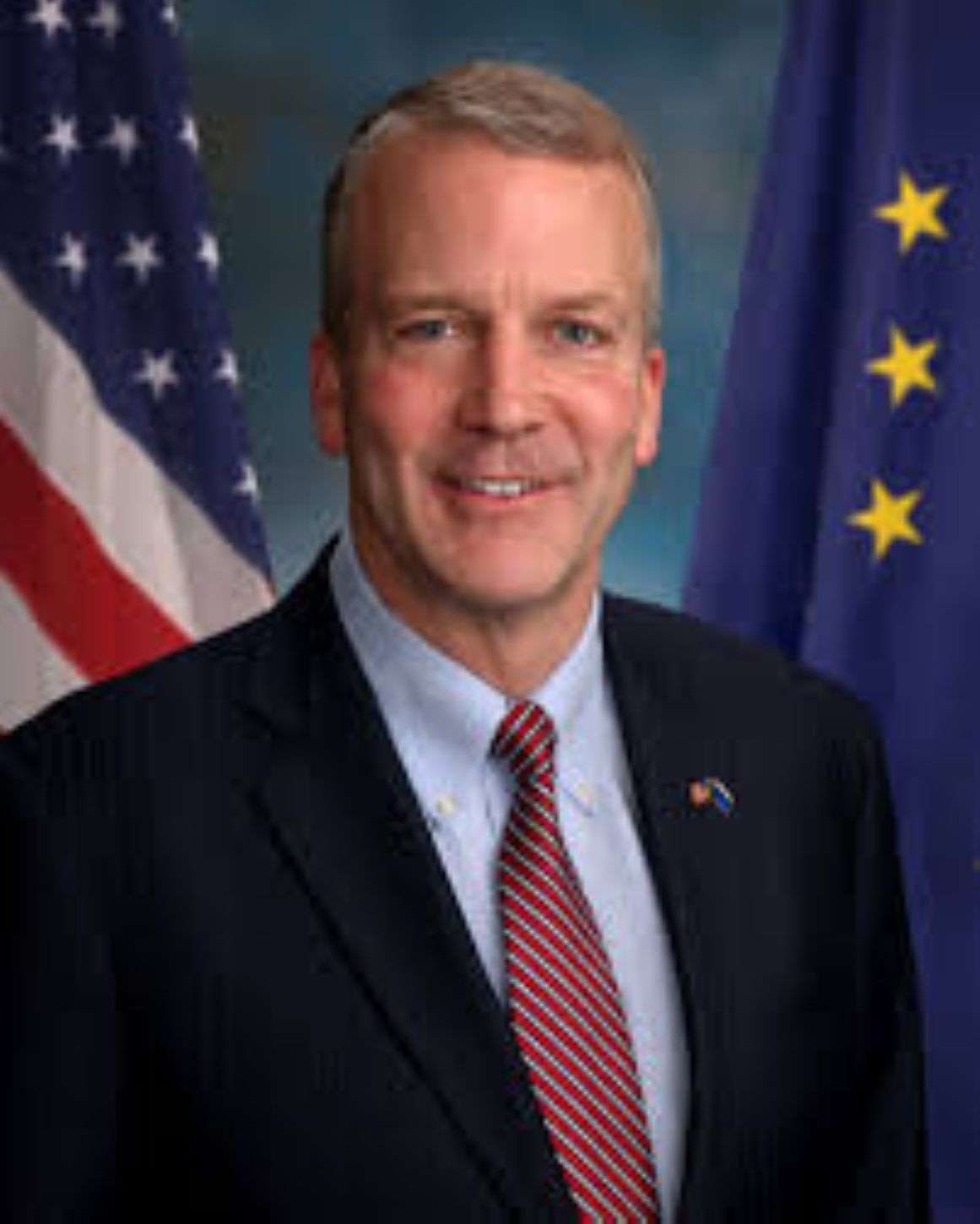
A federal district court rejected the Trump administration’s attempt to block the certification of Alaska’s Senate election results by ruling that the government lacked legal standing to pursue the case. Yet the decision also underscores several significant substantive flaws in the administration’s position.
Sen. Dan Sullivan (R-Alaska) stands at the center of the dispute. In United States v. Alaska, Judge Sharon Gleason held that the United States could not advance the suit to halt the certification process on the ground that doing so might be required to prevent voter confusion arising from two candidates with nearly identical names appearing on the ballot. As I have noted before, the two names at issue—Dan J. Sullivan and the incumbent Dan S. Sullivan—could, in fact, be easy to confuse for voters. The New York Times has reported indications that Democrats may have actively recruited Dan J. Sullivan to run in order to siphon votes away from Dan S. Sullivan on this particular matter. The court’s decision focuses on the standing requirement and, in particular, on “redressability.” The remedy proposed by the administration—holding back certification until the federal government could further investigate the situation—would not actually fix the injury caused by voter confusion, and it could not be done while preserving the secrecy of ballots required by law.
Judge Gleason also stresses that the remedy the federal government seeks would intrude upon state government powers and could generate more voter confusion than it would prevent. The court cites the Supreme Court’s consistent warning that lower federal courts should not alter election rules on the eve of an election. Such last-minute, court-ordered changes to election rules can lead to voter confusion and discourage participation at the polls, thereby undermining confidence in the integrity of the electoral process—an essential element of our participatory democracy.
The United States contends that it is not seeking to alter Alaska’s election timing, location, or method—powers that constitutionally rest with the state. Nevertheless, the government seeks judicial orders that would, in effect, prevent the state from certifying the election if certain circumstances arise; compel the state to segregate and preserve particular ballots; and authorize federal investigators to probe the intent of voters who cast ballots for Daniel J. Sullivan. Taken together, these requests arguably touch on the timing, location, and method of Alaska’s election—matters squarely within the state’s remit, not the federal executive branch. If a court were to order the segregation of ballots and a future, unspecified investigation by law enforcement, the result would likely be increased voter confusion and a discouragement of turnout. In short, such late-stage changes to election rules are strongly disfavored.
Beyond these procedural concerns, the case also warrants examination on its substantive merits. I have outlined several of the reasons in earlier commentary (and, for those seeking a deeper dive, the matter has drawn the attention of prominent election-law scholars who have filed amicus briefs). Put plainly, there is no federal statute that grants the administration the authority to block the certification of election results merely on the grounds of voter confusion. Democrats, in this framing, are central to the debate because they have sought to persuade voters through deceptive tactics or misrepresentation—even if, practically, the likelihood that such tactics would swing the outcome in Alaska is relatively small given the ballot design and the overall structure of the state’s election system. Still, as explained in prior analyses, this is far from the most troubling or consequential example of exploiting public cynicism or misinformation in policy debates. The issue at hand is broader than any single election result.
Today’s ruling is subject to appeal. However, the likelihood of reversal by the appellate court or by the United States Supreme Court appears slim, at least based on the current record and controlling principles. The decision stands as a clear reminder that, even when there are concerns about voter conduct or ballot design, federal courts are reluctant to intervene in state-led election administration in the manner proposed by the administration.
