
Sports topics appeared on the ballot in both direct measures and through the broader surge of ex-athletes pursuing public office.
Hello and welcome to another edition of Free Agent!
We’ve prepared a special bonus issue of this newsletter, zeroing in on the outcomes of a range of sports-related ballot measures and the athletes who sought elected positions.
This isn’t a fully comprehensive rollup—don’t come at me for missing Abdul El-Sayed (who played club lacrosse in college) or an NFL punter I can’t recall who ran for state legislature. Final vote tallies may shift slightly as results keep arriving.
Don’t miss sports coverage from Jason Russell and Reason.
We’ll begin with the ballot initiatives since they have a more immediate impact on sports-related policy.
Stadium taxes: In Plano, Texas, residents rejected a series of tax hikes intended to help fund a new development, including a venue for the Dallas Stars. The measures would have raised hotel taxes by 2 percent, car-rental taxes by 5 percent, a $3 per car event-parking levy, and as much as a 10 percent surcharge on ticket prices. Each game at the proposed arena would have triggered a $5,000 “facility-use tax” on athletes as well.
In Inglewood, California, the vote on a broader ticket-tax plan for SoFi Stadium, Intuit Dome, and Kia Forum was razor-thin—about 50.76 percent voting no, though ballot counting continued. Likewise, in McKinney, Texas, the school district sought a $2.5 million bond to upgrade its 12,000-seat football stadium. Opponents prevailed, with nearly 70 percent voting against.
Transgender athletes: Nebraska approved a ballot measure with 68 percent support that requires public and private schools competing against public institutions to assign sports teams by biological sex (coed is still an option). A similar move in Colorado appears likely to pass but is currently at about 52.7 percent support with most votes tallied. Arizona already has a statute of this kind for K-12 public schools, but Proposition 318—approved with 59 percent—extends it to private schools, colleges, and athletic facilities (like Little League). In Washington State, Measure 638 bans similar practices, passing with 57 percent. The new law requires female athletes to present sex-verification documents from a physician or health provider.
Online sports betting: Two ballot measures in Nebraska aimed at legalizing online betting failed, each drawing about 55 percent against. The state already permits sports wagering at physical, in-person venues.
Sporting goods tax: Colorado voters considered Proposition 137 to divert a portion of the sales tax on sporting goods toward environmental conservation. With roughly 87 percent of ballots counted, the measure was narrowly ahead at 50.8 percent.
Sales tax for stadium rail: Several Colorado municipalities approved Proposition 7A, creating a 0.333 percent sales tax in those cities to fund a passenger-rail network that will serve, among other sites, the state’s major sports venues.
Naturally, federal legislation wasn’t included on the ballot, but with Democrats now holding a large share of Congress in January, odds are they won’t back the carefully negotiated Protect College Sports Act in its current draft. They could simply wait for January to seek a more favorable arrangement (though passing it would still require President Donald Trump’s signature unless some GOP cooperation overcomes a veto).
“If you want a quote, here it is,” the aide said, “the NIL bill is dead on f****** arrival.”
It’s time for college sports to move on from the PCSA. https://t.co/bQrf5FEcM2
— Mit Winter (@WinterSportsLaw) November 5, 2026
Now for the athletes who sought political office:
Senate
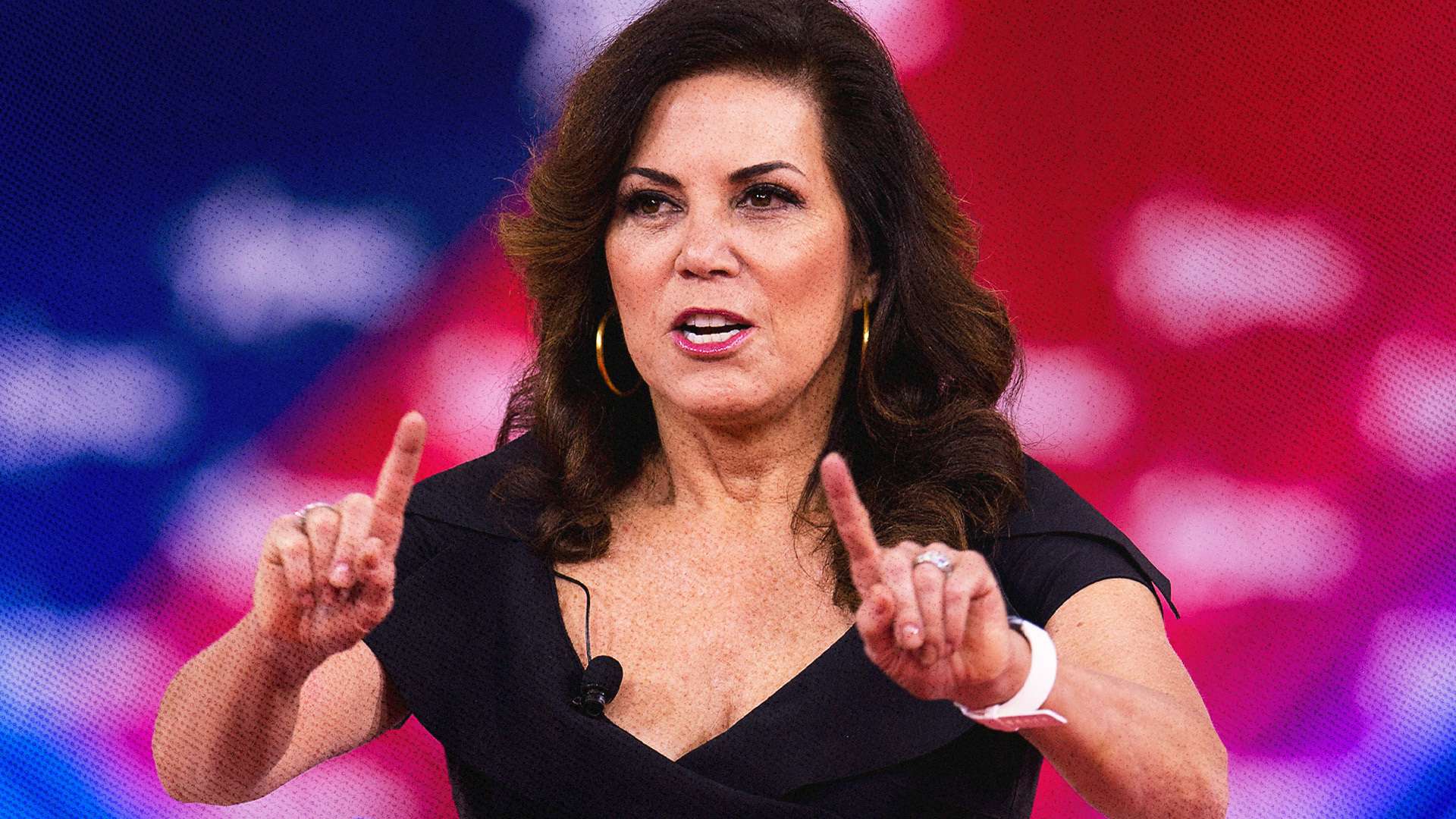
Minnesota Senate: Former NFL sideline reporter Michele Tafoya, running as a Republican, fell short, securing 44 percent of the vote.
Iowa Senate: Josh Turek, a Paralympian who relies on a wheelchair, earned two gold medals with the U.S. men’s national wheelchair basketball team. On Election Day, he won again as a Democrat, receiving 51 percent.
Nebraska Senate: The current senator Pete Ricketts, a Republican, captured 50 percent of the vote. The Ricketts family—led by Pete’s father—owns the Chicago Cubs baseball franchise.
New Jersey Senate: Incumbent Cory Booker, a Democrat, is now widely recognized as a senator, not just a former Stanford tight end, and he won reelection with 62 percent of the vote.
Governor
Alabama Governor: Senator Tommy Tuberville, a Republican, chose to run for governor rather than seek the Senate again, and he prevailed with 52 percent. Tuberville is a storied former college football head coach, leading programs at Ole Miss, Auburn, Texas Tech, and Cincinnati across two decades.
Massachusetts Governor: The incumbent Maura Healey, a Democrat, won reelection with 62 percent. Healey starred as a co-captain of Harvard’s basketball team and spent two years playing professional basketball in Europe during the 1990s.
Nebraska Governor: The current governor Jim Pillen, a Republican, kept his job with 51 percent of the vote. Pillen was a defensive back for Nebraska under Tom Osborne and earned a spot in the university’s Football Hall of Fame well before entering politics.
Vermont Governor: The incumbent Phil Scott, a Republican who has also claimed lower-tier stock-car racing titles and competed as recently as 2022, was reelected with 53 percent of the vote.
House of Representatives
Ohio’s 4th Congressional District: The current representative Jim Jordan, a Republican, won reelection with 64 percent of the vote. He announced on Wednesday a bid to become the Republican minority leader in the new Congress. Jordan earned two national wrestling championships in the 1980s, later served as an assistant coach, and faced accusations of enabling sexual misconduct (which Jordan denies).
Minnesota’s 6th Congressional District: The incumbent Tom Emmer, who serves as the Republican House Majority Whip, won reelection with 56 percent. Emmer grew up in Minnesota’s hockey hotbed and played college hockey at Boston College and the University of Alaska Fairbanks.
Arizona’s 1st Congressional District: Former NFL kicker Jay Feely, running as a Republican, was defeated with 45 percent of the vote. He lost to Amish Shah, who previously worked as team physician for the New York Jets during Feely’s tenure with the club.
Kansas’ 3rd Congressional District: The current Democrat Sharice Davids, who briefly pursued mixed martial arts professionally, won reelection with 60 percent.
Massachusetts’ 3rd Congressional District: Incumbent Lori Trahan, a Democrat, held on with 67 percent. Trahan played volleyball for Georgetown and is inducted into her high school’s Athletic Hall of Fame.
Minnesota’s 8th Congressional District: The Republican Pete Stauber won reelection with 53 percent. Stauber played on the Lake Superior State University hockey team that captured the national title in 1988 and later played in the minor leagues, never reaching the NHL.
Texas’ 4th Congressional District: The Republican Pat Fallon, who was part of Notre Dame’s 1988 national championship squad under Lou Holtz, won with 56 percent.
Texas’ 21st Congressional District: The baseball icon Mark Teixeira, running as a Republican, carried this district north of San Antonio with 55 percent. (A nod to automatic home runs in the annual Congressional Baseball Game, perhaps?)
Texas’ 33rd Congressional District: Colin Allred, who had a brief stint with the Tennessee Titans, won this Dallas-area seat with a striking 79 percent and sits as a Democrat.
Now a few names you might recall from campaigns who didn’t advance past the primaries:
- Former college football coach Derek Dooley and former NBA first-round pick Royce White (both Republicans) were at one point in the running for Senate (Georgia and Minnesota, respectively), but were eliminated in primaries earlier this year.
- The father of Cubs third baseman Alex Bregman ran for governor of New Mexico but exited in the Democratic primary.
- Tiffany Glenn Burress, spouse of NFL legend Plaxico Burress (often ranked among New York Giants’ notable players), ran for Congress as a Republican in New Jersey but fell short in the primary.
</div>
Natalie Foster
I’m a political writer focused on making complex issues clear, accessible, and worth engaging with. From local dynamics to national debates, I aim to connect facts with context so readers can form their own informed views. I believe strong journalism should challenge, question, and open space for thoughtful discussion rather than amplify noise.