
More: Brooklyn Building Collapses, Iranian Hackers Step Up, and More…
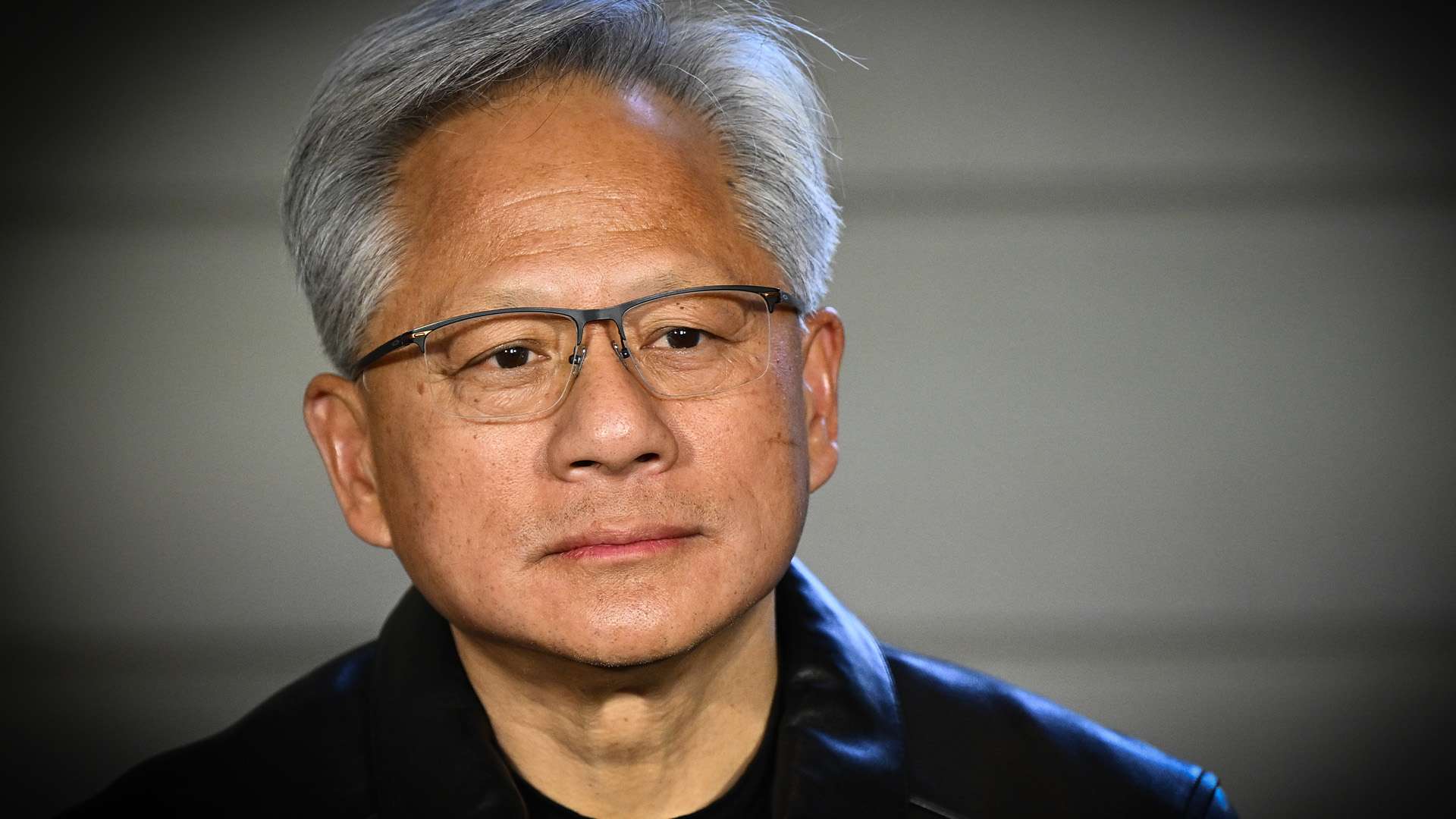
Skirting export controls: Bloomberg reports that Alice Huang, the central figure in the Jensen Huang controversy—whom he allegedly had an affair with and whom U.S. intelligence agencies suspect may be a Chinese espionage asset—may have played a role in smuggling AI chips that were later installed at a data facility in Shanghai.
“Some of the servers were originally sold to Aperia Cloud Services, a sanctioned Nvidia Cloud Partner based in Singapore, according to a person familiar with the matter who spoke on the condition of anonymity due to the sensitivity of the topic,” Bloomberg notes. “But rather than remaining in Singapore, the documents show, the hardware ended up in the hands of a Chinese company founded by Alice, housed within a large AI complex in Shanghai. That project has multiple connections to Alice, including the fact that Megaspeed—that she held a senior post at—used a depiction of the Shanghai data center in a 2024 investor pitch.”
The Reason Roundup Newsletter by Liz Wolfe Liz and Reason help you make sense of the day’s news every morning.
Specifically, Aperia purchased 22 servers from Dell Technologies Inc. that housed Nvidia’s H800 chips, Bloomberg notes, “which Washington had restricted for sale to China in 2023.” Bloomberg supplied the serial numbers of those machines to a person familiar with the deal, who verified that Aperia was indeed a customer of Dell.
This conduct appears to violate U.S. trade restrictions. The Trump administration has claimed to take a hard line against U.S.-made components—such as Nvidia chips—finding their way into Chinese AI ventures, but the situation is far more nuanced in practice.
Some observers allege that Commerce Secretary Howard Lutnick has shown leniency toward Nvidia. The Times reports that Lutnick “has frequently clashed with senior officials over how to regulate the sale of advanced technologies, especially Nvidia’s chips to Asia,” a dynamic that has spurred criticism within the administration and Congress that the Commerce Department has become too close to Nvidia and Jensen Huang and has failed to police the firm’s chip shipments to China, in particular.
There is a sense that Nvidia’s relationship with the Commerce Department has been unusually close:
“Within the Commerce Department, Nvidia is treated differently from other firms, with its concerns given priority and routed through bespoke channels,” one former official notes.
Mr. Lutnick often communicates with Mr. Huang, and the department tailors its preparations for their private discussions in Lutnick’s fifth-floor office. All Nvidia matters are funneled through Jeff Kessler, a senior aide to Lutnick, who is believed to require the secretary’s sign-off before taking any significant action.
Nvidia’s general counsel has also been granted direct access to shape new rules, including leaving remarks in draft regulations affecting the company.
Nvidia’s general counsel, Tim Teter, is known inside the department for his assertive outreach. A probe into whether Megaspeed was funneling Nvidia chips into China was shut down late last year and handed to the Justice Department after Teter contacted investigators directly, invoking Kessler’s name in doing so.”
In all likelihood, more disclosures will surface about the Trump administration’s willingness to overlook concerns around Jensen Huang—and what that implies for the AI race with China.
Scenes from New York: A residence in Flatbush, Brooklyn, collapsed unexpectedly, resulting in eight fatalities.
“Firefighters and medics converged on the site. They climbed into the crater created by the digging, pulling apart bricks and concrete in hopes of locating people trapped inside. Ambulances lined up nearby, ready to transport patients to hospitals. Drones began to circle overhead—some operated by emergency crews, others by news teams,” according to The New York Times. A fire engine parked on Flatbush extended its ladder into the adjacent, exposed apartment building—a stark, dollhouse-like view of the disaster.
QUICK HITS
- “Anthropic PBC’s initial public offering has drawn roughly six times the available share orders, as demand grows for what could be the largest-ever first-time share sale,” Bloomberg reports.
- “Small-town water systems have seen operators locked out of their control panels across the Midwest. Two energy tankers bound for Texas had their networks breached while crossing the Atlantic. European grocery chains faced frigid, 120-degree Fahrenheit temperatures in hundreds of refrigerators,” The Wall Street Journal notes. “Three cyberattacks since summer with real-world consequences point toward a single suspect: Iranian hackers.”
- Is Justice Elena Kagan truly mistaken? Charles Lane contends in The Washington Post.
- “Dutch Prime Minister Rob Jetten will attempt to shore up his minority government in a Friday meeting with coalition partners after a fierce debate over wealth taxes exposed deep rifts,” Reuters reports. “Jetten’s three-party coalition teeters on the brink less than nine months after taking office as factions push back against a left-wing opposition deal to back a 2027 tax plan in exchange for a modest increase in wealth taxes.”
