
With confidence in traditional media waning, Substack and other online platforms are opening pathways toward a news ecosystem that is more independent, varied, and participatory.
Public trust in the mainstream press has slipped considerably from past levels. In 1976, Gallup found that 72 percent of Americans believed the mass media were reporting the news in a way that was fully, accurately, and fairly conveyed. By 2026, that share had dropped to around one-third.
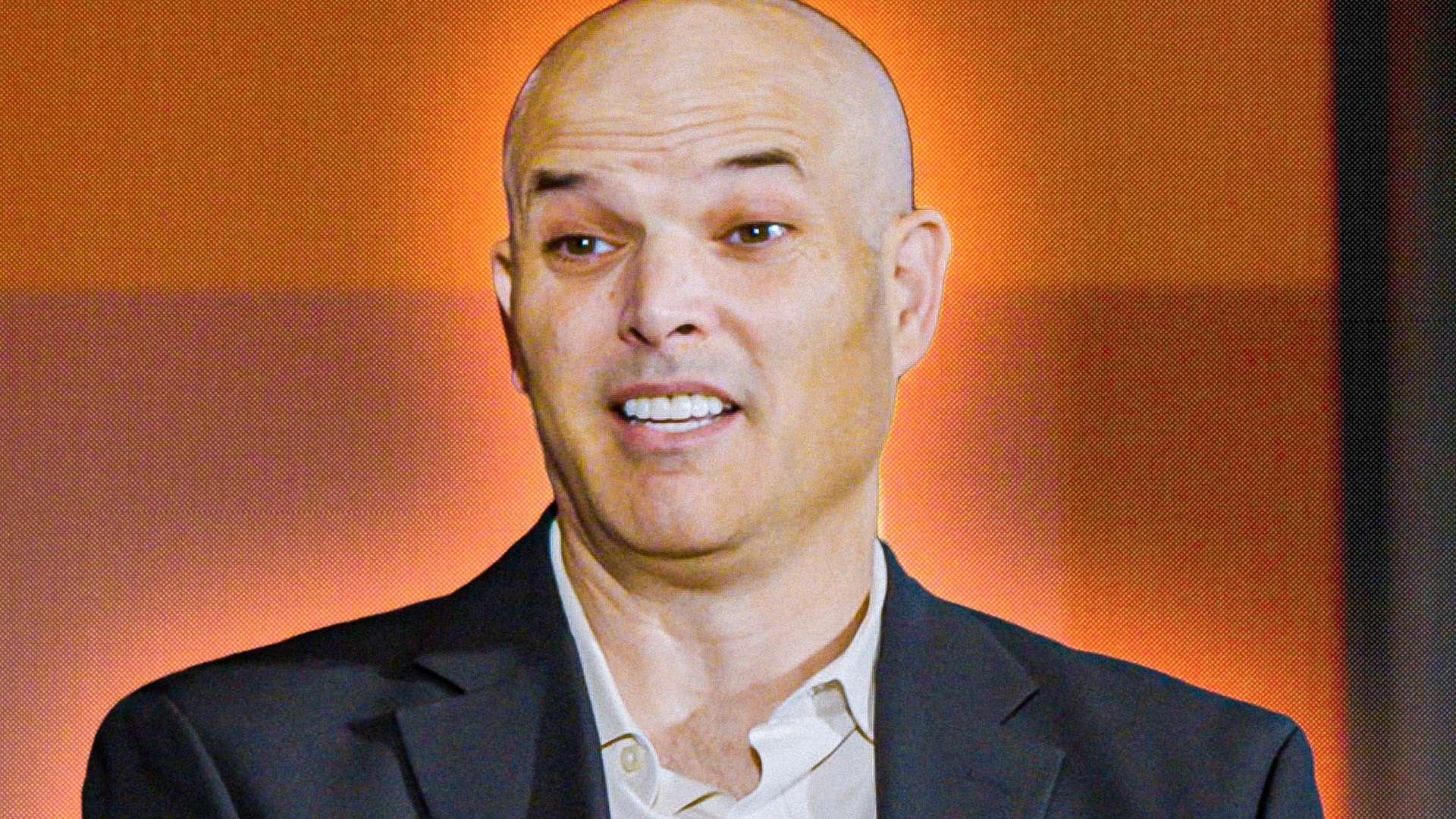
In a recent conversation with Nick Gillespie of Reason, investigative journalist Matt Taibbi argued that reporters have become detached from much of the United States, and that detachment helps explain much of the erosion in trust.
Indeed, journalism now draws on a narrower slice of the population than in decades past: a 2022 survey by The American Journalist indicated that 96 percent of journalists hold bachelor’s degrees, up from 58 percent in 1971. Taibbi notes that journalism has “become a status job.”
Moreover, a larger share of reporters lives and works in a small number of coastal cities. Online outlets have largely supplanted print newspapers, reducing job opportunities in rural counties. While educated urbanites may constitute a growing segment of the population, they do not encompass everyone, and that mismatch might influence overall trust levels.
Meanwhile, the internet has enabled independent journalists to publish their work on social networks. Major news organizations themselves are drawing increasing traffic from social media posts. Data from the Reuters Institute show that social media has become the most common source of news, with 56 percent of Americans obtaining stories there during a typical week. Even as many people drift away from mainstream outlets, they find it easier to locate alternative sources elsewhere.
Much of this shift is energizing. Social platforms have democratized access to information, challenging the oligopoly once held by a handful of tightly regulated broadcasters in the 1970s. Independent journalism has flourished, and a 2025 Change Research study found that people place greater trust in “independent or online journalists” to report what is happening more honestly than they do in national news outlets.
Yet content circulating on social networks can be vulnerable to government pressure, albeit in manners distinct from state-controlled broadcasters. In a landscape dominated by a few large platforms, the state may seek to steer discourse by pressing those companies to act.
“The model most people seem to favor is a government agency that issues guidance to private firms,” Taibbi explains. “The firms then implement the censorship.” This phenomenon is known as jawboning. It surfaced during the COVID-19 era, when federal health authorities maintained ongoing contact with major social platforms—Twitter among them—marking and flagging posts deemed “misinformation.” Taibbi’s reporting also revealed that the FBI jawboned social networks over content thought to undermine “election integrity.”
But not every online platform is equally willing to yield to censorship pressure. Taibbi credits Substack with resisting jawboning. “It will require a company willing to tolerate [government] petitions” to curb this new wave of censorship, he notes. A different path, not mentioned in the interview, would be open platforms where there is less concern about how corporate leadership might bend to political pressure.
Substack also opens space for long-form writers to enter the media arena. This does not automatically translate into greater trust or more rigorous reporting. Yet the lower barrier to entry fosters a broader, less elitist news marketplace.
It also enables more firsthand and intimate content. The 2026 midterms saw livestreaming gain traction, with socialist commentator Hasan Piker’s Twitch stream peaking at 241,783 concurrent viewers. Thousands of Americans witnessed the January 6 riot at the U.S. Capitol in real time through livestreams. Millions of young people watched on social media as the Israeli military conducted operations in Gaza, forming parasocial connections with local reporters. This dynamic may help explain why younger generations—who are heavier users of social media—tend to be more critical of Israel than earlier cohorts. It certainly provides them with greater latitude to voice their opinions on the topic.
Substack has expanded at a staggering pace in recent years, boasting more than 47 million monthly unique users recorded in September 2025. While comparing this figure to traditional media readership is tricky, the trend—especially among younger audiences—suggests that independent, internet-based reporting is becoming the future of news.
People are naturally wary of new technologies and shifting norms. In his talk with Taibbi, Gillespie playfully mocks this culturally conservative impulse, quipping that “jump cuts on MTV destroyed the kids’ ability to read Moby-Dick.” Yet this evolving media landscape can be freer and more diverse than the old order. Modern news consumers are not naive; they simply want a broader array of options—and the internet is delivering those choices.
