
This season’s political shake-up, often described as a “blue wave,” spread across numerous races, including New Hampshire, where Democrats captured 293 of 400 House seats and 15 of 24 Senate seats, overturning the GOP’s grip on the Legislature. The Democrats’ sweeping victory could spell an end to a long-standing source of local pride: the state’s famously libertarian approach to seat belt regulations.
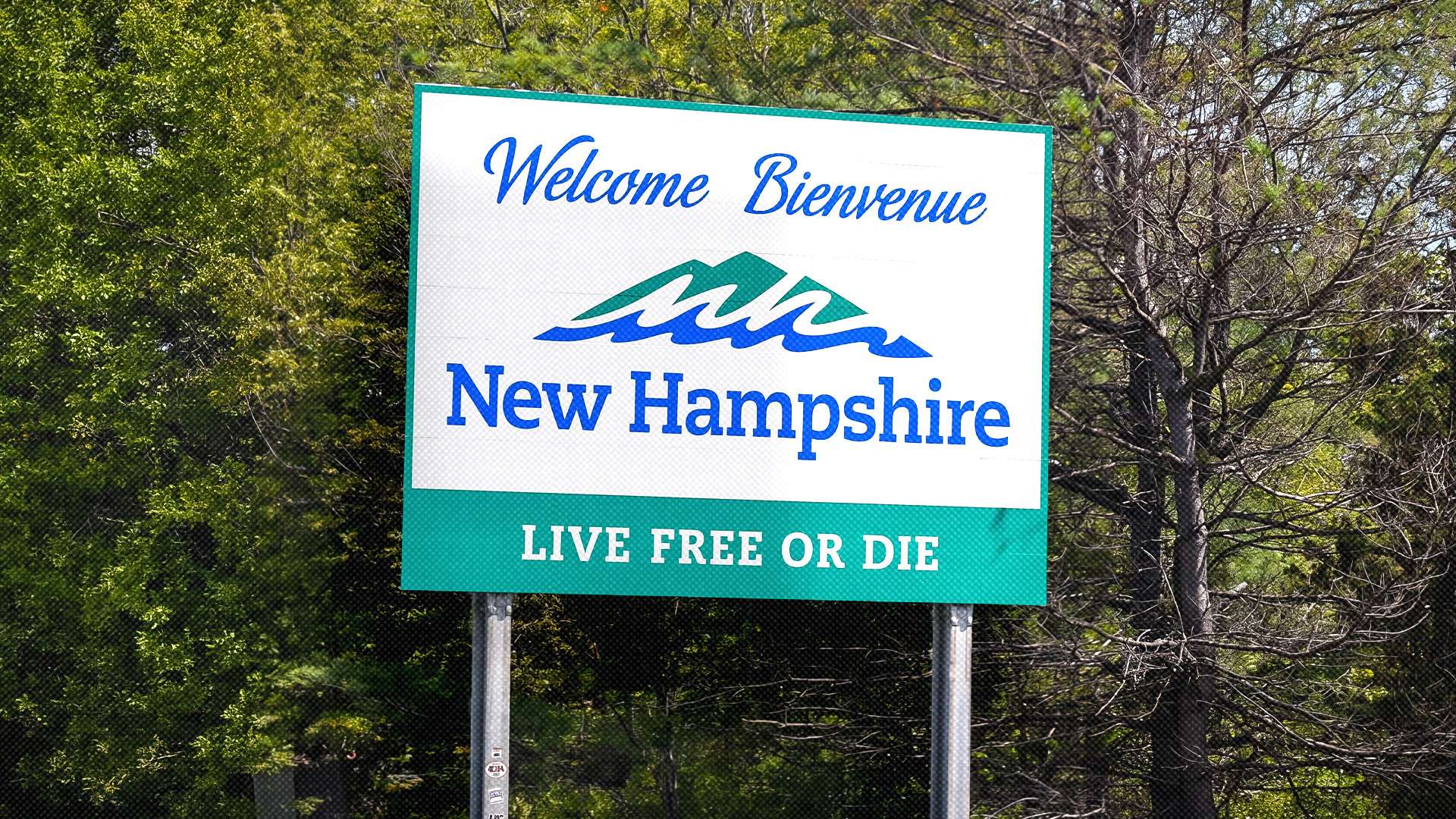
Guided by its motto “Live Free or Die,” New Hampshire remains the only state in the nation that does not compel adults to wear seat belts (though minors are required to wear them). After New York became the first state to mandate seat belts in 1984, a cascade of new laws followed across the rest of the country. By 1996, New Hampshire stood alone in maintaining its stance. Progressive lawmakers in the state have repeatedly pushed for the regulation, only to see it fail. The inaugural bill in 1979 was ruled “inexpedient to legislate” by the state Senate, a designation that lawmakers have issued nine more times since, most recently in 2023.
Some New Hampshire lawmakers have framed the opposition to seat belt laws as a defense of personal freedom. In 1986, then-U.S. Representative Judd Gregg (R–N.H.) wrote to Transportation Secretary Elizabeth Dole, stating: “New Hampshire citizens have made it clear that they prefer this matter left to the discretion of the individual.” After all, why should the government punish you for choosing to protect yourself?
Gregg feared that the Transportation Department would threaten to withhold federal highway funds to pressure states into conforming (a tactic it had previously used to push a nationwide speed limit and to raise the minimum drinking age to 21). His concerns were prescient, as the department began in 1991 to condition the disbursement of some highway funds on states lacking seat belt laws. It also started awarding additional benefits to states that implemented mandates.
After voting down a proposed seat belt mandate in 2007, state Sen. Robert Clegg (R–Hudson) told The New York Times that his vote against the restriction was because, as he put it, “it preserves New Hampshire’s way of not succumbing to the bribes of the federal government.”
For some current lawmakers, the issue is about the legitimate scope of government. State Rep. Ted Gorski (R–Bedford), the former vice chairman of the state House Transportation Committee, told Reason that a seat belt mandate “would infringe on [New Hampshire residents’] privacy rights and their natural rights.” While some might regard this as an unusual hill to defend, Gorski argues that on even the smallest issues, liberty must be defended, or it will be taken away slowly but surely.
Gorski suspects that with Democrats back in power, the Legislature may try to enact a mandate within the next couple of years. The closest attempt to passage occurred in 2009, when Democrats held majorities in both chambers. The measure passed the House but died in the Senate after four Democrats joined with 10 Republicans.
Although the newly minted Democratic majority could ease the path to a seat belt mandate, several hurdles remain—including a lack of political appetite among lawmakers. State Rep. Daniel Veilleux (D–Amherst), who sponsored the 2023 bill, has said he does not intend to introduce a similar adult seat belt mandate in 2027. While that pledge appears hopeful, party leaders like House Speaker Alexis Simpson (D–Exeter) voted in favor of the 2023 mandate. Together with the state Democratic Party’s history of attempting to regulate seat belt use, this makes Veilleux’s vow less airtight.
Even if the Legislature approves a bill, Republican Gov. Kelly Ayotte, who won re-election decisively, could veto it. “Even with a Democratic majority, passage is not guaranteed,” Veilleux cautions.
Wearing a seat belt is a prudent choice and will likely save lives. Yet people should have the right to make their own decisions about safety and risk, rather than having the government make those choices for them.
New Hampshire Public Radio explored the seat belt dispute in 2017 by asking Concord residents what they thought about that year’s proposed mandate. When asked whether being the exception to the rest of the country was a problem, one passerby replied: “I think it’s fine… The state motto and all.”
