
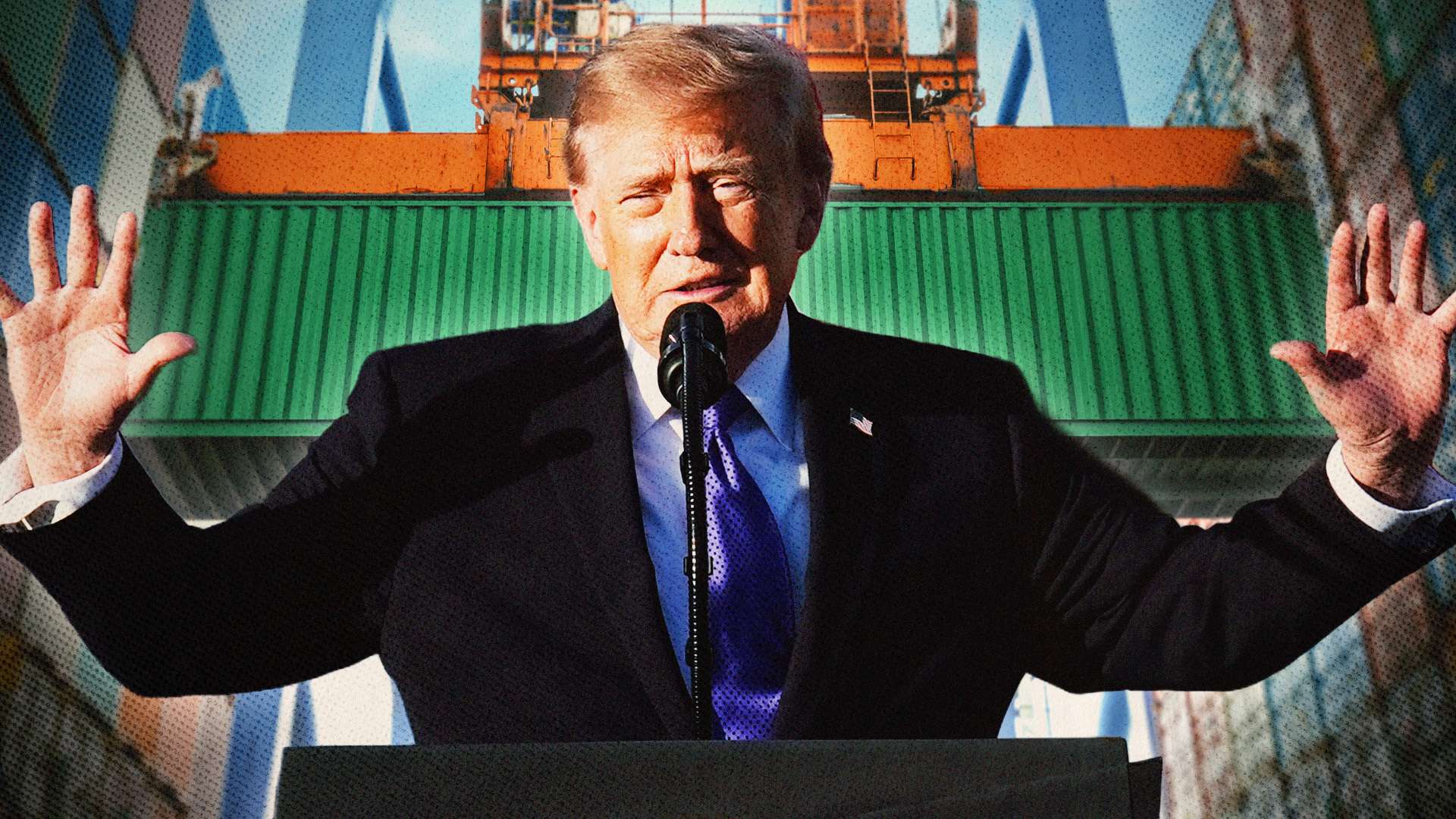
New tariffs between 10 percent and 20 percent will be applied to the majority of goods imported from fourteen key trading partners, among them China, Japan, and European nations.
Each year, the United States produces far more airplanes than domestic airlines can absorb. In the previous year, Boeing manufactured six hundred jetliners.
A sizable portion of those aircraft are sold to airlines operating abroad—since very few nations possess the capacity to build jetliners, yet virtually all want the option to fly. Do such foreign purchases drain wealth from those countries?
Not at all. In fact, the opposite is true. Those American-made airplanes enable transportation and commerce that would not occur in those countries otherwise. They help firms turn a profit. They help people reach their destinations. And selling abroad also benefits Boeing, because the company can manufacture and market more products than if it were limited to serving only the domestic market. It is, quite literally, a win-win situation.
If you grasp that, congrats. You know more about the gains from international trade than the top authorities within the Trump administration.
The Trump administration unveiled a fresh round of tariffs on Wednesday morning intended to affect imports from fourteen major trading partners, including China, India, the European Union, and Japan. The tariffs stem from an extensive inquiry by the Office of the U.S. Trade Representative into “structural excess capacity”—a situation in which a foreign nation produces more of a certain good than it can consume domestically—often linked to subsidies or other forms of governmental support.
“President Trump is proposing to take action to eliminate these unfair acts, policies, and practices,” U.S. Trade Representative Jamieson Greer said in a statement. “By doing so, we can level the playing field for American workers and set a new, more sustainable course for the world economy.”
The new duties range from 15 percent to 35 percent, with the steepest rate applied to goods from Vietnam. Imports from the European Union will face a 15 percent tariff, while those from China will be taxed at 20 percent.
The Wall Street Journal reports that these tariffs will apply “to most exports from targeted economies but will not affect specific sectors already subject to separate U.S. national-security-related levies, including steel, aluminum, automobiles, and others imposed during President Trump’s second term.”
The tariffs will be imposed under Section 301 of the Trade Act of 1974, which authorizes the president to enact duties aimed at particular products in response to “unjustifiable, unreasonable, or discriminatory foreign government practices.”
Yet, it’s worth reflecting on Boeing as an example. That is a company that receives substantial public subsidies and a manufacturer that produces more airplanes than the United States can use. Would New Zealand and Uzbekistan be better off if their governments blocked Boeing purchases (or taxed them heavily)? Obviously not.
Yet the matter becomes more intricate. About half of the components that go into a new Boeing jet assembled in the United States originate elsewhere in the world—and many come from the major trading partners in Europe and Asia that the Trump administration is now accusing of producing excess goods.
But if those places did not have surplus capacity, they wouldn’t be able to sell their products to Boeing—or, if they did, the price would be higher because the supply would be tighter.
Would Boeing fare better in that scenario? What about its workers, who would be less productive and consequently less valuable? And what about customers who could face reduced access to the aircraft they want to purchase?
Airplanes are far from the sole example. The United States is a leading producer and exporter of cotton. Are we impoverishing the rest of the world by doing so? No — we serve as the starting point for a global textile-trade network. Should American farmers cut back on cotton so as not to undercut cotton production elsewhere in the world? That sounds absurd, of course.
You could pose the same rhetorical questions about natural gas, almonds, or any other product that America produces in excess and exports. Should we scale back production of those goods to shield others from our “surplus” capacity?
The Trump administration strikes at the very heart of international trade. The fact that one nation can produce more of a given item than it can consume domestically is the cornerstone of the comparative advantages upon which trade is built.
As with the remainder of Trump’s tariffs, it will be Americans who end up paying more to “solve” this “problem.” Tariffs on imports have driven up prices across the economy and sparked a political backlash against Republicans in the midterm elections. Has anyone in the White House been listening?
Hopefully the incoming Democratic majority in Congress has. The tariffs announced on Wednesday highlight the necessity and urgency of a serious congressional effort to roll back Trump’s tariffs and remove the mechanism by which he has imposed them. In this case, that means repealing Section 301—which was never intended to be used in such a sweeping manner, but has become a tool for unchecked executive authority over trade.
A welcome bonus: Repealing these tariffs would save Americans hundreds of dollars next year.
As the Cato Institute noted in its public comments on the proposed tariffs, the Trump administration has not taken the steps required by Section 301 to demonstrate that these tariffs are necessary or effective. Such concerns do not trouble the White House, which has eagerly pressed every “tariffs” button with little regard for legal or constitutional guidelines. (Perhaps that’s why the administration has accumulated five straight losses in tariff-related cases.)
In truth, the broad scope of the new tariffs—covering nearly all goods from the targeted nations—seems to undermine the administration’s own justification for their necessity. They are not being used to address excess capacity in particular industries arising from unfair practices or excessive subsidies. They are being implemented in a sweeping fashion that challenges the very premise that a global trading system requires the existence of goods that can move across borders.
Like much of Trump’s trade policy, these tariffs spring from a mix of economic misunderstanding and an overly expansive use of executive power. Congress cannot fully cure the former, but it can—and must—address the latter.

Natalie Foster
I’m a political writer focused on making complex issues clear, accessible, and worth engaging with. From local dynamics to national debates, I aim to connect facts with context so readers can form their own informed views. I believe strong journalism should challenge, question, and open space for thoughtful discussion rather than amplify noise.