
The recent election of Kemi Badenoch, a migrant of Nigerian origin, as leader of the United Kingdom’s Conservative Party, succeeding Rishi Sunak — the first British leader of Indian origin and Hindu faith — is not an isolated fact nor devoid of symbolism. This milestone reveals a pattern that highlights the ability of the British Conservatives to adapt and stand out in a context of growing cultural and racial diversity.
While the Tory party has managed to integrate leaders from different origins, other players such as the Labour Party continue to struggle to emulate such levels of representation within their own ranks. This reality invites reflection on the future opportunity open to the Popular Party (PP) to interpret, and not merely react to, a Spain undergoing demographic transformation.
The example of the British Conservatives
It remains striking that a party with deep conservative roots has emerged as a pioneer in promoting political diversity in the United Kingdom. In 2005, after taking over the leadership of the Conservative Party, David Cameron set out to revitalize a formation perceived by many as archaic and out of touch with the country’s contemporary realities.
One of his standout strategies was the 2006 introduction of the A-List, a program designed to recruit candidates who reflected the diversity of British society and that enabled ethnic minority representatives to win Conservative parliamentary seats.
“The recent election of Kemi Badenoch, a Nigerian-born immigrant, as leader of the United Kingdom Conservative Party, succeeding Rishi Sunak — the first British leader of Indian origin and Hindu faith — is not an isolated fact nor devoid of symbolism”
This bold move proved a turning point. New MPs such as Sajid Javid, of Pakistani origin, would rise to Secretary of State in 2014 and to Home Secretary in 2018, becoming the first Muslim to hold that post. Rishi Sunak, the son of Indian immigrants, gained prominence when assuming the role of Chancellor of the Exchequer in 2020, overseeing the economic response to the pandemic, and later becoming prime minister in 2022. Priti Patel, of Gujarati Indian heritage, stood out as Home Secretary in 2019, establishing herself as a prominent figure in Boris Johnson’s cabinet.
The pinnacle of this process was reached in 2024 with Badenoch’s election, the first Black woman to lead the party, reinforcing a narrative of inclusion that transformed public perception of the Conservatives. Other names, such as James Cleverly, former Secretary of State for Foreign, Commonwealth and Development Affairs, and Kwasi Kwarteng, former Chancellor of the Exchequer, reinforce a narrative that goes beyond mere symbolism and, at its best, revitalizes the party’s identity and its appeal among sectors traditionally underrepresented.
Spain in demographic transformation
The recent decades have witnessed a metamorphosis in Spain’s demographic composition, reshaping the country’s social and economic fabric in unprecedented ways. According to data from the National Institute of Statistics (INE), the share of the population born outside Spain has risen markedly since 2000, when it represented about 4.9% of the total population. This figure surged during the first decade, reaching roughly 12% in 2010. Although there was a slight stagnation and dip during the 2008 economic crisis, migratory flows have recovered in recent years, reaching 18.15% of the total population in 2023.
“In Spain, migratory flows have recovered in recent years, reaching 18.15% of the total population in 2023”
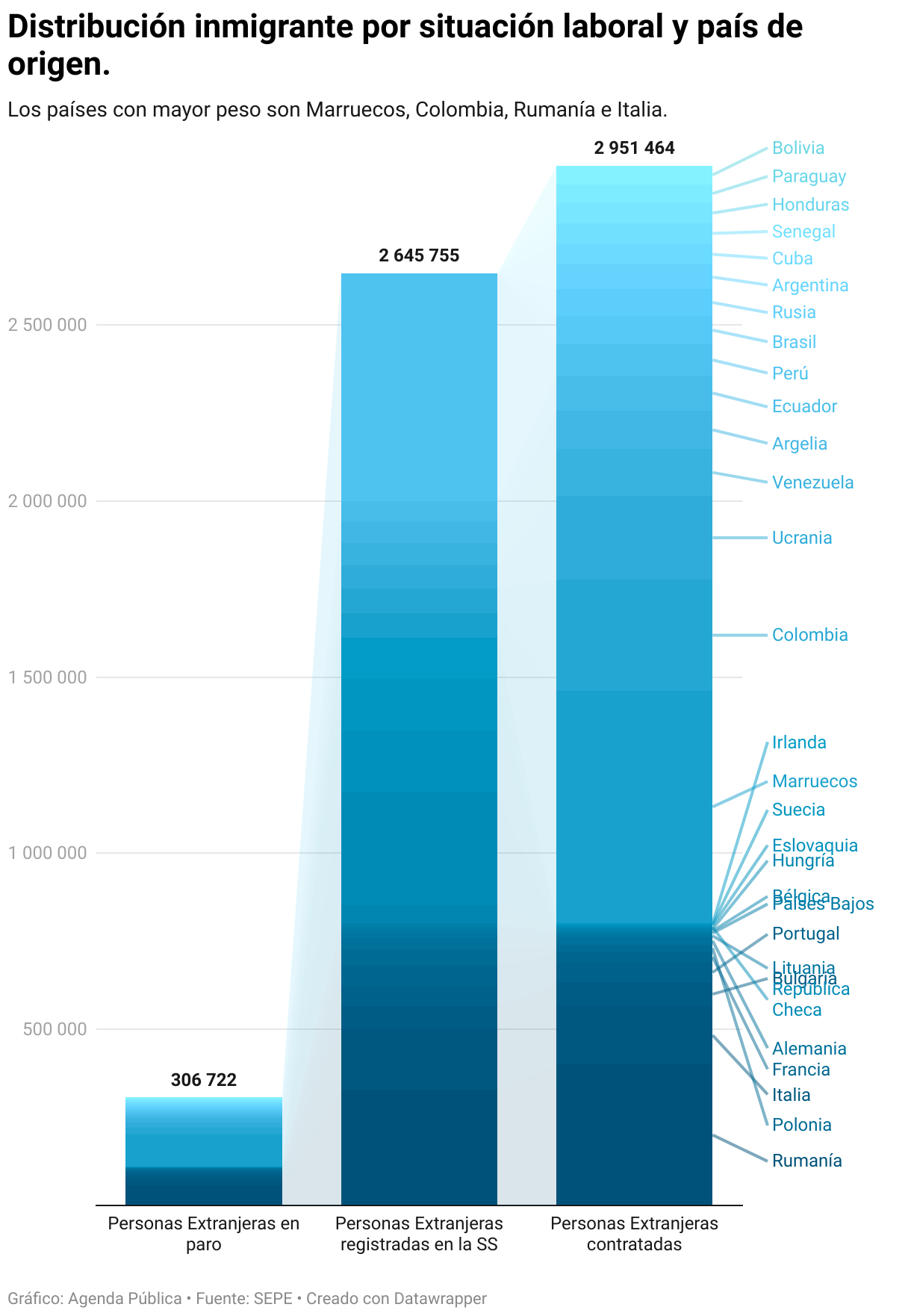
The main origin countries of immigrants are Morocco, Romania, and Colombia, with a notable rise in communities from Ibero-America and North Africa. This phenomenon has shaped a more diverse Spain, where neighborhoods resound with a polyphony of accents and customs that enrich collective life beyond occasional tensions. Our national football team, with rising stars Nico Williams and Lamine Yamal, already reflects this heritage. The country has become a cultural mosaic that transcends the past’s homogeneity and presents new challenges and opportunities for our political class.
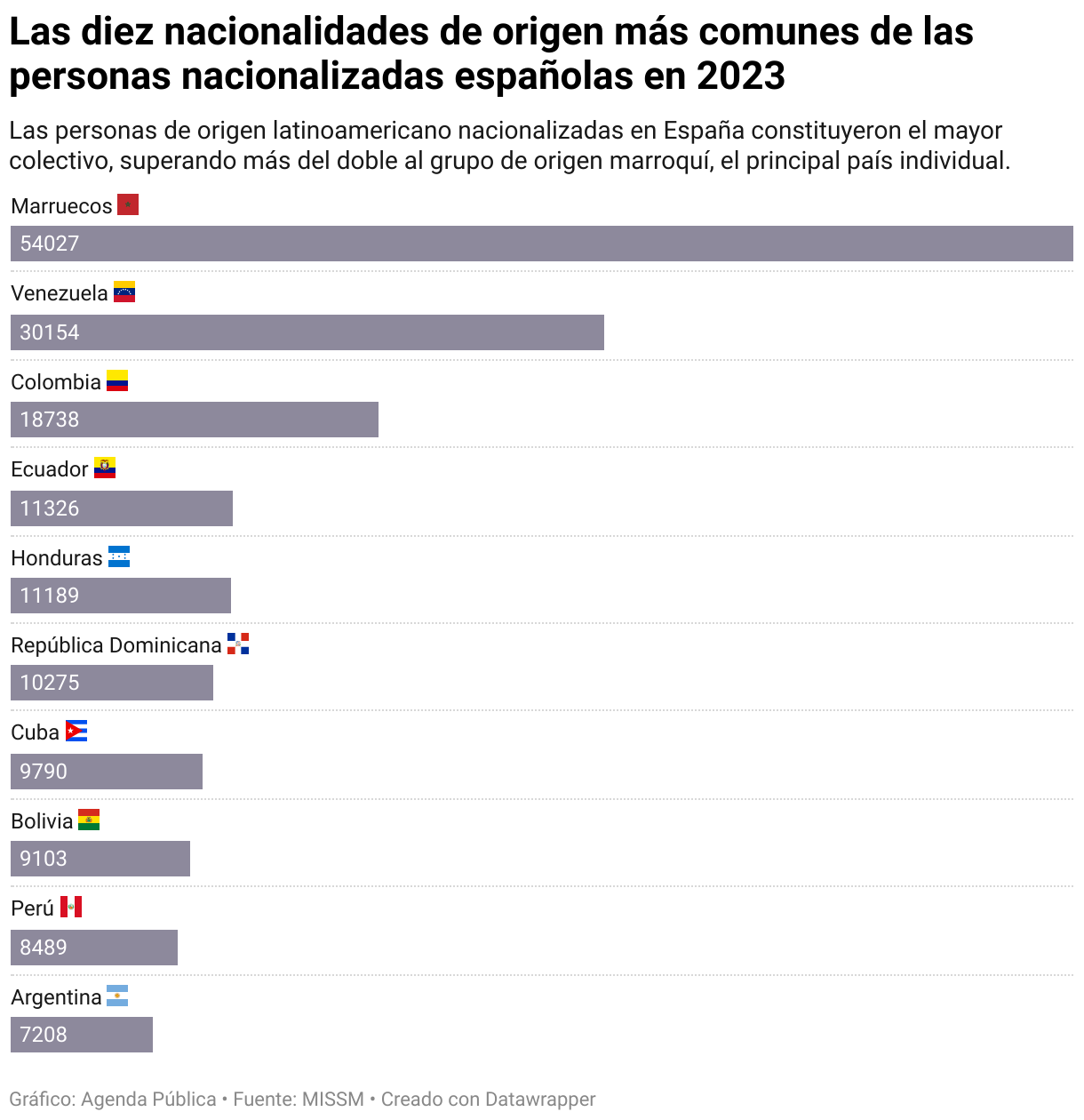
Among these communities, those with Hispanic-American origins have contributed a distinctive nuance: they share language, often religion, and a cultural heritage that makes their integration, in many cases, more harmonious. This cultural proximity has helped Hispanic immigration be perceived as a natural extension of the Spanish social fabric, blurring the line between new and long-standing residents, endowing the urban landscape with a unique vitality.
A key point that cannot be overlooked is that many of these foreign-origin residents, over time, acquire Spanish citizenship. This means they and their children become part of the electoral body, with a voice and vote in decisions that will define the country’s course. Their growing inclusion in the voters’ register obliges political parties to adapt and recognize their weight in the electoral landscape. It is not merely a matter of numbers, but of understanding that these individuals, by becoming fully Spanish, transform the very notion of citizenship. Integrating these communities into the political sphere is essential to ensure their voices are heard and effectively represented to underpin the Spanish demos and avoid disenchantment.
Racial and cultural diversity: a key to political debate
In the current political scene, the left has pushed for gender diversity and representation of the LGBTQ+ community as banners of inclusion. However, racial and cultural diversity is an equally relevant —and sometimes more urgent— pillar that deserves defense with equal or greater vigor, as it rests on an identity substrate that organizes social bonds in a more visible and tangible way. This diversity, properly integrated into Spain’s historical fabric, enriches society with varied perspectives and can reinforce the identity of a modern and open nation.
“Diversity, well integrated into Spain’s historical fabric, enriches society with varied perspectives and can reinforce the identity of a modern and open nation”
For the PP, this represents a leadership opportunity in the immigration debate and a point of connection with immigrant communities that, in many cases, come to embody centrist-right values, such as respect for order, family, and individual effort. This situation echoes what happens in the United States, where Hispanic voters have begun aligning with the Republican Party, attracted by its conservative and liberal stances and by the not-so-distant memory of radical leftist experiences in their countries of origin. As Ronald Reagan once stated: “Latinos are Republican. They just don’t know it yet.”
Integration and assimilation: a long-term political strategy
Having leaders and senior figures of immigrant origin has allowed the British Conservative Party to address immigration from a position of legitimacy that dispels suspicions of racism or xenophobia. The presence of prominent figures such as Sunak, Javid, or Badenoch in leadership roles gives the party moral authority to speak on migration issues in a way that its discourse appears more authentic and less exclusionary.
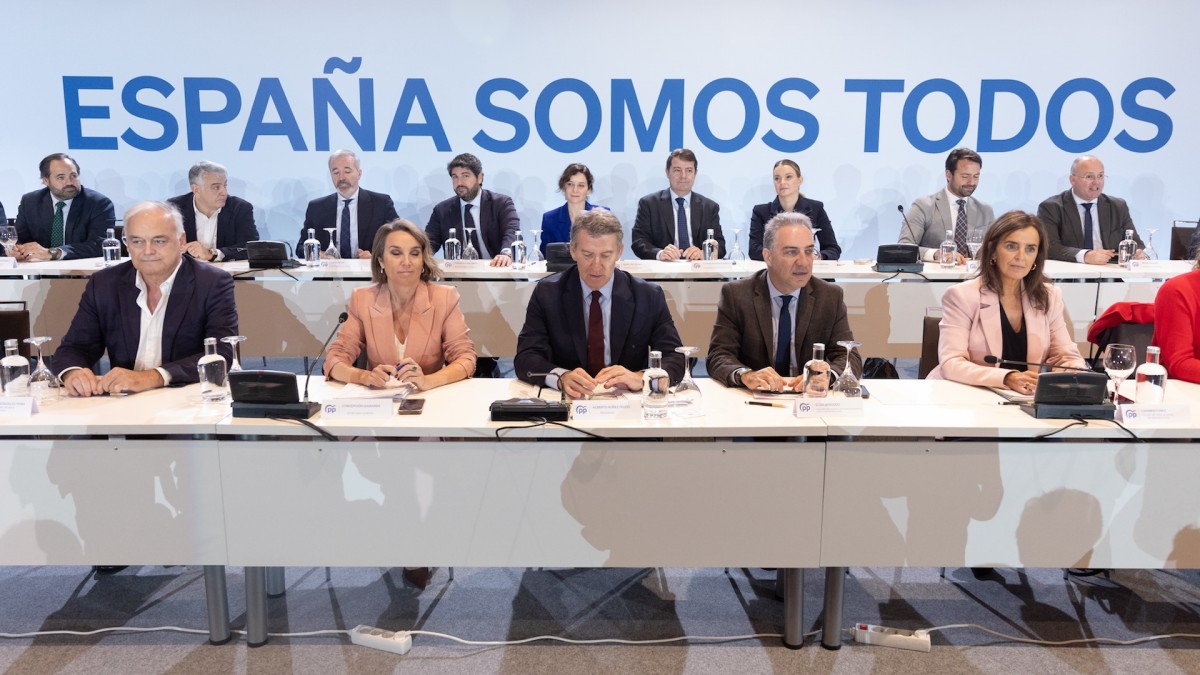
By incorporating representatives of immigrant identities among its high elected and government positions, the PP could also present itself as the most legitimate party to lead the immigration debate.
“By incorporating representatives of immigrant identities among its high elected and government positions, the PP could also present itself as the most legitimate party to lead the immigration debate”
Thus, the PP could frame the immigration debate around curbing illegal flows and fighting human trafficking, rather than simply acknowledging the presence of immigrants in our society. Emphasizing the importance of effective assimilation and integration would focus the discourse on social cohesion and a shared national identity, steering away from narratives that reduce immigration to numbers. This approach would position the party to defend regulated immigration as a necessary economic response to demographic decline, without losing sight of security and order.
Lessons and nuances of the A-List
The British A-List model offers lessons that go beyond simply diversifying a slate of candidates. Although it represented progress in terms of ethnic and gender inclusion, it did not escape criticism for the elitist composition of many of its members, educated at private schools and prestigious universities, which could distance them from the everyday voter experience.
“For the PP, it is not enough to add diverse faces as a superficial gesture. True diversity is achieved when the representatives bring life stories that resonate with the ordinary citizen”
Examples like Kwasi Kwarteng, educated at Eton, and Rishi Sunak, who attended Winchester College and Oxford, illustrate how the electorate can perceive their representatives as distant from their daily circumstances. Voters value representation that is diverse not only in appearance but in reflecting their everyday experiences, which strengthens trust in the empathy and effectiveness of their leaders. Nevertheless, cases like Badenoch, who worked at a fast-food chain during her student years, or Cleverly, who served as an artillery officer in the army, do reflect this connection.
For the PP, understanding these subtleties is essential. It is not enough to add diverse faces as a superficial gesture. True diversity is achieved when representatives bring life stories that resonate with the ordinary citizen: people who have started businesses, faced the hardships of the working class, or led social projects in their towns or regions. Authentic representation arises from those who not only understand but have lived the realities of the cultural communities they seek to represent, thereby fostering a sense of commitment and genuine trust.
Beyond representation: a strategic imperative for the PP
Spain’s growing cultural and racial diversity offers the PP an opportunity to reconceptualize the national identity debate, transcending the territorial tensions that have marked Spanish politics. In a context where political discourse often revolves around regional differences, incorporating and valuing the cross-cutting diversity of immigrant origins and identities could provide a unifying narrative. This strategy would not only enrich the social and political fabric but also strengthen national cohesion from a new angle of inclusion and modernity.
That commitment should translate into public policies that respond to the aspirations of that diverse society. This includes measures to reduce educational inequalities and ghettoization, promote entrepreneurship in immigrant communities and advocate for integration that respects cultural identities as long as they align with European values. The initiatives must go beyond rhetoric; only an honest approach that promotes tangible opportunities will consolidate the PP as a player that not only proclaims diversity but practices and leads it, as the British Conservative Party has shown.
“The coming years will determine which parties have understood the spirit of a Spain in transformation: in less than a decade, immigrants and their children will no longer be merely foreigners but citizens with the right to vote.”
The coming years will determine which parties have understood the spirit of a Spain in transformation: in less than a decade, immigrants and their children will no longer be foreigners but citizens with voting rights. The PP has the opportunity to ride this process with a strategy similar to the A-List for the upcoming electoral cycles of 2027 and 2031, showing that it is a party capable of reflecting and promoting the plural wealth of a cohesive nation. This step demands more than superficial renewal: it requires sincere integration of diversity into its political and operational DNA, something that neither the PSOE nor any other Spanish party has undertaken.
The British experience shows that diversity, well managed, is not mere adornment nor an end in itself, but a powerful tool to revitalize and strengthen a political formation for governance. The next Spanish Sunaks, Badenochs, or Cleverlys could be of Venezuelan, Romanian, or Moroccan origin. If the PP acts with vision and authenticity, it will not only follow the course of history but lead it toward a Spain that fully reflects all its citizens toward the pinnacle of the 21st century.
