
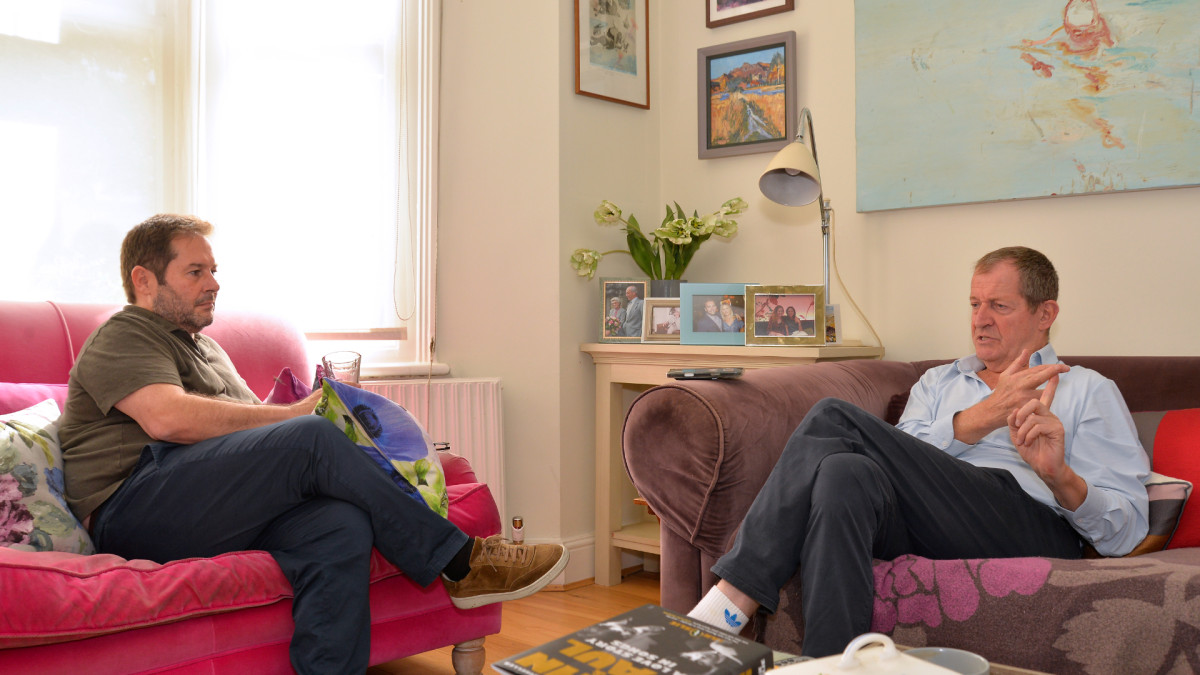
Alastair Campbell stands as one of the foremost figures in British political journalism. His podcast, The Rest Is Politics, co-hosted with a former diplomat, has hosted guests including Rishi Sunak, Yuval Noah Harari, Helen Clark, Keir Starmer, Ahmed al-Sharaa and Pedro Sánchez, among others. Campbell believes its popularity stems from a clear appetite: “People are tired of permanent outrage. They’re tired of politics being trivialised”, he says.
Campbell welcomed me into his London home at a pivotal moment in UK politics: just days after Andy Burnham arrived at 10 Downing Street—although the “King of the North” plans to spend plenty of time in his new Manchester office. Campbell has known Burnham for years and admits that “If you’d asked me back then whether he would become prime minister, I probably would have said no”. Yet he recognises Burnham’s considerable strengths and believes he is capable of taking on Nigel Farage’s radical right. “You don’t defeat populists by copying them; you defeat them by offering a better alternative”, he explains.
Alastair Campbell analyses Andy Burnham’s first decisions as British prime minister. Photo: Agenda Pública / Mark York
Tell me about the new prime minister.
I’ve known Andy for a long time. We first crossed paths when he was in his twenties, working as a researcher for a Labour MP and minister. He was already involved at Labour headquarters during the 1997 campaign, and a few years later he entered Parliament, became a minister and ultimately served in the Cabinet.
If you’d asked me back then whether he would become prime minister, I probably would have said no, partly because we were all immersed in the Blair-Brown era and it was hard to imagine anyone else leading the party.
What has impressed me is how much he’s grown, especially since leaving Westminster to become mayor of Greater Manchester. In fact, I reread the book he wrote with Steve Rotheram this morning. It’s striking how many of the ideas he’s putting forward today have been part of his thinking for years: the case for more devolution, reforming Westminster and Whitehall, changing the way government operates and improving decision-making. There’s a genuine consistency to his politics.
“It’s striking how many of the ideas he’s putting forward today have been part of his thinking for years”
He’s also a much more effective communicator than Keir Starmer. I have a great deal of respect for Keir, but I think he’s struggled with some of the realities of modern politics. The other thing that surprised me is this: I never thought Andy was particularly ruthless. Yet he’s shown that, when necessary, he can be.
Do you think he’s the right prime minister to take on Nigel Farage?
I do. The reason he became prime minister is largely because he took a substantial political gamble. He forced a by-election in one of the strongest Leave constituencies in Britain and won convincingly. That demonstrated to the Labour Party that he could win where others could not.
Interestingly, even before all this happened, I’d begun to think Nigel Farage had probably peaked. I may be wrong — it may simply be wishful thinking — but that’s my instinct. Politics also requires luck.
Since Andy took office, Farage has almost disappeared from the political conversation. Instead, he’s dealing with his own problems: internal rifts, financial controversies and a by-election that has become a source of embarrassment. So, yes, I think Andy is well placed to take him on.
“Since Andy became prime minister, Farage has almost disappeared from the political conversation”
One thing that particularly encouraged me was his first statement as prime minister. He said: “We’re not going to beat Reform by becoming Reform”. That’s exactly right. You don’t defeat populists by copying them; you defeat them by offering a better alternative.
Look at what he’s done in his first days in office. None of it is radical, but every decision sends the same message: addressing the cost-of-living crisis, backing those on low incomes and assisting those who are struggling. That’s his political temperament.
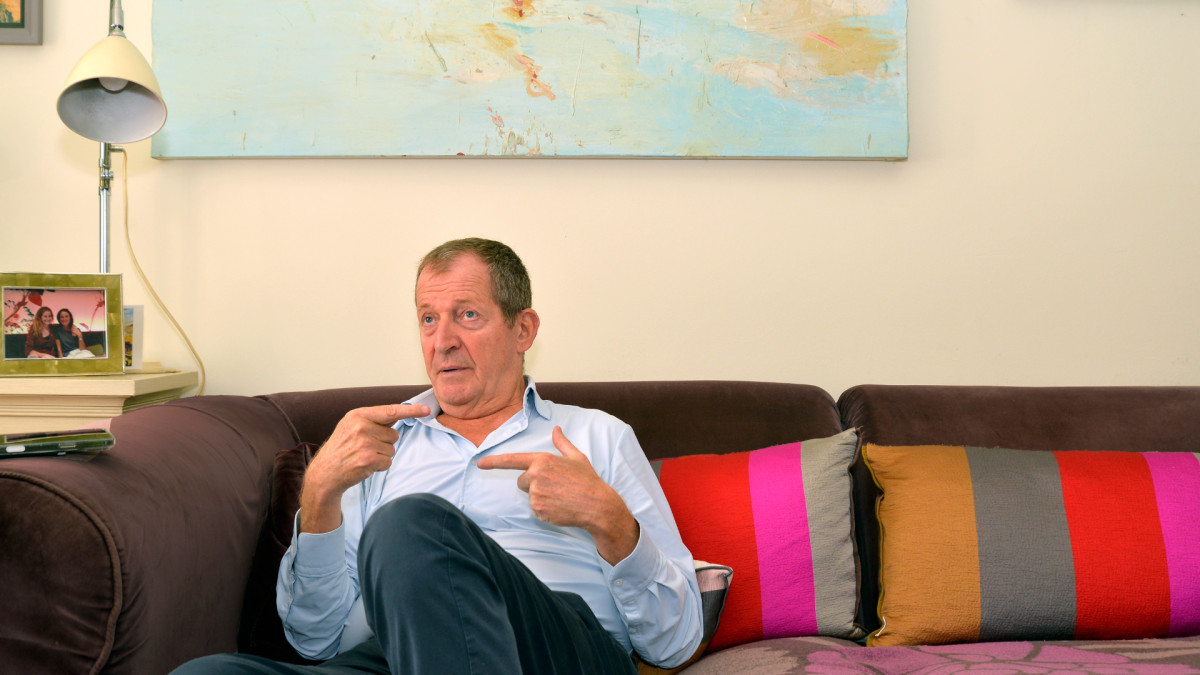
Campbell discusses Andy Burnham’s ability to take on Nigel Farage and the populist right. Photo: Agenda Pública / Mark York
Do you think he understands the nature of political polarisation in Britain today? Is he prepared for this new way of doing politics?
It’s still very early. Ultimately, you judge politicians not by what they promise but by what they actually do.
One of Andy’s strengths is that he’s genuinely good with people. It isn’t an act. When he talks about music, football or helping people, you believe him because it’s authentic.
Of course, now that he’s prime minister, he’ll inherit everything that comes with the office: hostility, online abuse, manufactured outrage and the algorithm-driven hatred that increasingly dominates politics. But I think he’ll cope with it better than most.
Another thing I find interesting is that he seems determined not to spend every day attacking his opponents. There is a risk in that, because they certainly won’t stop attacking him. Social media will continue to amplify outrage, misinformation and personal attacks.
“In many ways, it feels like Britain’s last chance to restore confidence in politics”
But I’m hopeful. I’m a Labour supporter, and I found the past few months difficult. Yet I genuinely believe this is an opportunity. In many ways, it feels like Britain’s last chance to restore confidence in politics.
Britain’s political instability has been extraordinary over the last decade. Is Brexit the main cause?
I think Brexit is a major part of the explanation. Brexit rewarded a politics built on populism, dishonesty and divisions within the Conservative Party. Those divisions never really disappeared.
David Cameron called the referendum because of internal Conservative tensions. He lost it and resigned. Theresa May became prime minister because she seemed like a safe pair of hands, but she couldn’t resolve Brexit either.
“Brexit rewarded a politics built on populism, dishonesty and divisions within the Conservative Party”
Then Boris Johnson arrived promising to “get Brexit done”. He won the election and delivered Brexit —and it’s been a disaster—. He didn’t fall because of Brexit itself; he fell because he was fundamentally a charlatan.
Then Liz Truss came in and managed to crash the British economy in a matter of weeks. When you look at that sequence of events, it’s hardly surprising that Britain started to look unserious.
For years, we used to joke about Italy or Japan changing prime ministers all the time. Now Giorgia Meloni has been in office longer than almost every British prime minister since David Cameron. That’s extraordinary.
Do you think Andy Burnham could eventually campaign for Britain to rejoin the European Union?
I don’t know. He can’t do very much during this Parliament because he’s still bound by Labour’s existing manifesto, but I do think he can begin signalling a direction of travel.
Personally, I actually prefer the word join rather than rejoin. The European Union itself is changing. It may become an organisation with different levels of membership, different speeds of integration and a broader membership including countries such as Ukraine, the Western Balkans, Norway and Iceland. That’s the Europe I’d like to see.
“Personally, I actually prefer the word join rather than rejoin”
Andy has long supported constitutional reform, electoral reform and greater devolution. Those ideas haven’t disappeared. Now that he’s prime minister, he can begin preparing the ground. The biggest reforms, however, would probably have to wait until after another general election.
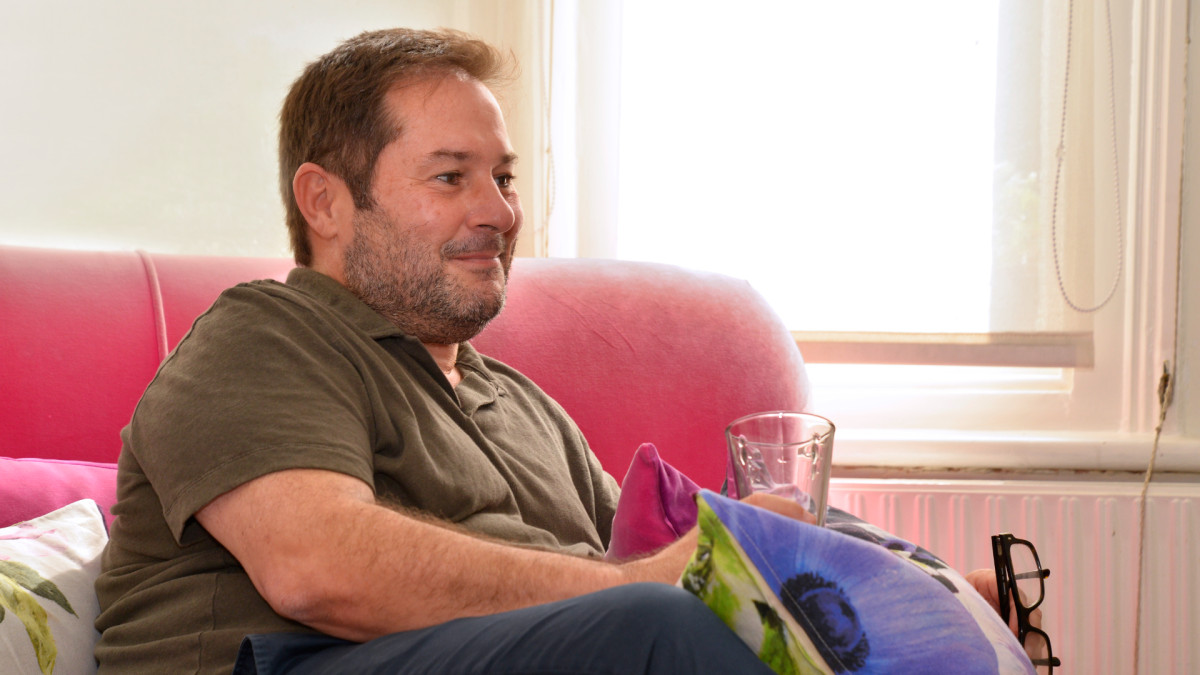
Marc López Plana asks about the success of The Rest Is Politics and the future of political journalism. Photo: Agenda Pública / Mark York
I’d like to ask about The Rest Is Politics. One of the reasons it’s become so successful, I think, is that it shows people with different political views having a civilised conversation. At a time of growing polarisation, you’ve demonstrated that disagreement doesn’t have to mean hostility.
I think that’s true, but I’d put it slightly differently. Our main objective isn’t simply to show that people can disagree politely. It’s to help people understand that politics is complicated, but also fascinating.
One of the biggest problems today is that political debate has become incredibly superficial. Complex issues are reduced to slogans, and everything is framed as a battle between two opposing tribes.
What Rory Stewart and I try to do is take difficult political questions and discuss them in a way that’s accessible without oversimplifying them. When we disagree, we disagree openly. But we don’t accuse each other of lying, and we don’t assume that only one side can possibly be right. Politics isn’t like that.
“One of the biggest problems today is that political debate has become incredibly superficial”
We launched the podcast four years ago. Today, we’re averaging around 21 million downloads every month, and it’s still growing almost entirely through word of mouth. To me, that demonstrates something important: there is a huge audience looking for thoughtful political discussion. People are tired of permanent outrage. They’re tired of politics being trivialised.
I also think mainstream political journalism is still trapped in an old way of covering politics. Take what’s happening today. The dominant political story is prisoner releases. It’s an important issue, of course, but suddenly the entire political conversation revolves around a single case.
That’s what increasingly happens: one story consumes everything. What gets lost is context, and without context it’s almost impossible to understand politics properly. Social media has made this much worse. Everything becomes immediate, emotional and absolute.
I was laughing recently because there’s a British satire programme called Dead Ringers. They often imitate Rory and me. Last week, they did a sketch in which a BBC interviewer asked Andy Burnham, only days after he became prime minister: “You must be disappointed to have become the most unpopular prime minister in British history”.
That’s the culture we’ve created. Politicians barely have time to govern before they’re declared failures.
“What gets lost is context, and without context it’s almost impossible to understand politics properly”
What’s interesting is that this format is almost replacing the kind of journalism I used to practise. Traditional political journalism isn’t dead, but it’s under enormous pressure. Podcasts allow something different: they allow depth. And I think people increasingly want depth.
The same is happening with books. Books are actually doing remarkably well in Britain because readers are looking for something they simply can’t get from social media or rolling news. They want context. They want complexity.
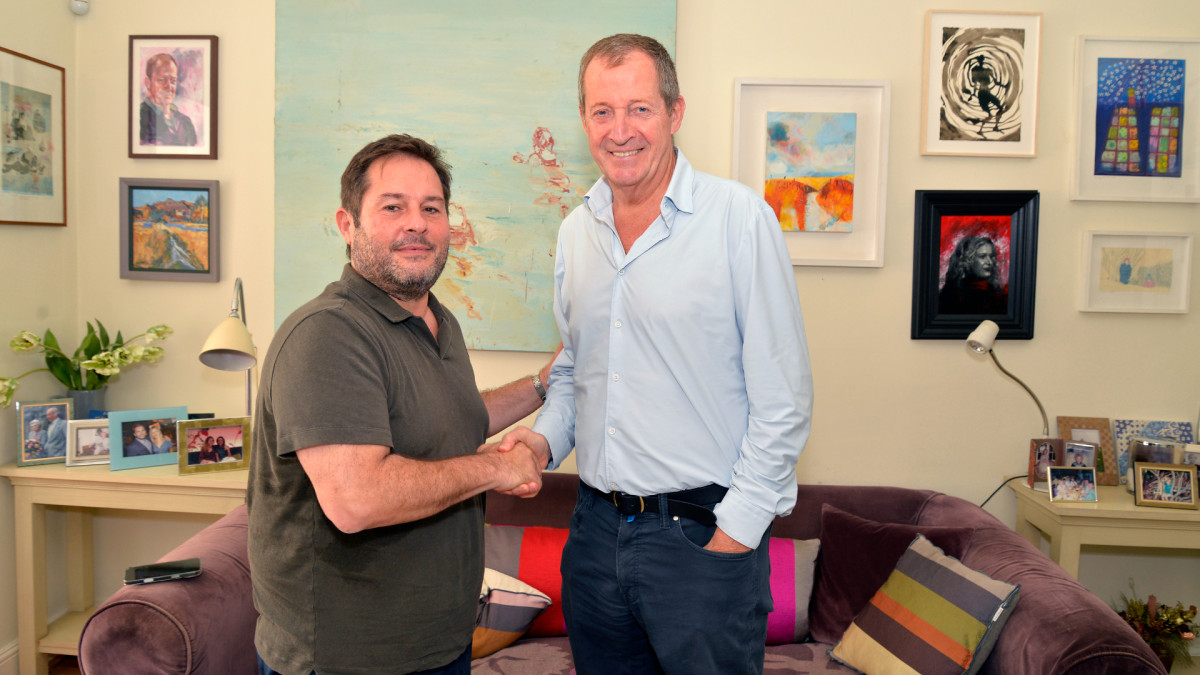
Marc López Plana and Alastair Campbell discuss public demand for political news and analysis. Photo: Agenda Pública / Mark York
As prime minister, can Andy Burnham be compared with Tony Blair?
That’s a very difficult comparison. Tony Blair was an exceptional political leader. People often remember the charisma, the communication skills, the humour and the confidence. All of that was real. But what many people underestimated was the quality of his mind.
Tony thought extraordinarily deeply about policy. He genuinely enjoyed thinking through complicated problems. Andy certainly has many of those qualities.
But becoming prime minister is unlike any other political job. He’s been a Cabinet minister. He’s been mayor of Greater Manchester. Those are significant positions, but the step from those roles to being prime minister is enormous.
I often compare it to cricket. If you’re a Cabinet minister, it’s like facing one very fast bowler. As prime minister, it’s like facing twenty fast bowlers simultaneously, all coming at you from different directions. Everything arrives at once. Every crisis becomes your crisis. Every decision is yours.
We’ll only know over time whether Andy can handle that. What I would say is that he has something Tony also possessed: calmness. He doesn’t panic. Actually, Pedro Sánchez has that quality too. It’s one of his strengths.
“If you’re a Cabinet minister, it’s like facing one very fast bowler. As prime minister, it’s like facing twenty fast bowlers simultaneously”
Andy also has excellent people skills. But I think today’s political environment is considerably more difficult than the one Tony Blair inherited in 1997. The economy is more fragile, politics is more fragmented and international relations are more unstable. Leadership today is simply harder.
