
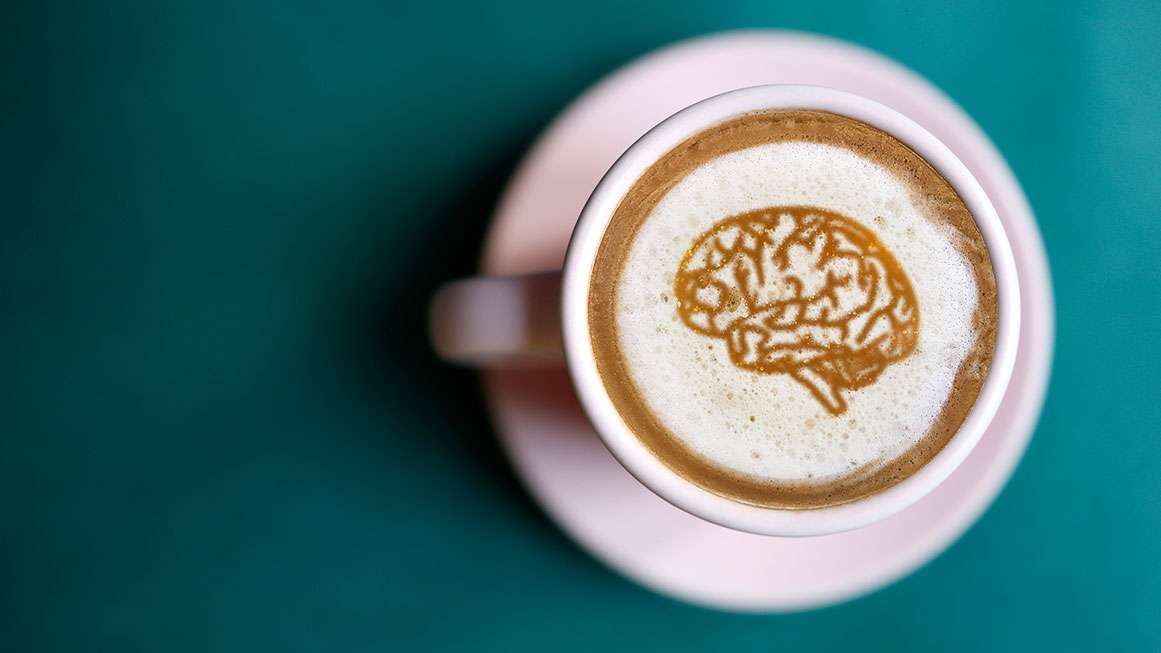
A long-term study followed about 130,000 people for more than four decades and found an association between coffee intake and a reduced risk of dementia.
Pasqua Rosée, a Greek immigrant, opened London’s first coffee house just outside the Royal Exchange in 1652. In his promotional handbill for “The Vertue of the COFFEE Drink,” Rosée claimed that coffee was “a most excellent Remedy against” a wide range of maladies, including consumption, dropsy, gout, scurvy, “the Kings Evil” (scrofula), and miscarriages.
Although Rosée may have overstated the case, modern medicine largely supports that there is some truth to his message. Drinking coffee is linked to a broad spectrum of health benefits.
Caffeine is the most widely used legal psychoactive substance worldwide. Nearly two-thirds of American adults obtain their daily caffeine from coffee, according to a 2025 National Coffee Association survey, and they appear to receive more than just a stimulant jump.
A February study published in JAMA tracked the brain health of about 130,000 people for more than 40 years. It found that moderate daily coffee intake was associated with a lower risk of dementia and a slower pace of cognitive decline. The researchers reported that dementia risk was around 18 percent lower in individuals who drank up to five cups of coffee daily compared with those who drank little or none. Interestingly, dementia risk reduction also applied to carriers of the APOE4 allele, which raises the risk of Alzheimer’s disease. Caffeine seems to be the crucial factor, since participants who consumed decaffeinated coffee did not experience similar cognitive benefits.
A synthesis of studies compiled by the National Center for Health Research (NCHR), a nonpartisan think tank based in Washington, D.C., outlines a broad array of additional health advantages tied to coffee consumption. The NCHR points to a 2018 study in JAMA Internal Medicine that linked coffee intake with health outcomes among more than half a million people in the United Kingdom. The researchers found an inverse relationship between coffee drinking and mortality over a ten-year period. Compared with non-drinkers, those who drank one cup per day were about 8 percent less likely to die, while those who consumed six to seven cups daily showed a roughly 16 percent lower mortality rate.
Over a ten-year span, a 2025 European Heart Journal study of 40,000 Americans revealed that morning coffee drinkers were 16 percent less likely to die from any cause and 31 percent less likely to die from heart disease than non-drinkers. Those who drank coffee in the afternoon did not exhibit these benefits. The NCHR also cites studies indicating that coffee consumption lowers the risk of colorectal cancer by 11 percent to 24 percent, endometrial cancer by 19 percent, Parkinson’s disease by 30 percent to 60 percent, and Type 2 diabetes by about 33 percent.
For centuries, coffee enthusiasts have reaped its advantages and are likely to continue doing so for many years to come. Even in fiction, Starfleet Captain Kathryn Janeway of the 24th century called coffee “the finest organic suspension ever devised.”
