
Nine in ten Spaniards believe that corruption is running rampant across the country. The social perception of this phenomenon places Spain 17th among European partners and 49th globally, and citizens’ concern has risen significantly in the last five years. This is what the draft of the EU Rule of Law Report 2026 shows, which assesses the Government’s strategy to combat the phenomenon, but again criticizes the excessive length of the most complex judicial proceedings due to the multiplicity of those involved, the lengthy appeal procedures, their complexity and the lack of specialized judges.
A first version of the Spanish chapter of the document that the European Commission prepares each year and which Agenda Pública has obtained access to highlights that the Government has approved a State Anti-Corruption Plan —Pedro Sánchez announced it in the summer of 2025 following Santos Cerdán’s involvement in the Koldo case—. The report highlights the five areas in which it intends to intervene: prevention, strengthening controls, protection of confidants and whistleblowers, recovery of assets related to crimes, as well as raising awareness about the phenomenon through advances in transparency, integrity and citizen participation in the fight against these infringements.
Why do the major corruption cases still take so long?
Although it acknowledges “some progress,” the Commission continues to estimate that the duration of high-level corruption proceedings remains excessive. Cases such as Gürtel, Púnica, Lezo or Kitchen remain active more than a decade after they broke. The report believes that the Government’s project for a new Criminal Procedure Law —which, because of its scale, the limited time left in the legislature and the lack of executive support, will likely end up shelved—will make these criminal proceedings more effective thanks to a shorter investigative phase entrusted to the prosecutor rather than to the examining judge.
“Although it notes some progress,” the Commission continues to maintain that the duration of high-level corruption proceedings remains excessive
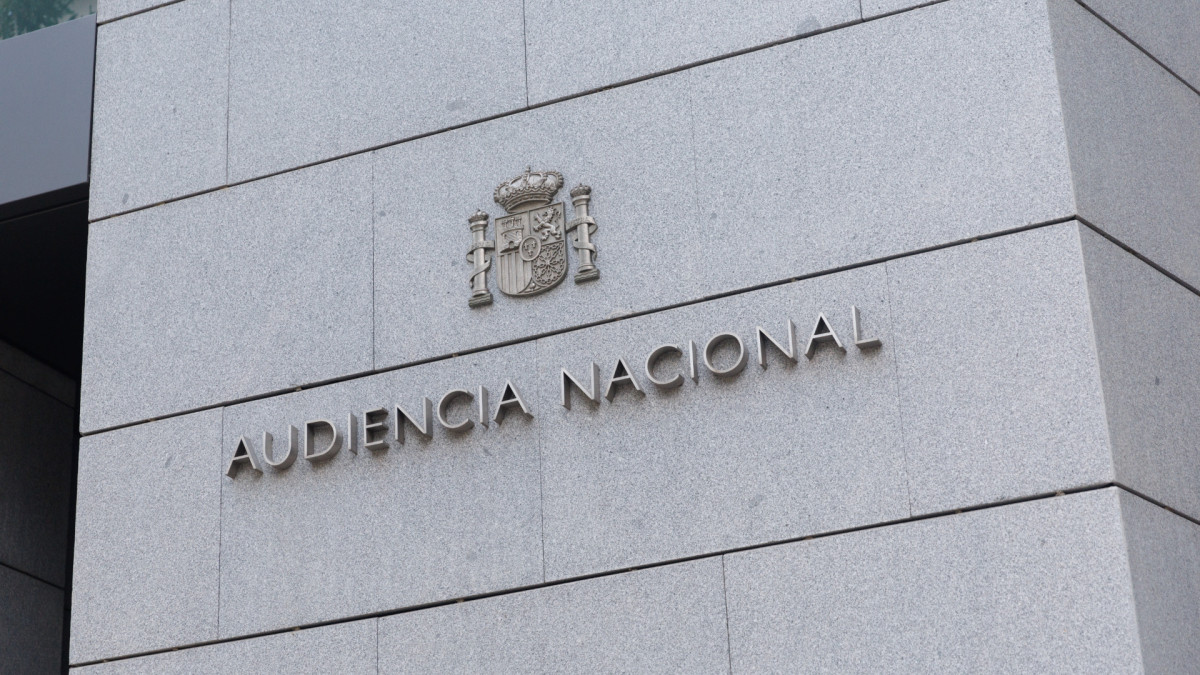
Around 2025, the year on which the analysis focuses, new corruption cases, both at the state and regional levels, numbered 19. Of the 76 proceedings already opened, 52 ended in convictions and 19 in acquittals. The Commission does not detect, however, a significant increase in workload for the Anticorruption Prosecutor’s Office, while the European Public Prosecutor’s Office —which acts when crimes affect EU funds— had four cases open at the end of last year. The EU values the Government’s creation of three new judicial posts in the Audiencia Nacional (where the major cases tend to be handled) and the increase in the Public Prosecutor’s Office staff as measures that will strengthen the efficiency of these cases.
Brussels also highlights in its document the Open Administration Act approved by the Government last February to reinforce the Council for Transparency and Good Governance. The law will define for the first time that body as an “independent administrative authority” and will endow it with greater power to impose sanctions on administrations and bodies that do not provide information. “This reinforcement seeks to ensure effective external oversight of the sectors and activities at highest risk”, states the draft.
“The data indicate that the Office of Conflicts of Interest has a limited capacity to detect, deter or sanction improper conduct”
The improvement has also been limited, according to the European Commission, with regard to its recommendation to strengthen the rules on conflicts of interest and asset declarations for senior positions in the Executive. “The data indicate that the Office of Conflicts of Interest has a limited capacity to detect, deter or sanction improper conduct,” the document asserts, which regards as a positive step that the Public Integrity Act plans to create a state agency that would group the Office of Conflicts of Interest, the Independent Authority for Whistleblower Protection, and the National Anti-Fraud Agency.
As in previous editions, the Commission criticizes the limited progress on regulating lobbying activity and on the transparency of party financing. It also criticizes the budget constraints of the Independent Authority for Whistleblower Protection, which, despite its growing workload — four hundred complaints since September 2025 — has not managed to cover the entirety of its staff.
Just like in the 2025 edition, this year’s report recalls that public procurement remains in Spain a “high-risk area for corruption”. 40% of the companies bidding say that corruption has prevented them from winning any public contract in the last three years (the European average is 30%). The percentage of companies that consider the public procurement system in Spain to be more or less independent has fallen from 61% to 44% in just one year. 34% of contracts are sole-source bids, a share higher than the EU average (28%).
“Society perceives persistent and systemic weaknesses as risks to integrity, low efficiency in bidding and insufficient traceability,” states the Commission. Public contracts for service provision are the most affected by corruption, as well as those for critical infrastructure. Another area particularly vulnerable is party financing.
