
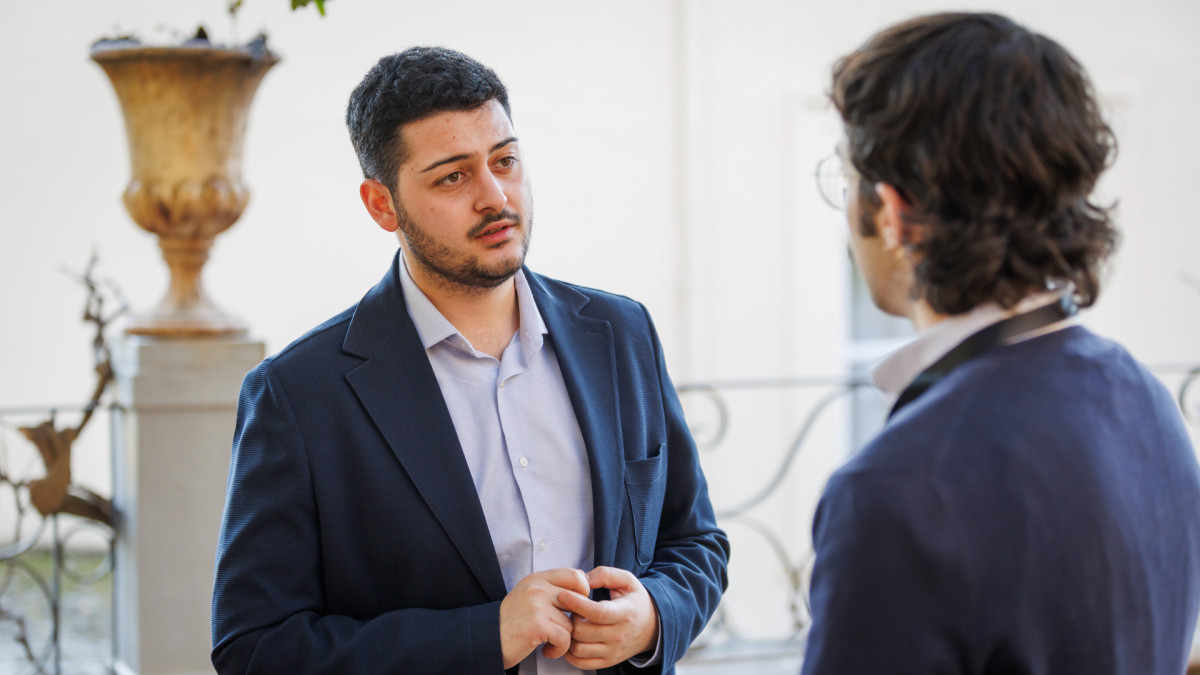
It is the far end of the Costa Brava, the place where writer Walter Benjamin died, and also the municipality with Europe’s youngest mayor. Portbou, with just over a thousand inhabitants, has Gael Rodríguez (2004) at the helm of its Town Hall since last municipal elections. Although today he holds the post at twenty-one, he took charge of his town when he was only nineteen.
The PSC mayor has also been the youngest participant in the Next Gen Forum, and, as he explains in this interview, his youth helps him “reach places where his presence was needed.”
During his tenure, he has faced the invisible barriers caused by his age and has had to navigate a complex demographic crisis. “I, as a young person, didn’t want to emigrate,” he explains, and argues that for this reason he chose the path that led him to become mayor of his town.
While fulfilling the duties of his office, he continues pursuing a university degree. Before we started recording this interview, he confided that he earned more money working at his parents’ bar than as mayor, but that does not stop him from fully dedicating himself to Portbou.
Gael interacts as naturally as possible. He is direct and concise, but has a high degree of political sensitivity and is optimistic: “There are people who will see the town shine again,” he asserts. All of this is clear in this special conversation we held in Granada during the Next Gen Forum and after the closed-door sessions with the other participants.
The “youngest mayor in Europe” takes part in the Next Gen Forum, pushed by Agenda Pública. Photo: Agenda Pública / Álex Cámara
Two and a half years with the label of “the youngest mayor in Europe.” Has it weighed on him or has he learned to use it to his advantage?
From the very first moment I framed my youth as an opportunity. At first it could be seen as a weakness, but we turned it into a trump card.
Beyond appearing in media as “the youngest mayor,” the important thing is that it has helped me reach places where we needed to be to push forward essential projects. The fact that you are known from the outset as “the youngest” opens doors for you.
¿A qué se refiere exactamente?
To be able to reach many places. You are no longer just the mayor of a town of a thousand inhabitants, but “the youngest mayor.” That allows you to reach ministries, directorates, to connect with more people. For example, being here today at the Next Gen Forum. In the end, weaving relationships means having more accessibility to push projects forward.
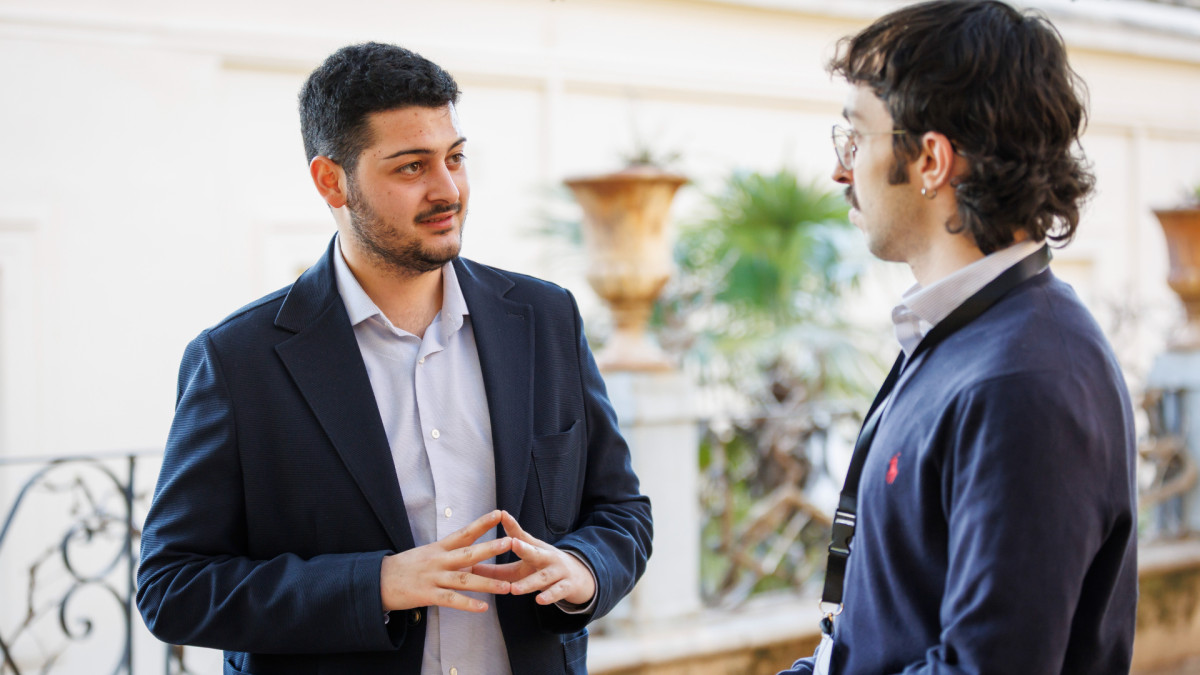
Rodriguez says he uses his youth to his advantage. Photo: Agenda Pública / Álex Cámara
Ya sabe lo que es la administración desde dentro. ¿Qué barreras invisibles ha percibido? ¿Cree que sería distinto con treinta, cuarenta o cincuenta años?
I have given up a very important part of my life, which is youth. Anyone in politics always gives something up, but in my case I have given up a fundamental part of personal growth and the construction of my identity.
“La principal barrera ha sido la inexperiencia, en algunas relaciones y en algunos espacios. Pero, a la vez, eso ha hecho que lo que quizá habría tardado diez años en aprender lo haya aprendido en uno”
I’ve encountered barriers. When dealing with people, you learn every day: you understand people better and how things work. The main barrier has been inexperience, in some relationships and in some spaces. But at the same time, that has meant that what might have taken ten years to learn, I’ve learned in one.
Hablando de barreras, su caso rompe dos: es joven y llega a un cargo relevante en un municipio de mil habitantes, justo cuando muchos jóvenes se van a las grandes ciudades. ¿Qué aprendizaje saca de eso?
Precisely, that’s what I stayed for. One of the ideas that led me to run and offer myself to the citizens to serve them was to see that, as a young person, I did not want to emigrate. I didn’t want to leave my town, but there were no opportunities there.
One of my goals was to build opportunities so that talented people can stay. So they can remain in their home, with their people. So you don’t have to be a waiter for your entire life if that’s not what you want.
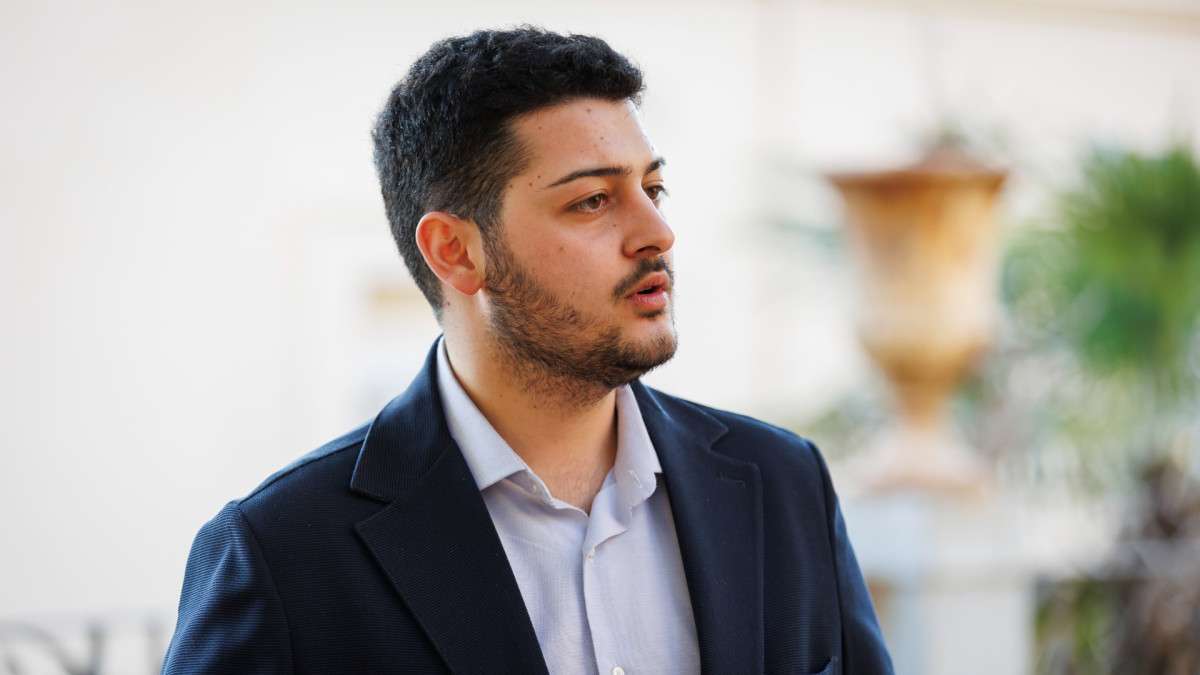
Before his leap to the mayoralty, Rodríguez was a waiter at his parents’ bar. Photo: Agenda Pública / Álex Cámara
Señalaba que Portbou tiene una población envejecida. ¿Cómo se consigue que este electorado deposite su confianza en alguien tan joven?
I believe that the older generation lived Portbou in its glorious days, and our message rekindled the idea of a new, shining Portbou. That older generation saw once again the opportunity to, before they pass away, see their town shine again.
¿Cree que en estos años les ha dado eso?
In the end, generating expectations is very hard. When you propose a change with such ambition, management becomes complicated and projects take time to implement, but we’re on the right track. There are people who will undoubtedly die without seeing it: it has happened already with some elderly people I used to talk to a lot. But there are other people who will see the town shine again.
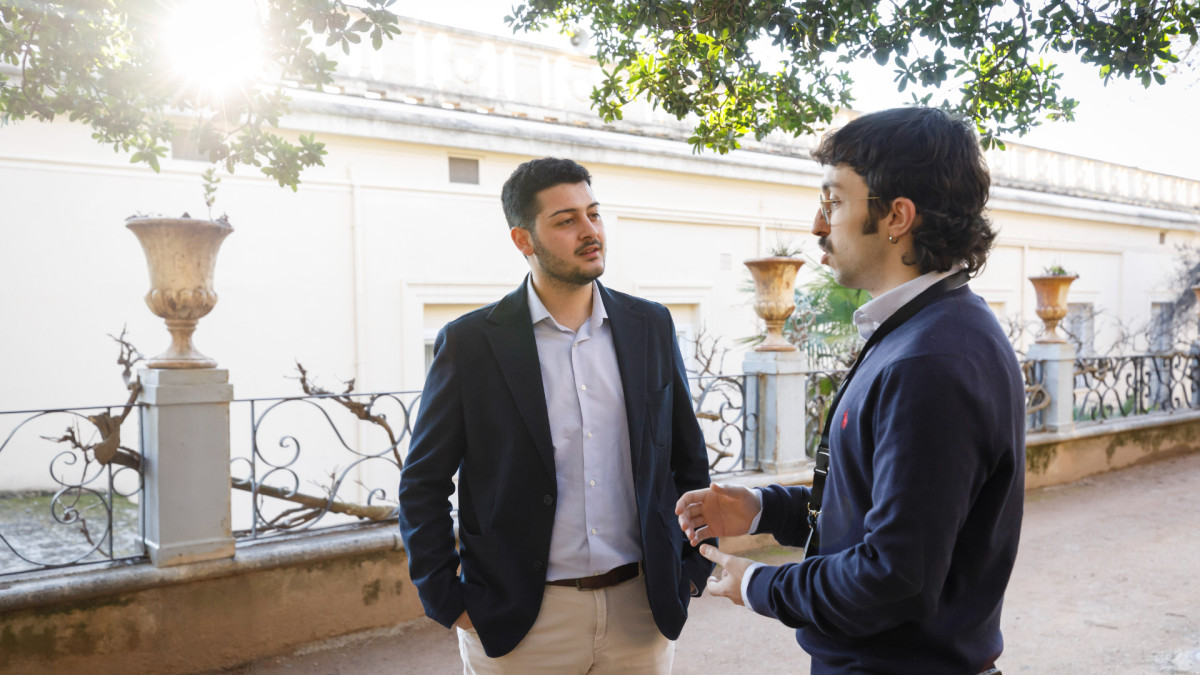
The mayor of Portbou and the writer from Agenda Pública in Carmen de los Mártires palace. Photo: Agenda Pública / Álex Cámara
En el Foro Next Gen se ha hablado del pragmatismo en la política. Se suele decir que los jóvenes somos más idealistas. ¿Cómo se ve usted? ¿Ha cambiado su percepción?
I am completely idealistic. I am a very passionate person: I try to do everything with the utmost passion. I am of strong emotions. I like excitement, I like tension, I like to live the moment with intensity, as if it were the last day.
Perhaps also because at seventeen I was on the edge of death when I was hit by a car. Passion is fundamental in my day-to-day. When you combine it with pragmatism it can clash, but one has to see how we make passion pragmatic: turning dreams into reality.
Muchas gracias.
