
A settlement in a California county curbed a controversial cannabis-related code-enforcement scheme and highlighted the risks of turning minor violations into government revenue.
Thanks to a settlement with several property owners, a wrecking ball is poised to strike Humboldt County’s cannabis code-enforcement program—a system that piled crippling fines on individuals who contend they did not commit the violations in question.
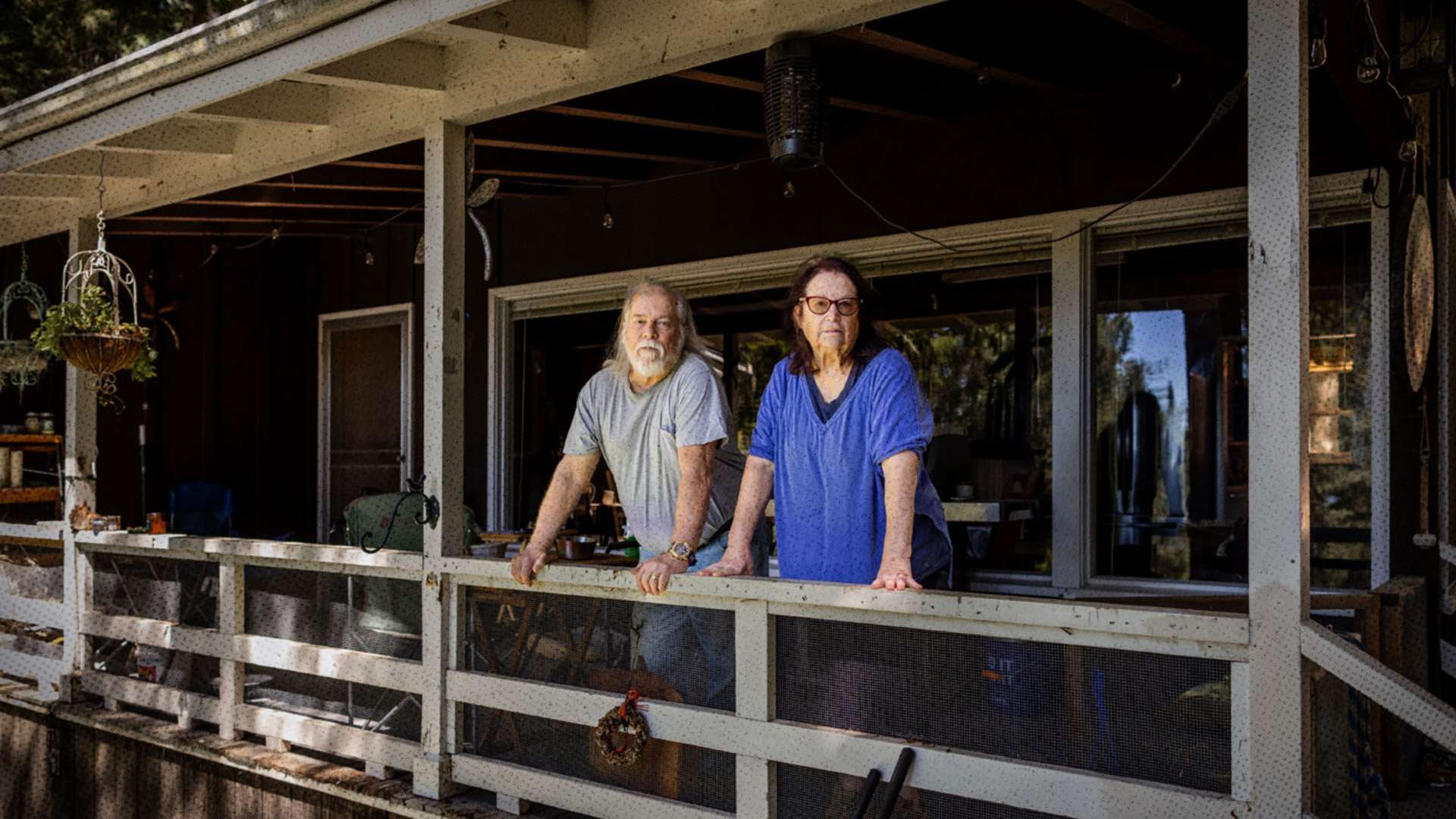
Corrine and Doug Thomas, two of the plaintiffs, faced more than a million dollars in civil penalties. Humboldt County claimed that the Thomases’ property—owned previously by Summerville Creek LLC—had violated the county’s commercial cannabis land-use ordinance, plus “a building or structure in violation of building, plumbing, and electrical codes,” and “facilities or activities in violation of the commercial cannabis land-use ordinance.” The Thomases argued that the issues did not concern them, having purchased the site after a wildfire destroyed their home in Los Angeles County.
Yet six days after they moved in, they were confronted with the penalties. Under county policy, fines could accumulate at twelve thousand dollars per day for up to ninety days, and that clock ran even while the owners awaited a hearing—an event that could take years to occur. In their case, they were offered an option to tear down the supposedly offending structure, but that remedy would have cost about $180,000 in demolition plus additional fines and fees.
Where did the government obtain its information? The Institute for Justice (I.J.) contends that code-enforcement officers “scour satellite imagery for what looks like unpermitted development” on a property—think a greenhouse, a new building, a graded flat area, or trees removed without a permit on record. The County then assumes, without any evidence or further investigation, that the landowner must have developed the property without a permit because cannabis was being grown. In Humboldt’s view, there simply aren’t other plausible explanations for why someone wouldn’t obtain a permit before building a shed, a barn, or a greenhouse in rural areas.
I.J. represented several other plaintiffs in the case. Among them was Blu Graham, who waited four and a half years to obtain a hearing to demonstrate that he was growing vegetables (not cannabis) in his greenhouse. Another client was Rhonda Olson, who faced $7.4 million in penalties directed at the previous owner of a property she had purchased for $60,000.
The Supreme Court declined to hear the petition, which argued that the plaintiffs possessed a Seventh Amendment right to a jury trial in such matters. Instead, they had to contest the fines in administrative hearings held by the government, where success was predictably unlikely. However, the U.S. Court of Appeals for the Ninth Circuit kept the case alive, ruling that the plaintiffs plausibly alleged that the code-enforcement scheme violated the Eighth Amendment’s ban on excessive fines.
Subsequently, the county agreed to a settlement. The agreement imposes new safeguards for the future: a warning letter must be sent before penalties are imposed, and due-process protections must be observed—most notably, fines may be delayed until a hearing concludes, and the hearing must occur within sixty days. In addition, the plaintiffs’ fines and fees were forgiven.
The system likely emerged, at least in part, to capitalize on cannabis revenue after legalization. It fits into a broader pattern of local governments using code enforcement as a revenue tool. For instance, Sandy Martinez of Lantana, Florida, owes more than $165,000 in penalties plus interest for minor code infractions such as parking on her own grass. Florida’s authorities say such penalties are not excessive.
