
The briefs filed in the transgender sports cases carried captions that read “By next friend,” yet the Supreme Court docket listed the case as “By her next friend.”
Each Supreme Court opinion starts with a caption. Most of the time that caption is routine, but on occasion it signals a noteworthy point. Sometimes a court of appeals will label a case one way while the petitioner labels it differently. What rule governs this? Should the Supreme Court defer to the styling chosen by the lower court, by the petitioner, or by the respondent?
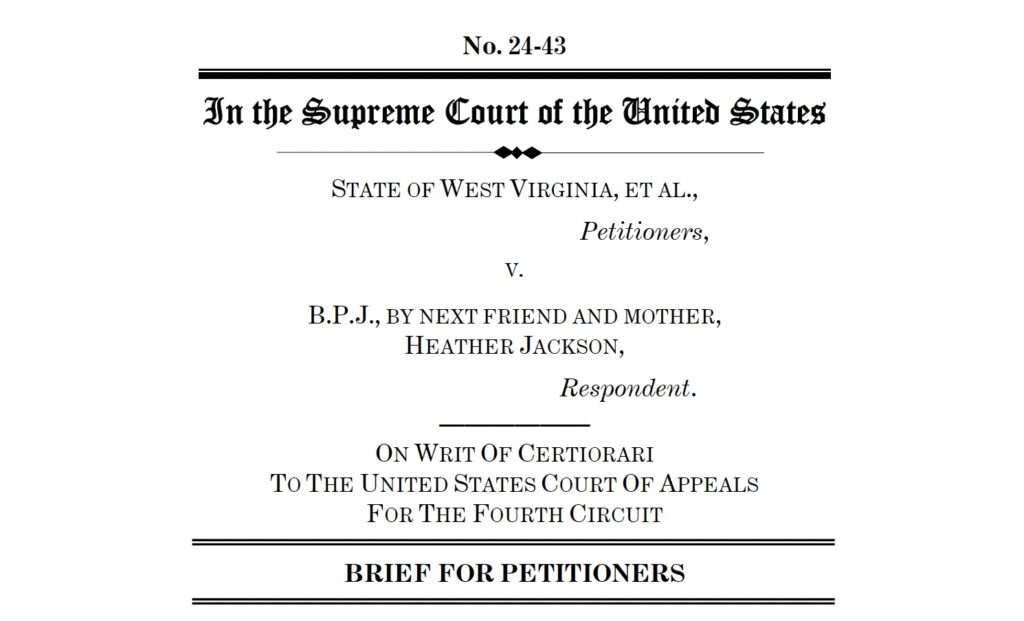
In July 2024, West Virginia submitted a petition for certiorari in a case captioned STATE OF WEST VIRGINIA, ET AL., Petitioners, V. B.P.J., BY NEXT FRIEND AND MOTHER, HEATHER JACKSON, Respondent. Notably, the caption contained no female pronouns; it read “by next friend” instead of “by her next friend.”
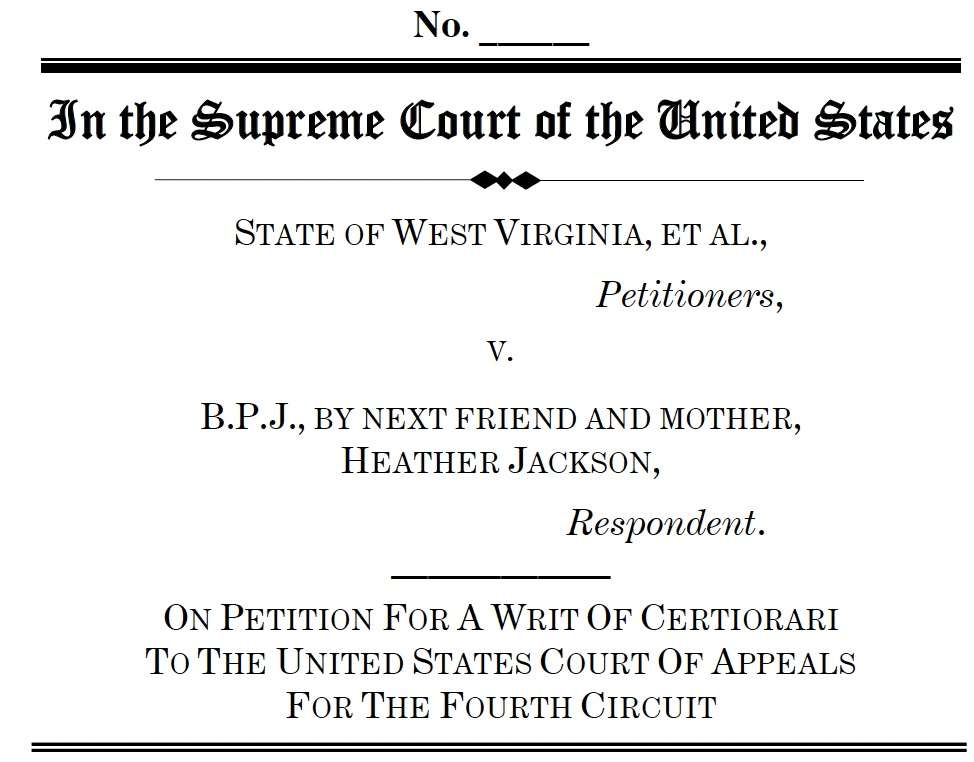
B.P.J.’s brief in opposition to cert, filed by the ACLU in October 2024, used the same caption, and did not include a female pronoun.
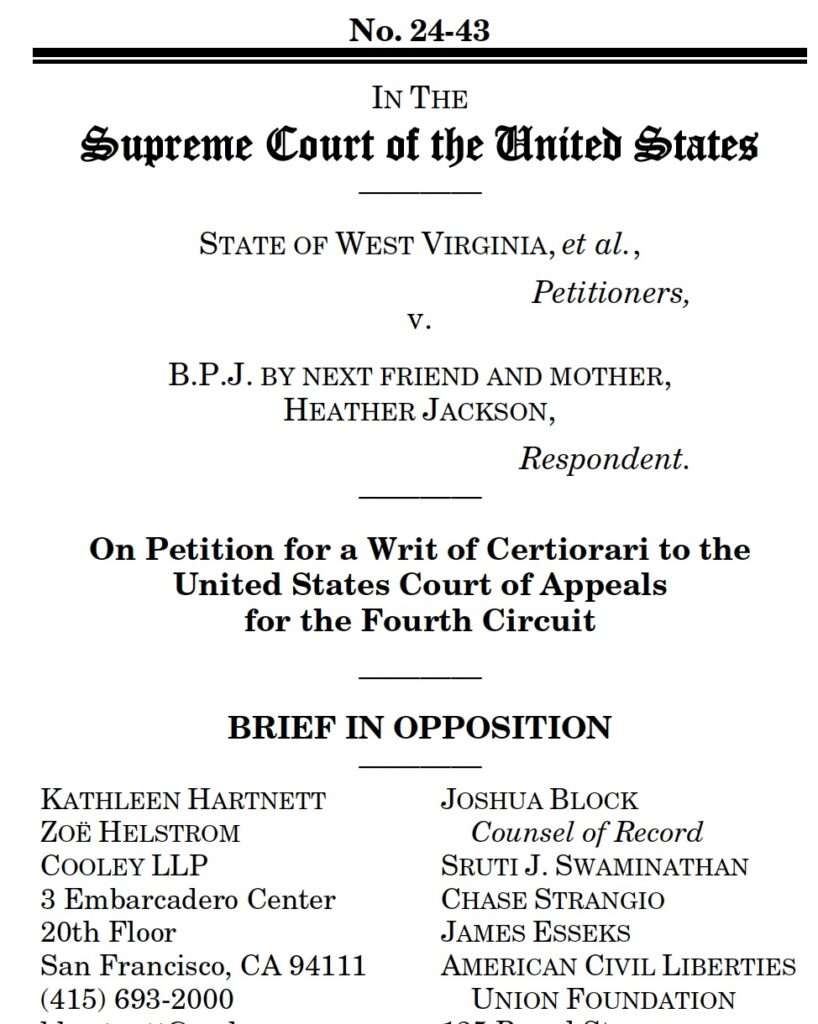
The Supreme Court’s docket page showed the female pronoun “her.” The Internet Archive captured that page in early November, shortly after the BIO was filed. Once again, that caption existed before the case was conference
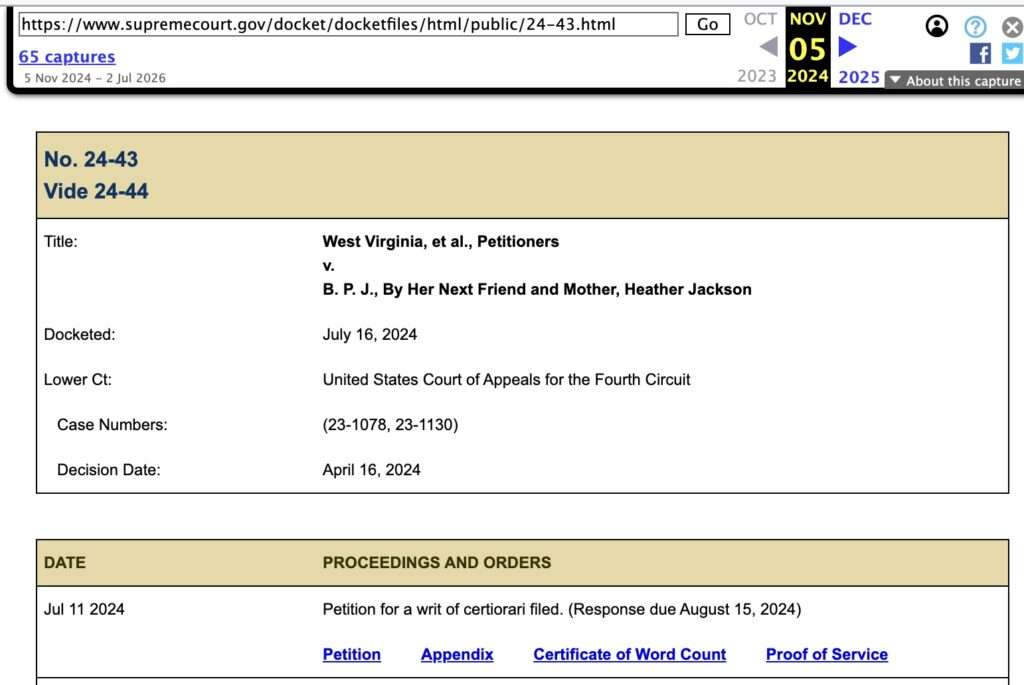
Here, at least, the Court followed the Fourth Circuit’s decision, which used the pronoun “her.”
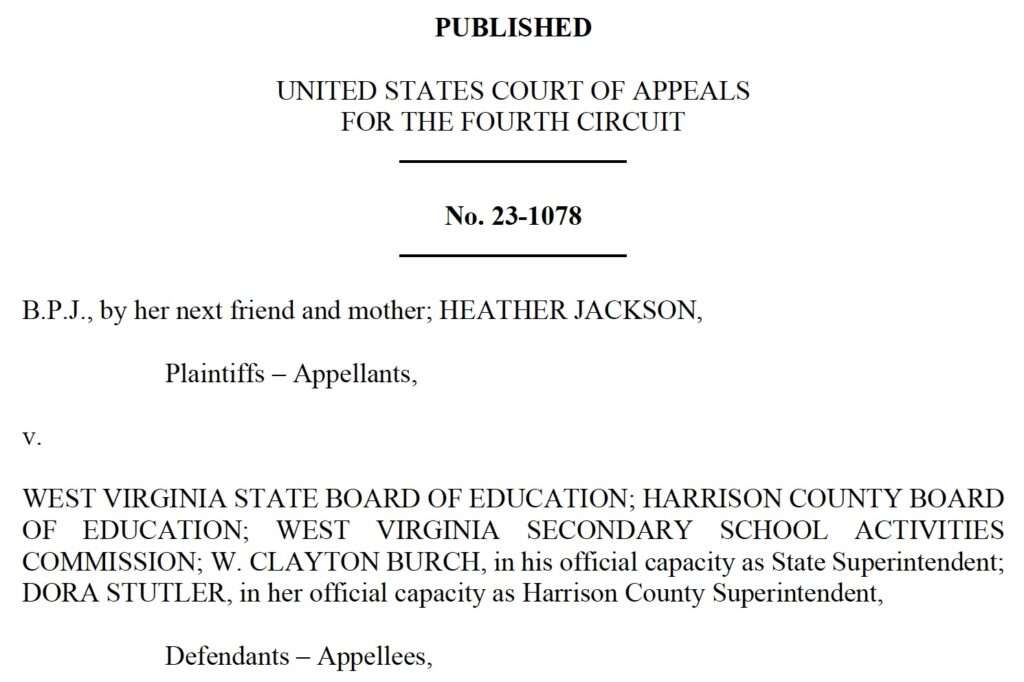
However, both sides selected captions that left out the pronoun. And the Court ignored that choice. In truth, that choice carries real significance. West Virginia’s entire argument was that B.P.J. is not a she/her, but a he/him.
The ultimate ruling included the female pronoun.
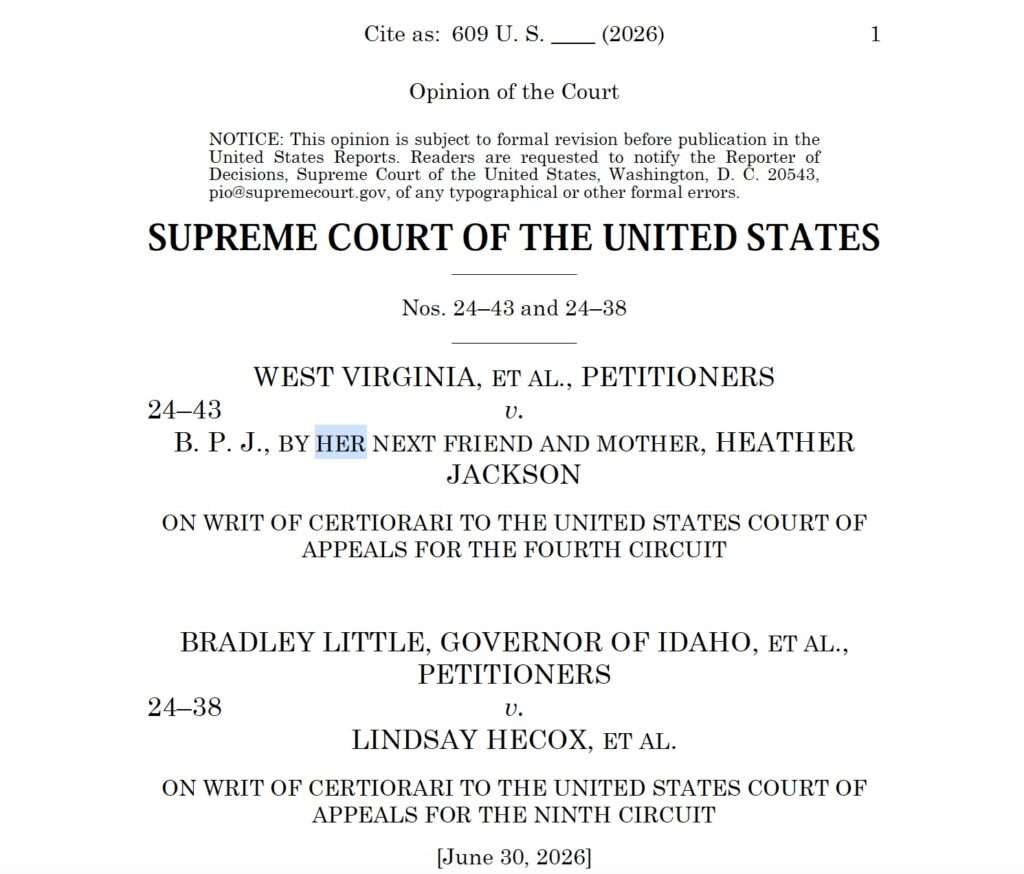
Justice Kavanaugh’s majority opinion avoided any reference to a female pronoun for B.P.J. Similarly, Justice Gorsuch’s concurrence steered clear of female pronouns when talking about B.P.J. By contrast, Justices Sotomayor and Jackson, in dissent, repeatedly used female pronouns.
This isn’t a new phenomenon. Back in 2017, the Supreme Court’s Clerk’s Office admonished litigants who refused to use the male pronoun in amicus briefs in Gloucester County School Board v. G.G. Ed Whelan chronicled the dispute in a three-part series. At the time, the Clerk asserted that parties were required to adhere to the case’s docketed name. Yet in B.P.J., it appears that the parties were (apparently) bound to follow that caption, but they did not.
West Virginia’s merits brief did not contain a female pronoun.
And the ACLU’s merits brief likewise contained no female pronoun. I wonder whether any of the attorneys noticed, or if they simply reused the template from earlier filings.
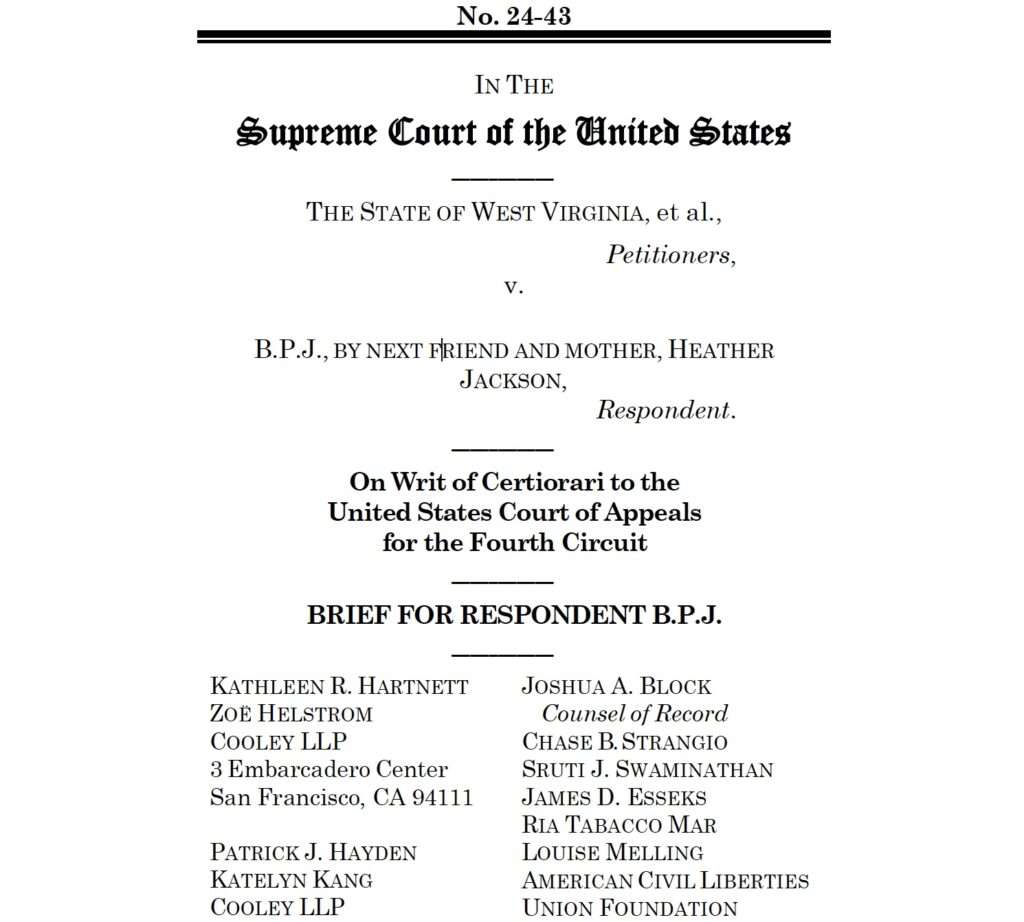
In short, only the Supreme Court itself assigned a female pronoun to B.P.J., not the parties.
I reached out to the Court’s public information office and received this reply:
The Clerk’s Office followed it’s standard practice of using the caption language of the court of appeals.
There are at least one or two cases that might contradict this approach, such as Sossamon v. Texas.
In that matter, litigated in the lower courts, the defendant was styled as “The Lone Star State of Texas.”
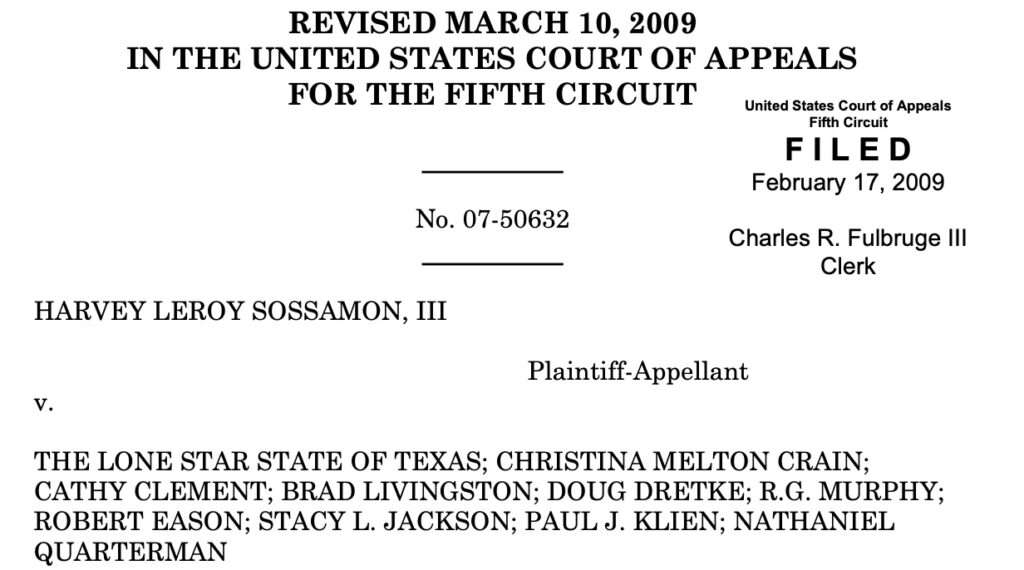
Yet the cert petition, by contrast, listed the respondent simply as “Texas.”
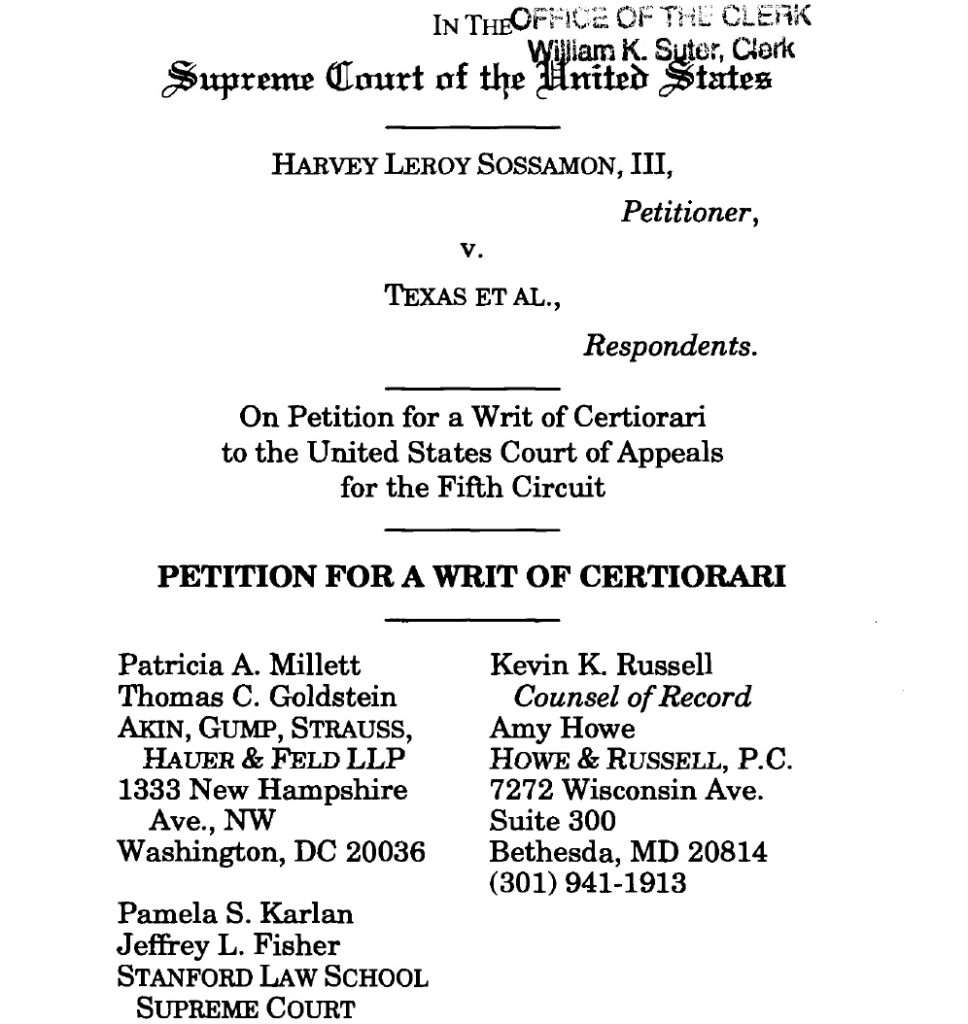
The cert petition, however, merely listed the respondent as “Texas.”
The Supreme Court’s docket and the final ruling did not defer to the Fifth Circuit’s determination. Instead, the Court adopted the petitioner’s styling.
Jump ahead roughly fourteen years. The Fourth Circuit decides a case titled Planned Parenthood S. Atlantic v. Kerr. A cert petition is filed by ADF in a case labeled Kerr v. Edwards. ADF elects to name the case after Edwards, one of Planned Parenthood’s Medicaid clients. (One can infer there were strategic reasons for this choice.) The brief in opposition filed by Planned Parenthood is styled Kerr v. Planned Parenthood South Atlantic. Before the case is conferenced, the Court selects the Fourth Circuit’s labeling and designates Planned Parenthood as the lead respondent.
I invite emails that point out any other pertinent examples.
