
Trump has criticized diversity, equity, and inclusion initiatives for lowering hiring standards. A whistleblower now asserts that ICE engaged in such practices intentionally.
While seeking reelection, President Donald Trump repeatedly made illegal immigration a central theme of his campaign. He vowed that on day one he would launch the largest deportation operation in American history to remove the nation’s criminals.
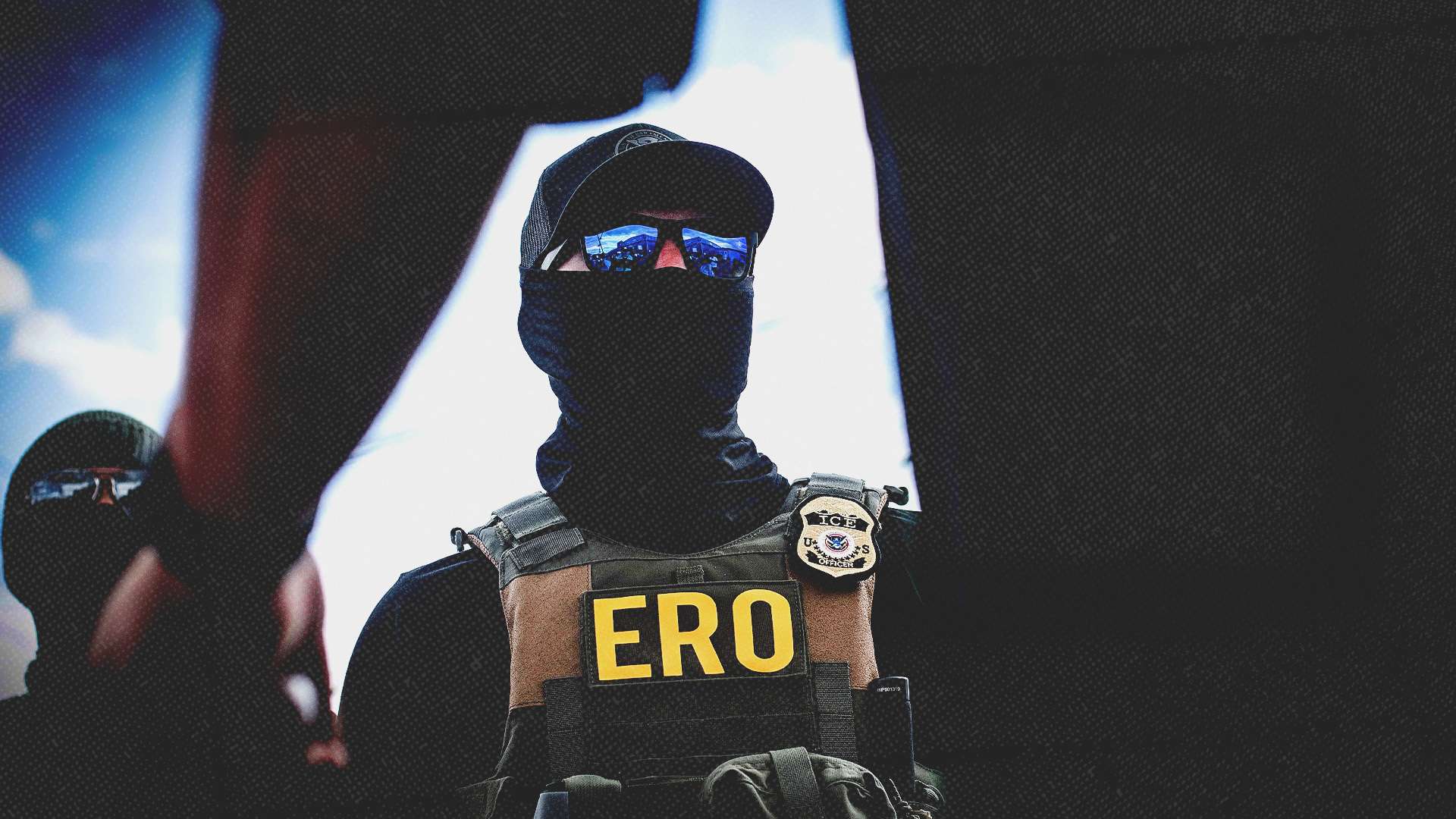
One tactic devised to reach this objective was to expand the workforce. With a substantial funding boost, U.S. Immigration and Customs Enforcement (ICE) rolled out a vigorous recruitment drive, pouring millions into new trucks and SUVs and offering prospective hires high starting pay and signing bonuses of up to $50,000. In January of this year, ICE boasted that its ranks had more than doubled in a matter of months, growing from 10,000 to 22,000 officers and agents.
That growth naturally raises questions about how these hires were vetted and trained. It appears a whistleblower within ICE raised concerns even at the time.
“In the aftermath of a summer hiring surge, an official responsible for evaluating new recruits at U.S. Immigration and Customs Enforcement issued a stark warning,” reported Alexandra Berzon, Katie Benner, and Hamed Aleaziz in The New York Times. “The Trump administration, he wrote in a memo, was cutting corners, breaking the law, and fast-tracking unqualified, ‘improperly vetted’ candidates into ICE’s ranks, part of a dangerous move that exposed the agency—and its law-enforcement operations—to ‘grave national security risks.'”
According to the Times, the unnamed official noted “shortcuts in the agency’s preliminary vetting process: no credit checks, fingerprints not verified, final job offers issued without preliminary screening.” He said officials pressured assessors to decide on hires before background checks were finished, while the ICE training program was shortened from ten weeks to six—meaning candidates were sent to training and even assigned to work before their background checks were completed.
The Times described the whistleblower as “a 17-year ICE veteran,” “a longtime Republican who voted for Mr. Trump in 2020 and 2024,” and “a unit chief who directly oversaw more than a hundred staff who evaluated thousands of ICE applicants” before retiring in July. He apparently felt so alarmed that he bypassed the formal chain of command and submitted the memo directly to the Department of Homeland Security Office of the Inspector General as a whistleblower complaint. He did so, the Times noted, “because ICE leadership had created these issues and he believed an independent external inquiry was necessary.”
In August 2025, the same month as the whistleblower’s complaints, ICE’s acting director at the time, Todd Lyons, announced an “audit” of the agency’s “processes for hiring and training agents,” though no results have yet been made public.
Otherwise, it seems the government gave little attention to the problem. Six months after filing his complaint, the whistleblower says an Office of the Inspector General attorney contacted him, but rather than probing his allegations, the attorney seized his laptop and asked whether he had spoken to the press. He was placed on leave for unspecified “allegations of serious misconduct” before being reinstated ten months later without fanfare.
Of course, this does not come as a surprise to many. Testifying before Congress in February, former ICE instructor Ryan Schwank described the agency’s new training program as “deficient, defective, and broken,” warning that it “can and will get people killed.”
Sen. Gary Peters (D–Mich.), the ranking member of the Senate Homeland Security and Governmental Affairs Committee, told Military.com in January that he had “serious concerns about how ICE managed to determine fitness, train, and onboard 12,000 new front-line personnel in less than a year, especially given the recruitment challenges the agency has faced in recent years.” Peters’ aide added that the senator remains uneasy about potential “lowered standards and inadequate preparation.”
The consequences of inadequate training and vetting are evident: in January alone, federal agents—one with ICE and another with Customs and Border Protection—killed two bystanders in Minneapolis. ICE officers have also arrested numerous American citizens—sometimes multiple times—using excessive force.
All of this runs counter to other actions taken by the Trump administration.
Since the start of his second term, Trump has targeted diversity, equity, and inclusion (DEI) programs, which promote hiring from minority communities. In a January 2025 executive order, he directed all federal agencies to end DEI practices, arguing that they “threaten the safety of American men, women, and children nationwide by diminishing the value of individual merit, aptitude, hard work, and determination when selecting people for positions and services in key sectors of American society.”
The following month, his administration dismissed four lawsuits accusing local police and fire departments of racially discriminatory hiring practices. Trump, meanwhile, asserted that the hiring processes were “race-neutral,” and replacing them with more race-conscious policies would “lower standards and jeopardize public safety.”
“Americans deserve only the best protecting them,” he contended, “and in the Trump Administration, anything less is unacceptable.” Regrettably, the same cannot be said for ICE officers.
