
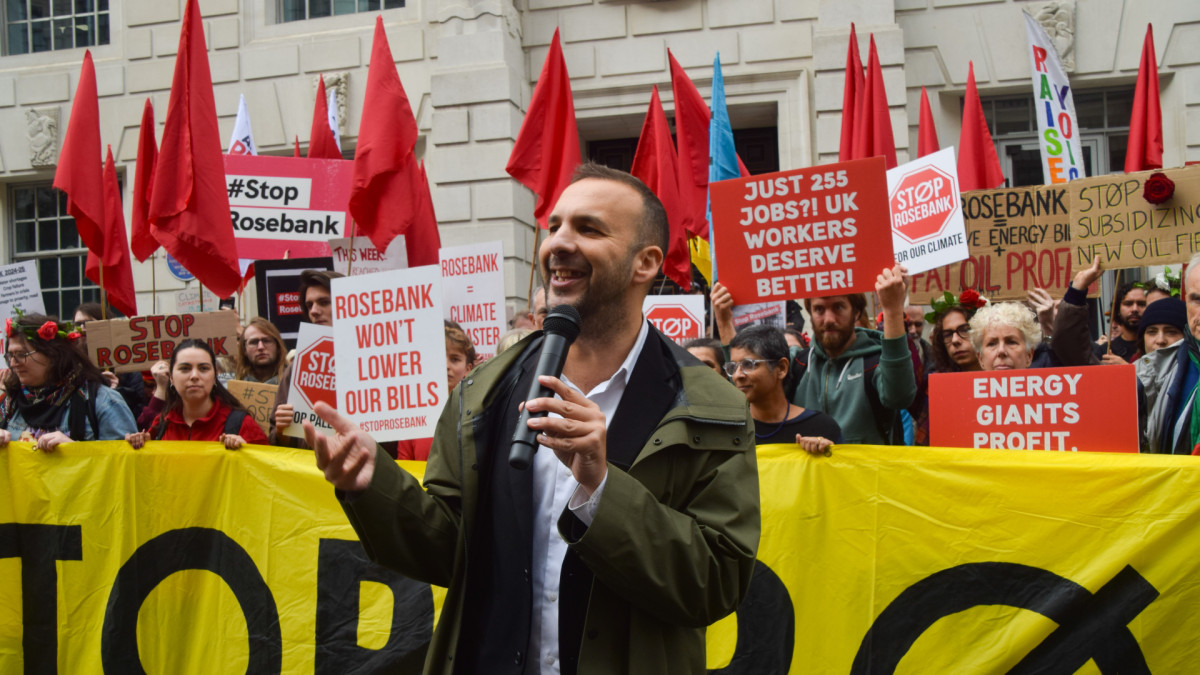
On May 7, Reform UK Party, led by Nigel Farage, won the British local elections for the second year in a row. However, the most striking aspect of the day was not that victory, but the Labour Party’s collapse in London’s 32 boroughs, the urban stronghold that for years has acted as a bulwark against populism.
The party of Prime Minister Keir Starmer lost 459 seats, nearly half of those it held. Reform UK contributed to that decline by securing representation for the first time in London boroughs. But the main culprit of Labour’s setback was the Green Party. Since Zack Polanski was elected leader, the Greens have been contesting Labour’s left-wing vote with increasing strength. They have risen from 11 seats to more than 275. Although they remain a minority, they already pose a real threat to Britain’s weakened two-party system.
As is happening in many established democracies, the traditional British parties are undergoing a deep crisis. More and more citizens distrust them and seek alternatives. According to the Ipsos Populism Report 2025, 72% of Britons believe that the country’s economy is rigged to benefit the rich and powerful, the highest percentage since the study began in 2016. Additionally, two out of three believe that parties and politicians do not care about ordinary citizens.
“The same discontent has also opened space for leadership that aims to renew institutions to fight inequalities and correct the system’s faults”
This social context favors the rise of anti-system forces. For this reason, in recent years we have seen how far-right options gain strength, challenging and eroding liberal democracy. The same discontent has also opened space for leadership that seeks to renew institutions to fight inequalities and correct the system’s faults. Zohran Mamdani, elected this year as New York’s mayor, is one of the most prominent examples of this current.
Polanski and the British Greens now must decide which path they want to take. On Instagram, the leader posts approachable and impactful content very similar to what propelled Mamdani: he questions citizens on the street, conducts interviews with influencers and podcasters, and proposes measures benefiting the most disadvantaged.
However, on Bluesky, where the audience tends to be far more politicized, Polanski also reveals another face that isn’t as palatable. A few days before the campaign, The Economist published a piece originally titled The Prickly Side of the Green Party Leader. In it, they revealed that he tended to give likes and push messages with attacks and insults against members of the British establishment, including journalists from well-known outlets like The Guardian.
For years, various academic studies have analyzed the so-called anti-media populism, a strategy that consists of targeting the media to gain notoriety and highlight the anti-system character of leaders and parties. It is a maneuver typically employed by the far right. Although they did not cite this specific concept, it is not surprising that in The Economist’s article they warned that Polanski was adopting a strategy similar to Nigel Farage and Reform UK.
“Progressivism is in dire need of fresh narratives that help connect with a growing, discontented population that no longer identifies with traditional politics”
Depending on which path the Greens ultimately choose, their recent rise in London could be a cause for optimism or concern. Progressivism is in urgent need of fresh narratives that help connect with a growing, discontented population that no longer identifies with traditional politics. As happened in New York with Mamdani, there are new leaders who can help rebuild the relationship between representatives and the represented. But how they do it matters. A lot.
If they take shortcuts by applying radical strategies that focus more on razing the traditional system than on offering a new alternative, they will only be aiding the far right to make everything burn faster. If Polanski decides to pursue that path, it could be very dangerous that populism has found a figure who handles the new digital channels so well and who can enter London’s boroughs like a Trojan Horse. We will have to wait and see what happens.
