
More: Financial struggles for urban thirty-somethings, a Chinese stock market meltdown, protests in France, and more…
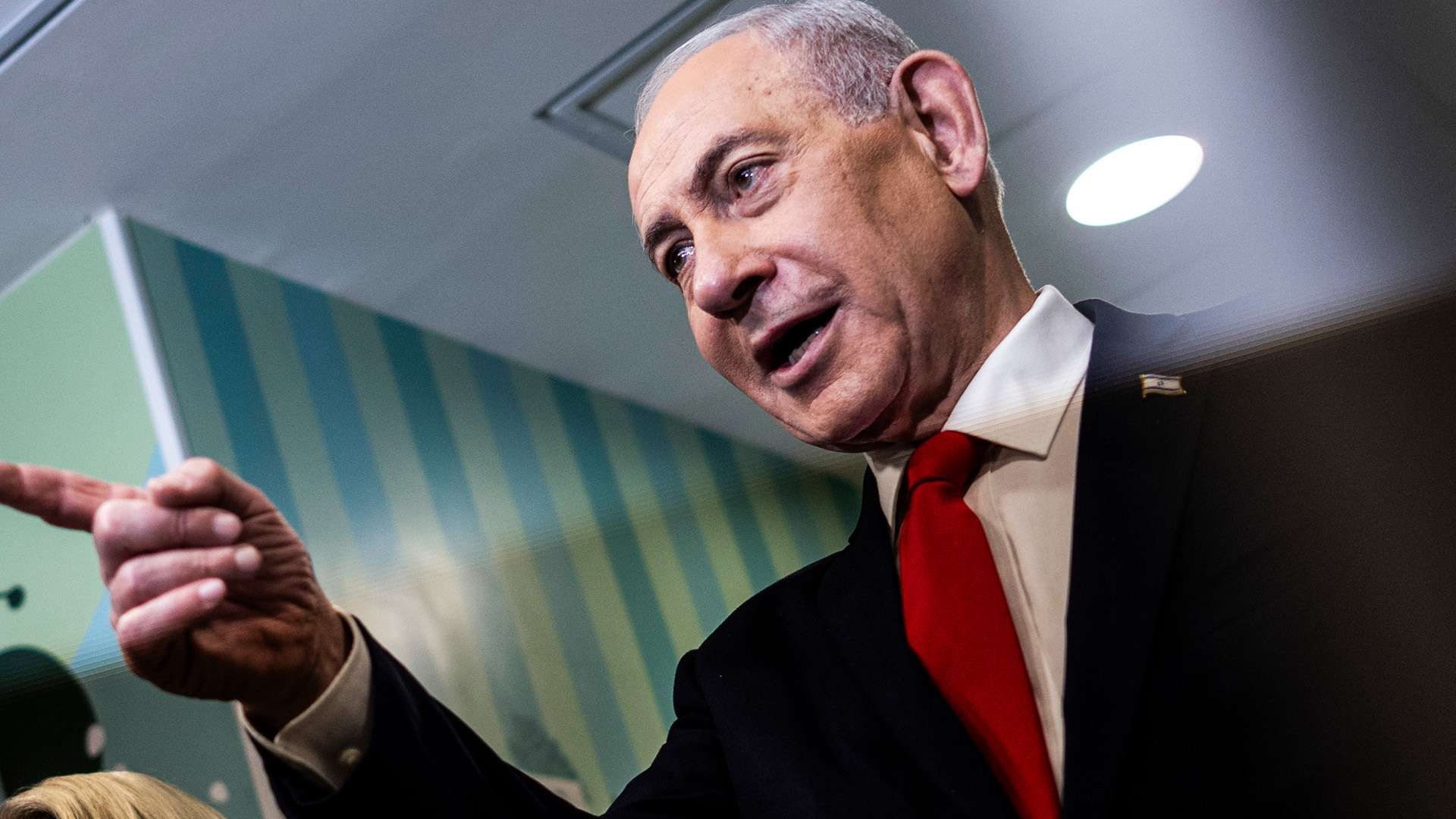
Will Bibi endure this moment? Israelis are heading to the ballot box today for their first vote since the attacks of October 7, 2023. The contest is broadly viewed as a referendum on Benjamin Netanyahu’s leadership, a figure many Americans know as Bibi. Supporters argue that the past several years have brought notable gains, citing achievements such as capturing large swaths of Gaza, a significant expansion of West Bank settlements, the defeat of Hezbollah in Lebanon, and successful persuasion of President Donald Trump to confront Iran—”all while delivering a forceful defense of Israel against charges of war crimes and genocide,” as The Washington Post noted.
The Reason Roundup Newsletter by Liz Wolfe Liz and Reason help you make sense of the day’s news every morning.
Yet, as The Washington Post notes, a substantial segment seeking change has rallied behind Gadi Eisenkot, a centrist former military chief, who, according to late polls this week, held a slight edge over Netanyahu. Leading a broad coalition that spans from Naftali Bennett, a former prime minister who once oversaw a West Bank settlement council, to Yair Golan, a retired general known for his conciliatory stance toward Palestinians, Eisenkot has promised to probe Netanyahu over the Oct. 7 response, compel ultra-Orthodox enlistment, and curb aggressive settlers in the West Bank. Eisenkot argues that the war against Hamas has been mishandled, given the group’s continued hold on power, and he criticizes Netanyahu’s conduct during wartime.
Turnout so far has been strikingly high, the strongest in 45 years—though the voting day isn’t over; by mid-afternoon in Israel, roughly 3:30 p.m., results were still pending. Polls close at 10 p.m. An estimated 70,000 Israelis have returned from abroad to cast ballots.
Kalshi and Polymarket betting markets appear to favor Eisenkot winning; public polling is less optimistic.
Who ends up steering Israel, and how strong a mandate they believe they possess, will significantly influence U.S. policy in the Middle East; tensions with Iran remain elevated, and although less visible than before, shipping through the Hormuz Strait continues to face disruptions with no immediate solution in sight. Given the complexities of assembling a government, a definitive answer will take time, but the coming days should reveal indicators of how Israelis view Netanyahu, his legacy, and the road ahead.
Scenes from New York: “A sizable cohort of young professionals in their thirties has hit a breaking point in recent years and relocated en masse to start families, fueling a decline in New York City school enrollments,” reports The New York Times in a thought-provoking piece about people in their 30s juggling tight finances and delaying milestones like marriage, childbearing, and home ownership. One 31-year-old Queens teacher reflected, “Am I entitled to what my parents had? I’m not sure,” adding, “But it’s hard to accept that it might not be possible.”
I’m inclined to think these concerns aren’t entirely off-base; the trade-offs are brutal right now, with rents spiraling. It’s a pity that many New Yorkers don’t fully grasp how market-distorting policies (such as rent control and stabilization) contribute to runaway housing costs, while public sentiment increasingly leans toward subsidies (like free childcare) to ease the burden of living in the city.
QUICK HITS
- DoorDash is negotiating to acquire Instacart; maybe someone should check on Elizabeth Warren?
- “While global tech equities wobble, China’s markets have already tumbled as dizzying valuations collapse under fears about AI demand and export restrictions,” Reuters notes. “The crash, driving the STAR50 index down roughly 40% in under four months and erasing about $480 billion in market value, foreshadows volatility in global markets and dampens China’s push to mobilize savers into stocks for the AI boom.”
- “Most classrooms, most of the time, drift through teaching with a mix of lectures and activities—similar to how classrooms typically blend phonics and guess-and-bluff reading approaches,” writes Kelsey Piper for The Argument on how curricula are shaped. “Addressing this requires more than bold claims about what works; it demands changes in teacher training, curricular materials procurement, and outcome measurement.”
- “Clashes broke out in Paris as a massive march wound down on Saturday, with over 400,000 demonstrators across France protesting school funding and rising living costs against President Emmanuel Macron,” reports the Associated Press. “Police carried out nearly 1,000 arrests,” the government said.
- Don’t miss this week’s Reason Roundtable!
- And for my household, we’ll keep planning epic hockey-themed parties and resist any AI takeover with style:
I cannot be replaced by AI because I dream up extremely niche and quirky themes. For example, my son’s fourth birthday was “Miracle on Ice, USA vs. Soviets 1980 Olympics at Lake Placid” (we painted the hockey players ourselves, which is why they’re a little rough). pic.twitter.com/JhwJCTDdYa
— Liz Wolfe (@LizWolfeReason) October 26, 2026
