
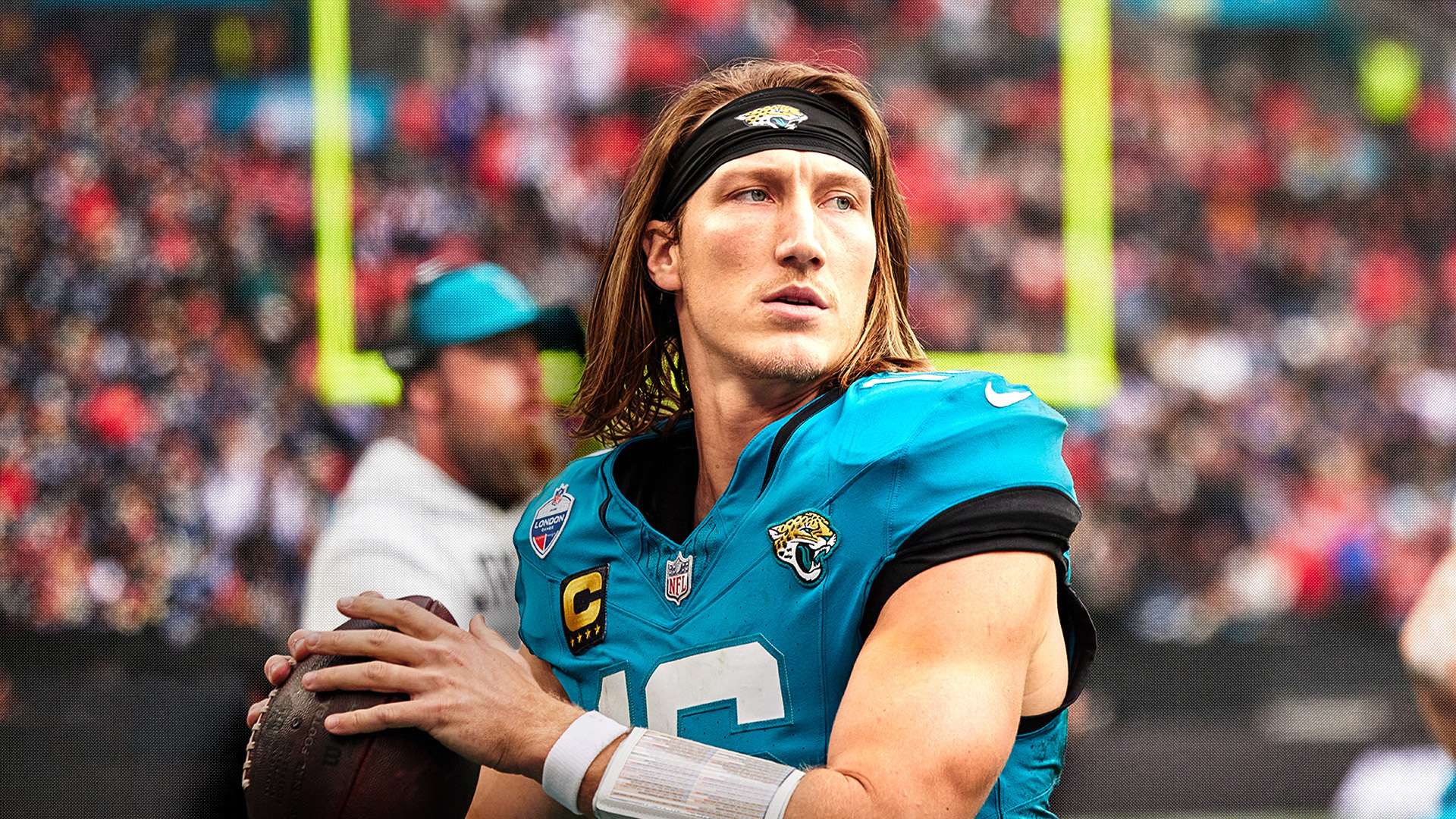
As the Jacksonville Jaguars face the Indianapolis Colts today, only around 42,500 spectators will fill EverBank Stadium. For a club atop its division standings, with a quarterback considered an MVP candidate and real hopes of a title, that turnout is surprisingly small. The issue isn’t apathy from fans. It’s the renovation project of the stadium, now 31 years old—the latest in a long lineage of taxpayer-backed sports ventures in the NFL.
Jacksonville residents are committing $775 million to renovate the Jaguars’ stadium. Democratic Mayor Donna Deegan sealed the agreement, and the Jacksonville City Council gave its blessing in June 2024. Yet the negotiations began under her Republican predecessor, Lenny Curry, whose administration had negotiated a memorandum of understanding with the team in May 2023 that would have split the cost of the stadium and surrounding development 50–50. Curry later urged the council to back Deegan’s plan, calling it a win for taxpayers.
An August 2023 analysis by Tourism Economics, paid for by the Jaguars, projected a $21.7 billion economic impact between 2028 and 2052. The figure begins with about $10.3 billion in direct spending—such as franchise payroll, marketing expenditures, and event operations—and then adds estimated ripple effects from suppliers and workers across the local economy. Deegan herself later highlighted a $26 billion impact over the 30-year lease.
Researchers like Neil deMause of Field of Schemes describe studies of this kind as often being “PR missives meant to provide pretend numbers that elected officials can use as justification for handing over hundreds of millions of tax dollars to a private sports owner.” he tells Reason.
The Jaguars’ own analysis, already appearing to overstate several aspects, supports deMause’s assessment.
The study assigns about $700 million over 25 years to the category of “mega events visitor & operator spending.” Its illustrations include the Super Bowl, the NFL Draft, and College Football Playoff games.
Yet in October 2025, Jaguars owner Shahid Khan told the British sports outlet talkSPORT:
A Super Bowl now has really graduated to [an] event where it needs infrastructure besides the stadium, hotel rooms, infrastructure, and so on, and Jacksonville doesn’t have that. It does have the ability to host other NFL events, maybe the draft, and maybe some other elements, but the city will have to develop before we can be in the mix.
That Jacksonville lacks adequate premium hotel capacity for a Super Bowl isn’t news. The city once docked cruise ships downtown to accommodate visitors for Super Bowl XXXIX in 2005. Khan himself stated in 2016 that a Jacksonville Super Bowl was “absolutely not” going to happen.
Including the Super Bowl in the study, years after the owner himself dismissed it, is exactly the type of detail that makes people skeptical of stadium economic impact projections.
Downtown Jacksonville’s lack of upscale hotel space helped spur the city to offer Khan incentives worth up to $82 million in taxpayer grants for a luxury Four Seasons hotel, part of a roughly $134 million incentives package tied to his riverfront development opposite the stadium. The deal was first approved under Curry in 2021 and expanded again in 2025 under Deegan.
Reason asked J.C. Bradbury, an economist at Kennesaw State University, whether Jacksonville should subsidize a hotel from a chain whose Orlando site charges over $1,700 nightly. Bradbury answered that “providing ‘incentives’ to the billionaire owner’s hotels across the street is not defensible public policy.”
The study’s attendance forecast raises another doubt about the project’s economic promise.
Tourism Economics projects 848,100 attendees annually, with Jaguars home games accounting for 62 percent of that total. That leaves roughly 322,000 attendees each year at other events.
The annual Florida-Georgia football game and Monster Jam would account for two sellouts of about 70,000 spectators each. The Gator Bowl, played around New Year’s, has struggled; its last two editions drew fewer than 32,000 fans. And in 2024, the stadium hosted three concerts that drew around 50,000 people apiece. At those attendance levels, preexisting events alone would cover nearly all of the non-Jaguars attendance the study projects for the renovated venue.
Bradbury was blunt about the study’s methodology: “Of course it includes projections about future games that it might not host. Of course the renovation of an existing stadium shouldn’t count subsequent activity as new.” He went further, labeling the study as “propaganda.” “The aim,” he added, “is to conjure up a large number, not an accurate one.”
Perhaps the most infuriating fact is that Jaguars supporters will see their team play just six regular-season home games this season. The Jaguars have long been considered the NFL’s premier London franchise, playing there every year since 2013 (except 2020 due to the pandemic). This season, however, the club scheduled not one but two home games overseas, citing the renovation as the justification.
That move makes sense financially. But for a Super Bowl–caliber squad in a crowded AFC, an effective 11-road-game slate could determine whether a playoff game is hosted or traveled to.
Next year, the city won’t host any Jaguars games at all. The team will stage its 2027 home games in Orlando during the renovation, and the Florida-Georgia game—one of the events counted on by the study—will take place in Atlanta this year and in Tampa the following year.
So here is what $775 million has secured Jacksonville thus far: six home games across two seasons and a $21.7 billion projection—partly anchored to a Super Bowl the team’s own owner says the city cannot host.
