
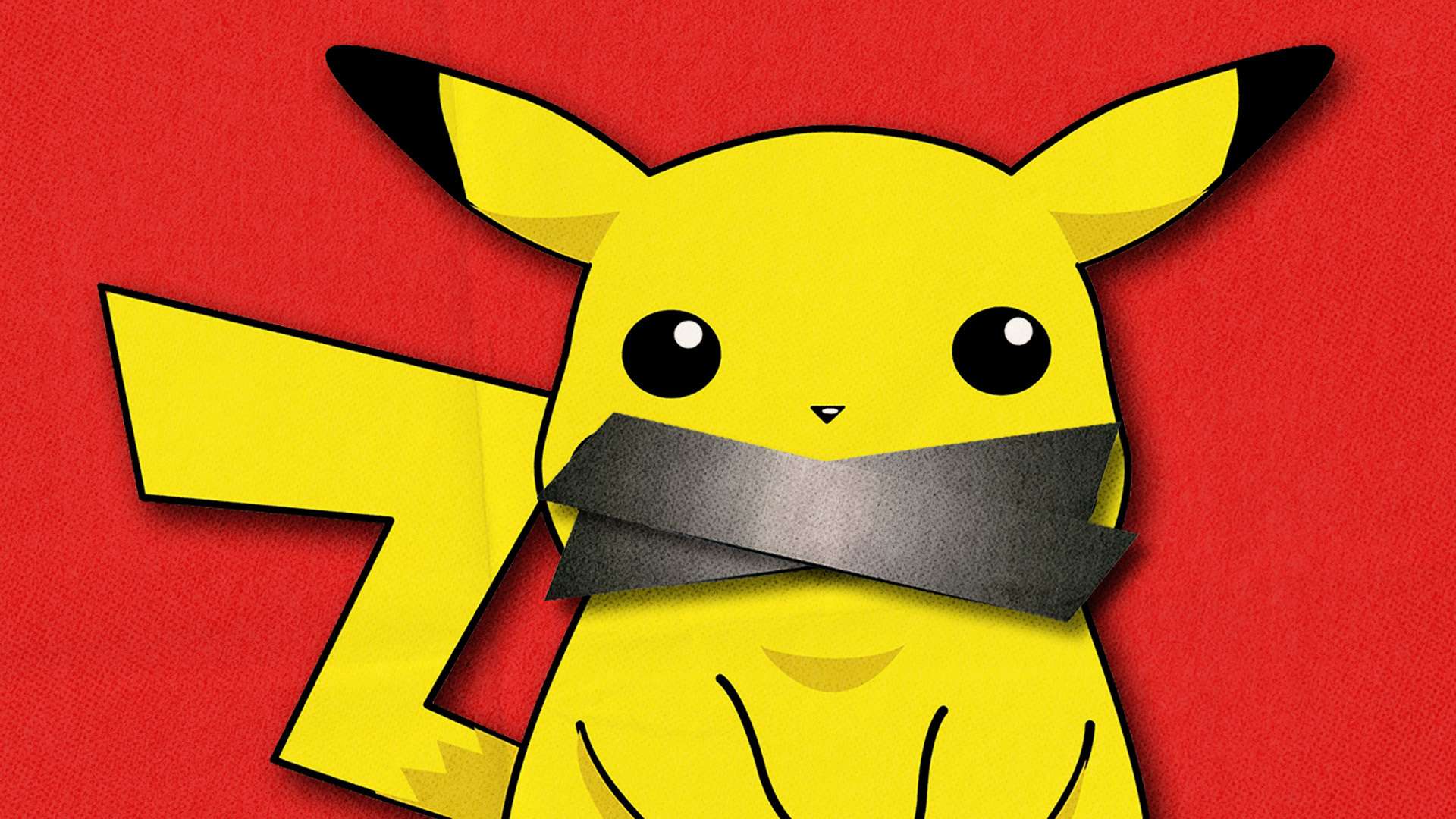
The Safer GAMING Act would silence minors in every online game by default—and violate the First Amendment.
It might seem far-flung, but lawmakers are pushing a bill that would prevent minors from choosing nicknames for their Pokémon online, infringing upon First Amendment rights.
Last month, the House of Representatives approved the KIDS Act, a broad package of youth online-safety measures. It includes the Safer GAMING Act, which would compel interactive online video games to “limit communication between” players “under the age of 17” and “any other user.”
That restriction would be automatically active by default and configured to the strictest possible setting, automatically blocking all “verbal, written, or visual messages” to and from minor players. Parents could adjust the safeguard “to a less restrictive setting,” but silence would be the default across every online game.
This sweeping regulation would violate the First Amendment. Minors possess a First Amendment right to both speak and receive information, including through video games and the internet. As the Supreme Court stated in 1975 in Erznoznik v. City of Jacksonville, “minors are entitled to a significant measure of First Amendment protection…and only in relatively narrow and well-defined circumstances may government bar public dissemination of protected materials to
