
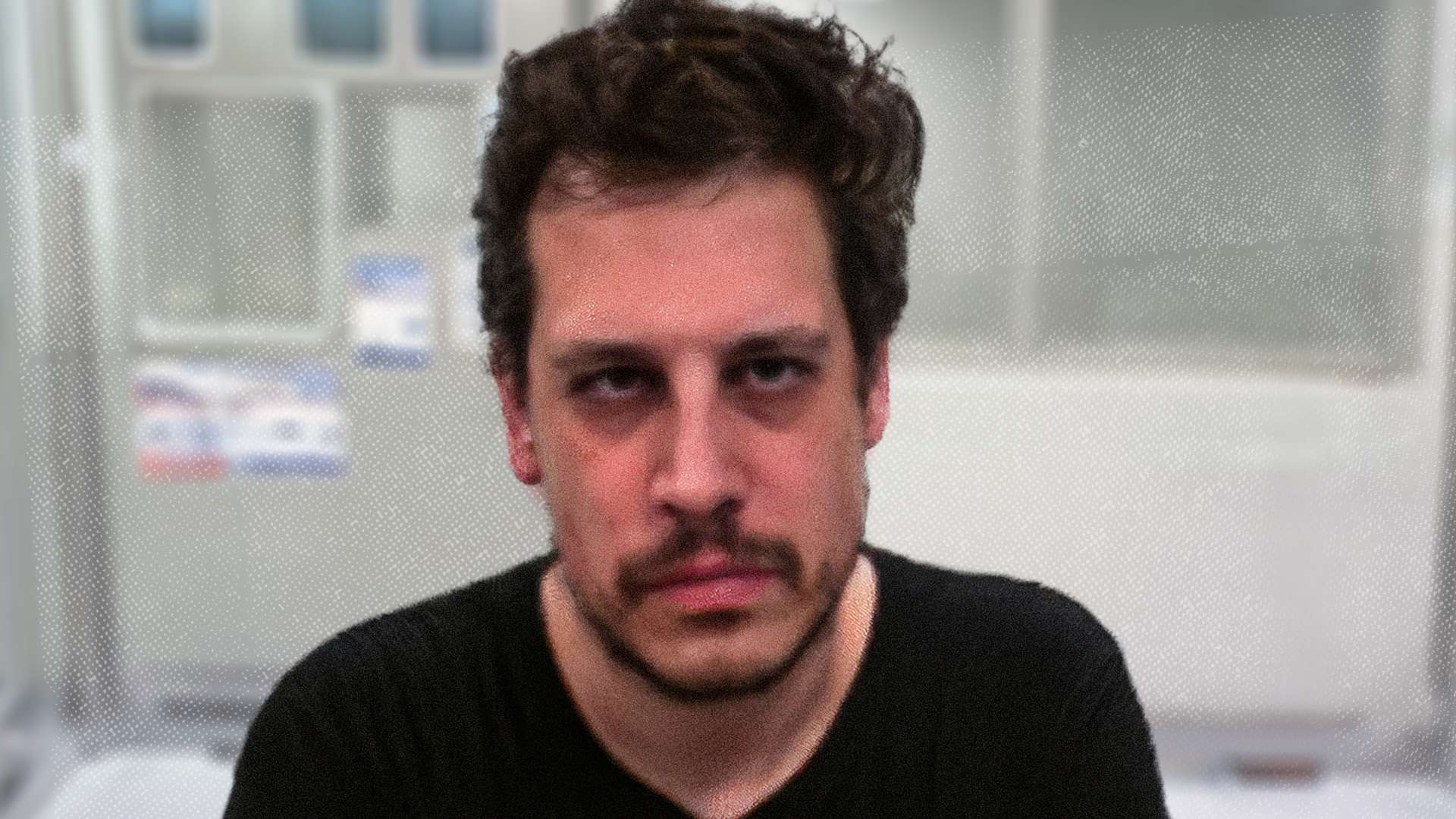
In a 2016 discussion with Joe Rogan, Milo Yiannopoulos described his idea of “bad immigrants,” clarifying that his label did not target attractive, charismatic, successful, blonde British newcomers.
During a post on X last year, the provocative commentator asked what the proper decorum might be if one happened to observe an Immigration and Customs Enforcement operation, wondering whether one should exhibit a certain level of respect and decency or whether public acts of self-pleasure could ever be appropriate in such a setting, or if one should search for cover under a canopy or inside a vehicle.
The truth of whether Yiannopoulos ever tested this notion remains unknown. Publicly masturbating in front of immigration authorities would hardly be a risky move for a British national, given the potential to trigger ICE detention—detention that Yiannopoulos himself is now experiencing, according to government records.

That rationale, however, does not fully explain the situation. A statement from the Department of Homeland Security explained that Yiannopoulos entered the country legally but later chose to overstay his welcome in violation of U.S. law, and he received a final removal order after missing his immigration hearing.
On August 27, ICE arrested Milo Yiannopoulos, an illegal alien from the United Kingdom, at the Louis Armstrong New Orleans International Airport (MSY) in Kenner, Louisiana. Yiannopoulos legally entered the country on May 14, 2019, through New York City, New York. He chose to… https://t.co/Hk6QBUmGDI pic.twitter.com/DbIhv8Z6PI
— Homeland Security (@DHSgov) August 28, 2026
The British commentator, who now collaborates with Kanye West, built his reputation on a flamboyant form of shock-and-awe political theatrics that prioritizes provocation over depth. He began as a fervent Trump supporter, but his stance soured in subsequent years.
Yet one thread of Yiannopoulos’ worldview has remained steady. He once argued that California should deploy ICE checkpoints at supermarket entrances, gas stations, strip malls, intersections, and government buildings, proposing immediate deportations for anyone unable to prove legal status. In October, he boasted about guiding the right audience toward deporting left-leaning British commentator Mehdi Hasan, a U.S. citizen, and imagining the moment of being shepherded onto a one-way flight. His summary creed was blunt: mass deportations are essential, and without them, nothing else truly matters.
It now appears he may become one of the people targeted for removal. The use of “we” in his rhetoric has always been odd, given that Yiannopoulos is not American. Nevertheless, he insisted that his earlier remarks referred to “bad immigrants” rather than to any broad category of people, insisting the real issue lay in culture.
Laura Loomer—another right-wing provocateur still aligned with MAGA loyalists—has claimed credit for notifying authorities about Yiannopoulos’ status; The Telegraph notes that Yiannopoulos’ visa situation is believed to have come under scrutiny after he fell out of favor with senior officials due to his increasingly hostile remarks. While Loomer’s assertions should be weighed carefully, they nonetheless remind us that perceptions of culture influence how people are treated.
A few years ago, I argued that the “Queers for Palestine” campaign had about as much credibility as “minks for fur coats.” The parallel fits here as well: a man accused of overstaying his visa cheering ICE raids as if they confirmed his worldview. Perhaps he will rethink the idea of indiscriminate deportations, including for people whose ideas he finds offensive, such as the Trump administration’s attempt to expel Rumeysa Ozturk, then a Tufts University doctoral student, for an op-ed. Yiannopoulos—indeed—deserves due process and humane treatment in detention, which ICE facilities do not always provide. And perhaps, in time, he may come to view those raids and the machinery behind them with a critical eye, finding them less arousing than before.
