
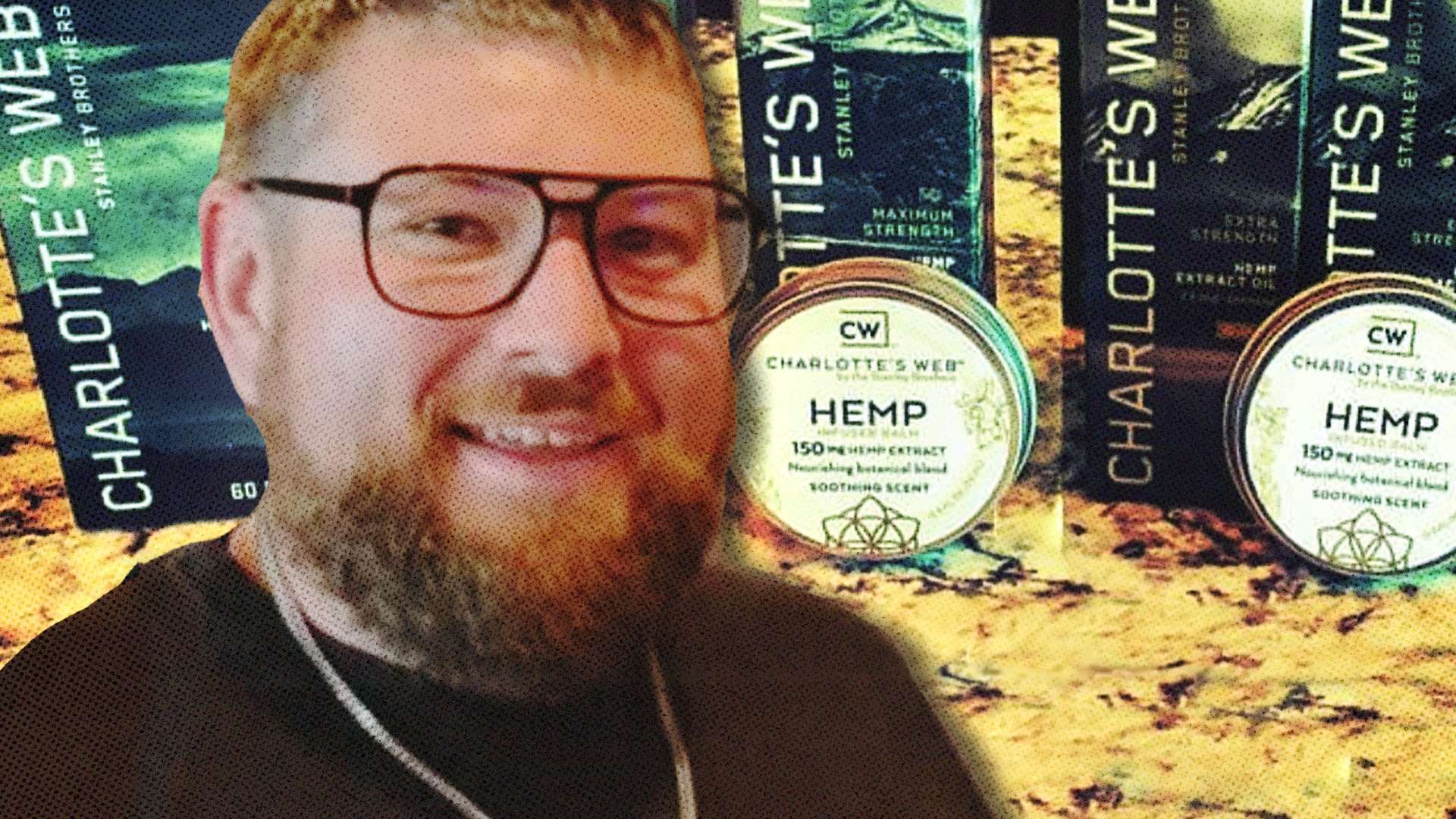
In 2018, Congress moved to legalize hemp, yet a fresh prohibition is slated to begin next month.
In Tampa, Affluent Wellness and Vapor Lounge markets kratom, hemp, and a range of other botanicals that many customers rely on as alternatives to prescription medicines for pain relief.
Owner Tom Mueller has firsthand experience with pain. After a back injury years ago, he has devoted his work to helping others find relief. Among his best-selling items are gummies made with hemp-derived THC. “I’ve offered these products since the Farm Bill was enacted in 2018,” he notes. Yet the federal government is poised to pull some of his top sellers from store shelves.
Starting December 11, a compact provision tucked into the federal spending bill passed last November goes into effect. It establishes a ceiling of 0.4 milligrams of total THC per container for finished hemp products. Any item exceeding that limit would be treated as marijuana under federal law. A single 5-milligram gummy already surpasses the cap by more than twelvefold. Estimates from the U.S. Hemp Roundtable suggest that roughly 95 percent of hemp-derived products currently on the market would become federally illegal.
Smoke shops carry nicotine, tobacco, kratom, pipes, and, of course, hemp goods. The owners I spoke with estimate that hemp makes up about one-fifth of their revenue. Losing this category would not only cut into sales but also complicate the sale of their livelihoods as small business owners.
The ban was originally slated to take effect on November 12, but the temporary spending bill approved by Congress in September pushed most of the ban back by a month. The delay did not extend to fully synthetic cannabinoids—substances the cannabis plant does not produce by itself—which all lost their legal status on Thursday.
The 2018 Farm Bill legalized hemp, defined as cannabis containing no more than 0.3 percent delta-9 THC by dry weight. Entrepreneurs studied the statute and built an industry around it: gummies, THC-infused beverages, smokable hemp flowers, and other products that lined gas stations, smoke shops, and specialty stores. Florida followed suit with hemp legalization in 2019.
Florida lawmakers later tried to rein in intoxicating hemp. In 2024, Republican Gov. Ron DeSantis vetoed that measure, citing the burden on small businesses. Then Congress stepped in anyway, via a must-pass budget bill that largely reflected a vote to reopen the government.
For small operators, the trouble began even before the ban. In July, shop owner Michael Smith told Florida Phoenix that roughly 80 percent of sales at his two Herban Flow locations in St. Petersburg come from hemp-derived THC goods. At the supply-chain end, Treadwell Farms in Umatilla had reduced purchases to six farmers by midyear, instead of about 20 in a typical year. “Farmers aren’t planting crops this season,” said Jammie Treadwell in the same Florida Phoenix piece.
Several other Florida hemp business owners I spoke with expressed worry about the ban but declined to speak on the record for fear of attracting scrutiny from health inspectors. “I don’t want to provoke retaliation,” one proprietor told me.
Faraz Alam, a Tampa real estate investor and serial entrepreneur, was nearly ready to acquire an existing smoke shop when the hemp ban altered his plans. “The numbers looked good at the outset. By the time I completed my analysis, they didn’t,” says Alam. “The hemp ban removes roughly 20 percent of that store’s sales, and if kratom gets restricted, that would add another 10 percent… I couldn’t justify investing in earnings that were about to evaporate.”
Once hemp is deemed marijuana under federal law, the tax code forbids these businesses from deducting ordinary business expenses, Insurance Journal reports.
Some lawmakers are fighting back. The Lawful Hemp Protection Act, introduced by Reps. Andy Barr (R–Ky.) and Angie Craig (D–Minn.), would replace the ban with federal rules governing testing, labeling, manufacturing, and age restrictions. (Barr has since won a Senate seat, while Craig exited politics after a primary and will depart Congress at year’s end.)
Even the White House has voiced concern: Trump urged Congress to modify the ban for full-spectrum CBD products, and his budget chief pressed House Speaker Mike Johnson to alter the rules.
Rather than a full reversal, Congress offered the industry a one-month extension and a new deadline. For shop owners like Tom Mueller, that deadline has quickly become imminent.
