
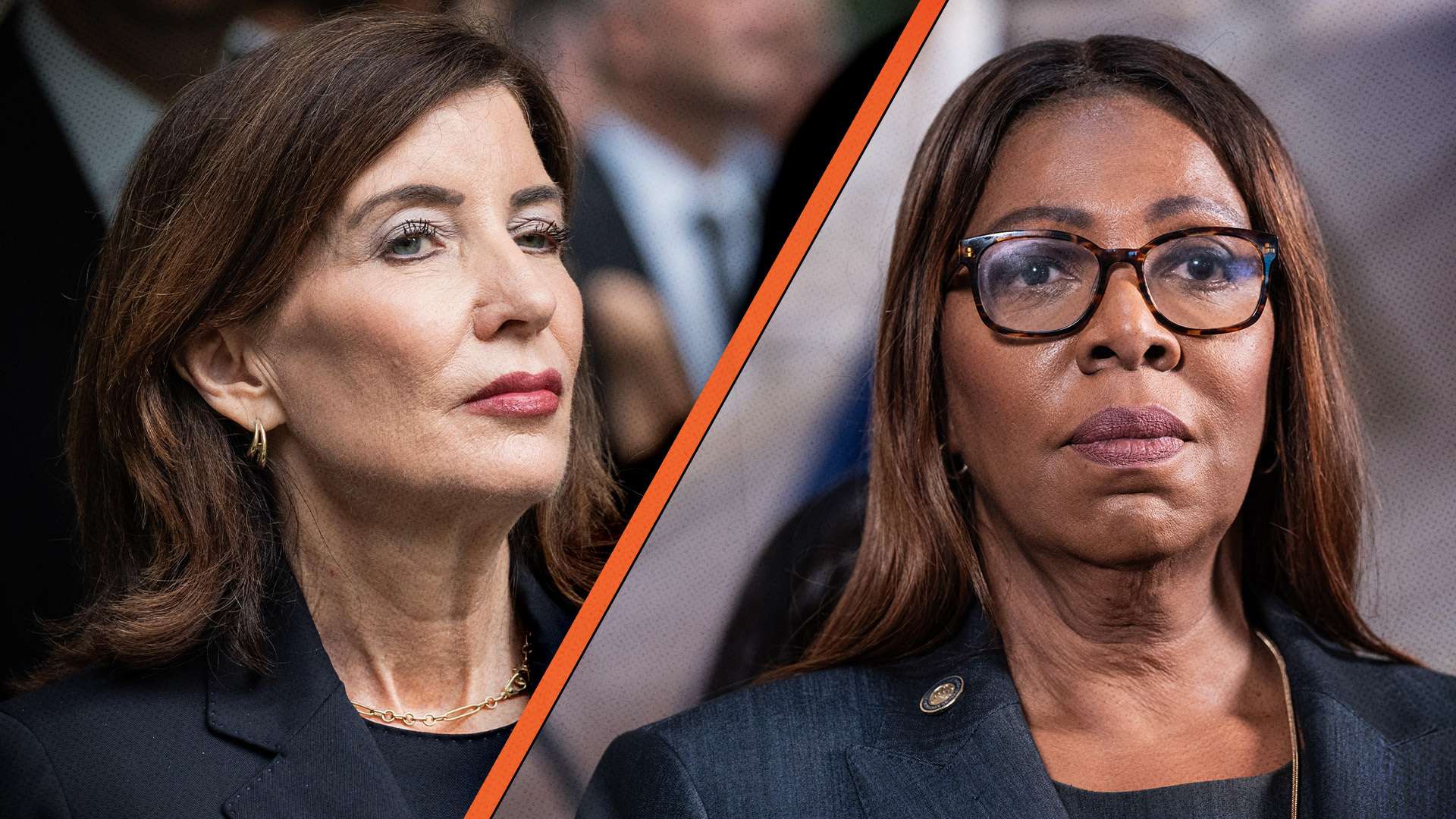
New York Governor Kathy Hochul has appointed a special prosecutor, designating Attorney General Letitia James to supervise a fresh inquiry into how Cornell University handled a 2024 sexual misconduct allegation. That case is the subject of a lawsuit brought by the alleged victim, identified in court as Jane Doe, who accuses a gang-rape incident at the Chi Phi fraternity house in October 2024, a claim that has attracted substantial media attention this week.
A chorus of commentators has joined the discussion, and James is among them:
“What this young woman has endured is horrific and unacceptable,” James wrote on X on September 28. “I’m keeping her in my heart and in my prayers. To her, and to all survivors: you’re not alone. We stand with you.”
Her ordeal has been unbearable and unacceptable. I’m keeping her in my thoughts and prayers.
To her, and to all survivors: you are not alone. We stand with you.https://t.co/az4ViQwgy1
— NY AG James (@NewYorkStateAG) September 28, 2026
This goes beyond a mere gesture of sympathy toward a woman who has spoken out about a troubling experience. James referred to Doe as a “survivor” and asserted her solidarity. That stance seems inappropriate given Hochul’s instruction that James uncover the truth, regardless of which account it supports. A truly independent investigator should be willing to entertain the possibility that Doe’s description of events in the lawsuit could be inaccurate, especially since her initial statement to the police and the text messages from that time depict a very different sequence of events.
Asked about this potential partiality at a Friday press conference, James declined to comment. Hochul reiterated her backing for James, while criticizing Matthew Van Houten—the district attorney who declined to press charges two years ago—the Cornell University police, and the university administration for not doing more.
Hochul also tackled what she described as the intoxication “loophole,” her belief that the law fails to protect intoxicated individuals from rape. Under New York law, a person’s level of intoxication does not automatically render them unable to consent unless they were coerced into using drugs and alcohol, or they pass out. Hochul views this interpretation as deficient.
“If someone is too intoxicated to consent, it should not matter whether they chose to use drugs or alcohol,” she said at the press conference. “Voluntary intoxication is not a license for sexual assault or gang rape, period. I support closing this gap in the law.”
This remark struck some as muddled, since there is no real loophole to exploit. A person who is intoxicated clearly retains the right to withdraw consent at any time. And if a person passes out, consent is withdrawn. The law does not permit sexual activity with an intoxicated person who objects.
James’ designation as special prosecutor comes amid fresh reporting from The New York Times that casts new light on the accounts of seven fraternity brothers accused in the case, all of whom deny any sexual assault of Doe. Four say they had sex with her, and it was consensual; two deny any sexual contact with her; and a seventh says Doe performed oral sex on him while he was too drunk to consent. They recall Doe repeatedly and clearly giving her consent to the sexual conduct that took place.
Unfortunately, there is substantial reason to doubt whether James intends to treat them fairly.
