
The proposed “duty of care” could compel platforms to curb lawful speech in the name of safeguarding minors.
The latest bid in Congress to govern the online world has stalled, awaiting the outcome of the midterm elections.
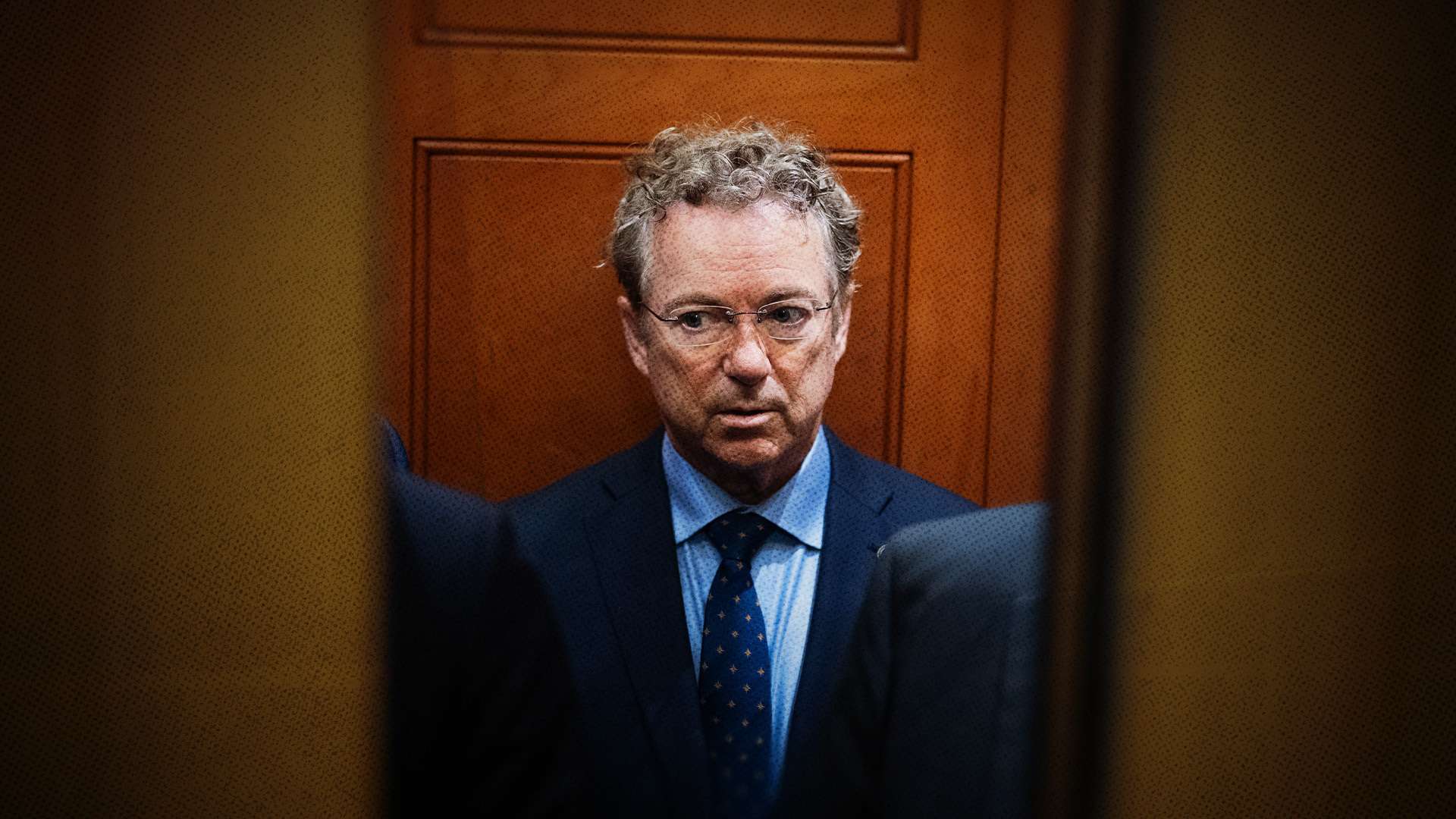
Last Wednesday, Senator Rand Paul (R–Ky.) blocked a move to advance the Senate’s Kids Online Safety Act (KOSA)—a measure that would, in theory, require platforms to “exercise reasonable care” when designing any feature that could foreseeably affect minors—via unanimous consent (a rapid passage method that only proceeds if no senator objects). Paul opposed the move, and with the Senate having recessed for the elections, KOSA remains in limbo for the moment.
“If benevolent aims produced good laws, or created good laws, there would be no need for congressional debate,” Paul remarked in his objection. “I’m certain the bill’s authors intend to safeguard children, but the bill they drafted risks becoming a Pandora’s box of unintended consequences.” He maintained that KOSA would “impose an unprecedented duty of care” on platforms, and that such a requirement would “inevitably” lead to “the suppression of First Amendment–protected speech.”
“Free minds and parental oversight are the best tools to keep our children safe online,” he added.
The proposal has circulated in Congress for more than four years, and the debate over free speech has shadowed it nearly from the outset. In June, the House approved online-safety legislation that incorporated elements of KOSA but left out its “duty of care” clause, while the Senate Commerce Committee advanced a version in August that kept the clause in place (the version Paul blocked).
Civil liberties groups warn that, in attempting to police content regulators deem harmful to children, platforms may end up suppressing legitimate speech unintentionally. The bill defines such “harms” as including materials related to eating disorders, substance use, depression, anxiety, suicidal behavior, harassment, drugs, tobacco, alcohol, and finances. These broad categories could enable extensive content moderation.
In an opposition letter to the House, the American Civil Liberties Union (ACLU) set out its First Amendment concerns with the measure. “In response to KOSA’s demand that platforms establish ‘reasonable policies’ to address harms… platforms are likely to remove information they deem could contribute to those harms.”
“While platforms may intentionally over-censor to evade liability, that problem will be compounded by the imperfect nature of content moderation,” the ACLU added. For example, a platform’s “content moderation algorithm could unintentionally remove information about addiction recovery, because it shares keywords with content that might prompt minors to purchase or consume alcohol.”
The “duty of care” clause is a non-starter for the Senate sponsors, Richard Blumenthal (D–Conn.) and Marsha Blackburn (R–Tenn.). In a June statement, the duo criticized the House for removing the clause from its version of the bill, calling it “a pale imitation of Big Tech accountability.” They also refused to drop this clause from the Senate version: “We will not back down from the effort to enact the stronger, more broadly supported Kids Online Safety Act, and we will not approve hollow reforms that leave Big Tech’s predatory business model intact.”
Beyond concerns about free speech, there appears to be a broad political consensus that social media can be detrimental to youths and that regulation is the remedy. The evidence, however, is not clear-cut. A 2022 umbrella review of 25 studies on adolescent mental health suggested that “most reviews interpreted the links between social media use and mental health as ‘weak’ or ‘inconsistent.’” A 2023 longitudinal study of 10- to 15-year-olds in the U.K. found “little evidence” that spending more time on social platforms predicted later mental health problems after accounting for other factors.
The potential upsides of social media seldom receive full consideration either. A 2022 systematic review and meta-analysis indicated that online social support “may be linked to enhanced self-identity and life satisfaction, reduced loneliness and social anxiety,” and that it can “mitigate the negative effects of stress and cyberbullying on mental health.” For LGBTQ youths, social media is particularly significant: a 2022 systematic review found that social platforms “may support the mental health and well-being of LGBTQ youths through peer connection, identity management, and social support.” Moreover, as Reason’s Elizabeth Nolan Brown reported, a 2026 JAMA Pediatrics study covering fourth through 12th graders found that moderate use of online platforms correlated with the strongest well-being outcomes, outperforming those who avoided social media entirely.
With the evidence about social media’s impact so mixed, Paul is right that parents, not the federal government, should decide what’s appropriate for their children. And assigning platforms a legal duty to prevent broadly defined harms risks curbing lawful—and potentially beneficial—speech in the process.
