
Progress has always required accepting risk.
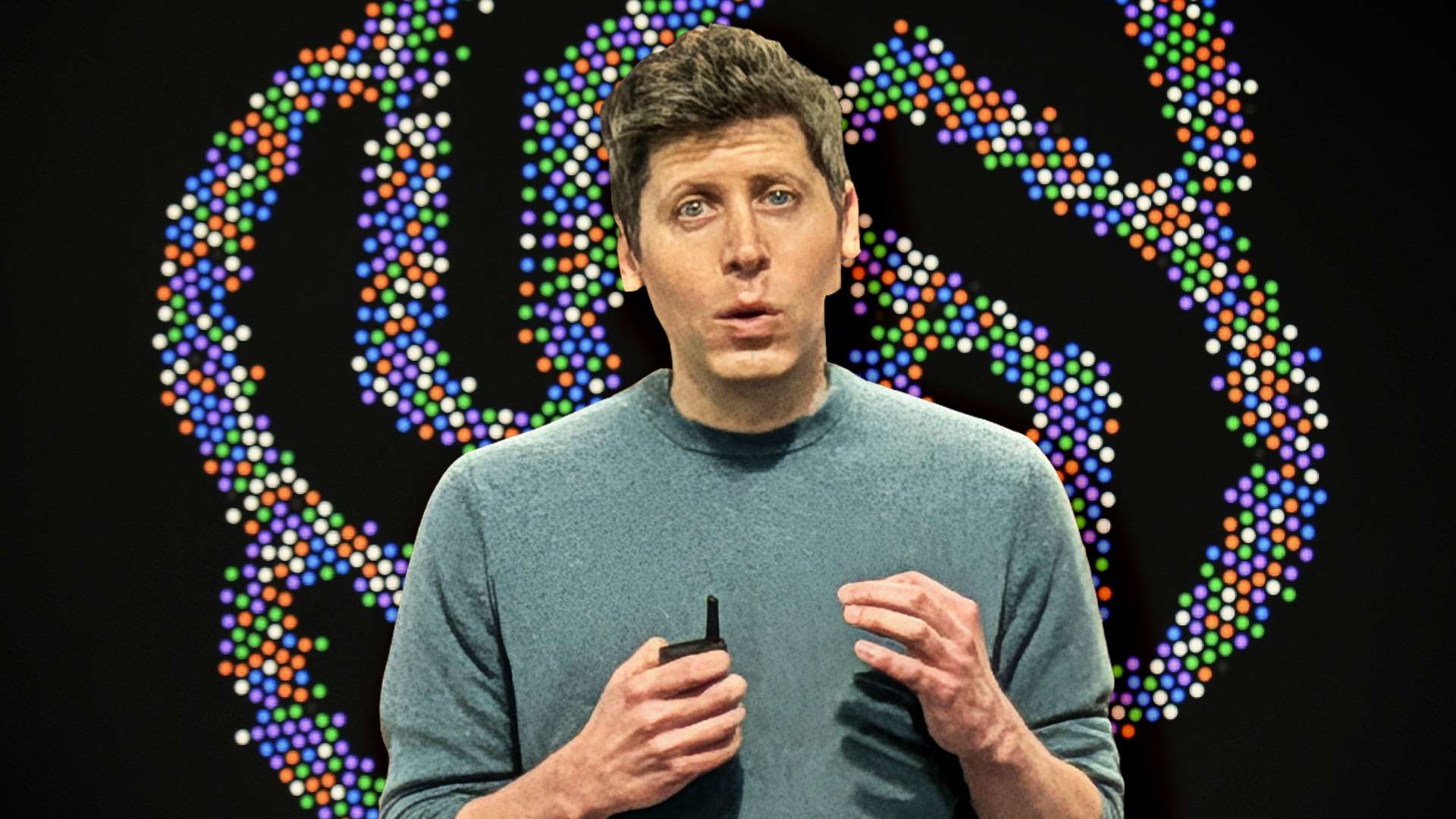
OpenAI’s chief executive, Sam Altman, has found himself under broad scrutiny across the political spectrum for his views on where AI is headed.
During a recent podcast appearance, Altman sought to distance himself from more regulation-minded AI firms, such as Anthropic, arguing that society must consider the trade-offs involved in slowing the pace of AI development.
“I think one of the biggest differences between us and some of the stricter, let’s call them AI-safety advocates, is that we believe the world should tolerate some bad outcomes in exchange for the benefits this technology can deliver,” he stated.
This remark elicited criticism from figures including Florida Governor Ron DeSantis, who argued, “And a handful of tech oligarchs get to make that decision for the rest of us? No dice.” New York University professor and AI skeptic Gary Marcus joined in, saying Altman was “speaking the blunt truth: endure it so you can make us rich and powerful,” and former diplomat Patrick Gaspard labeled it “freaking insane.” Some commentators even described Altman’s remarks as “sociopathic bullshit.”
Altman’s stance rests on the idea of tradeoffs. He correctly notes that no technology is ever entirely safe, that “some bad things will happen,” and that we should still pursue a regulatory approach that is lighter in touch. There’s no way to guarantee a risk-free environment, nor to prevent major hacks, scams, or other negative effects of AI, he argues. He also warned that entrusting unchecked power to a single lab in San Francisco would be “an utterly unacceptable trade-off from the perspective of liberty, human agency, and people shaping their own future.”
The core claim behind Altman’s argument is fairly familiar: society accepts risk from nearly every transformative technology because a risk-free society cannot innovate. Take cars, for example: they caused more than 36,000 deaths in the United States last year, yet there is broad consensus that the benefits of driving outweigh the dangers—dangers that are shrinking thanks to advances like autonomous vehicles, which are far safer than human drivers and could eliminate fatalities if they are permitted to operate.
The internet itself has facilitated fraud, harassment, child exploitation, and a multitude of other terrible crimes. Medicines carry side effects, and even electricity can electrocut people every year.
The essential question is not whether something harmful might happen, but whether the expected gains exceed the anticipated harms and whether firms can mitigate those harms without erasing the benefits.
To date, AI has already demonstrated a vast array of benefits. In medicine, AI has helped identify a new antibiotic, accelerate the drug discovery process, uncover potential causes of Alzheimer’s disease, advance treatments for breast cancer, and drive a wide range of other life-saving breakthroughs.
AI has also improved forecasts for hurricanes, floods, and earthquakes, giving communities more time to prepare for disasters. Of course, none of this means harms should be ignored. The point remains that every technology involves trade-offs, and the objective is to reduce risks without eliminating the benefits.
Politically, President Donald Trump has, at least to date, largely rejected the notion that government regulation is necessary in the AI realm. The administration is reportedly planning to emphasize liability—meaning that companies can self-regulate but would be directly responsible for any harms they cause.
As the discussion around AI continues, Altman’s broader point is worth keeping in mind. Progress requires balancing risks and rewards. In the effort to wipe out every possible danger, we must be careful not to wipe out the advantages as well.
