
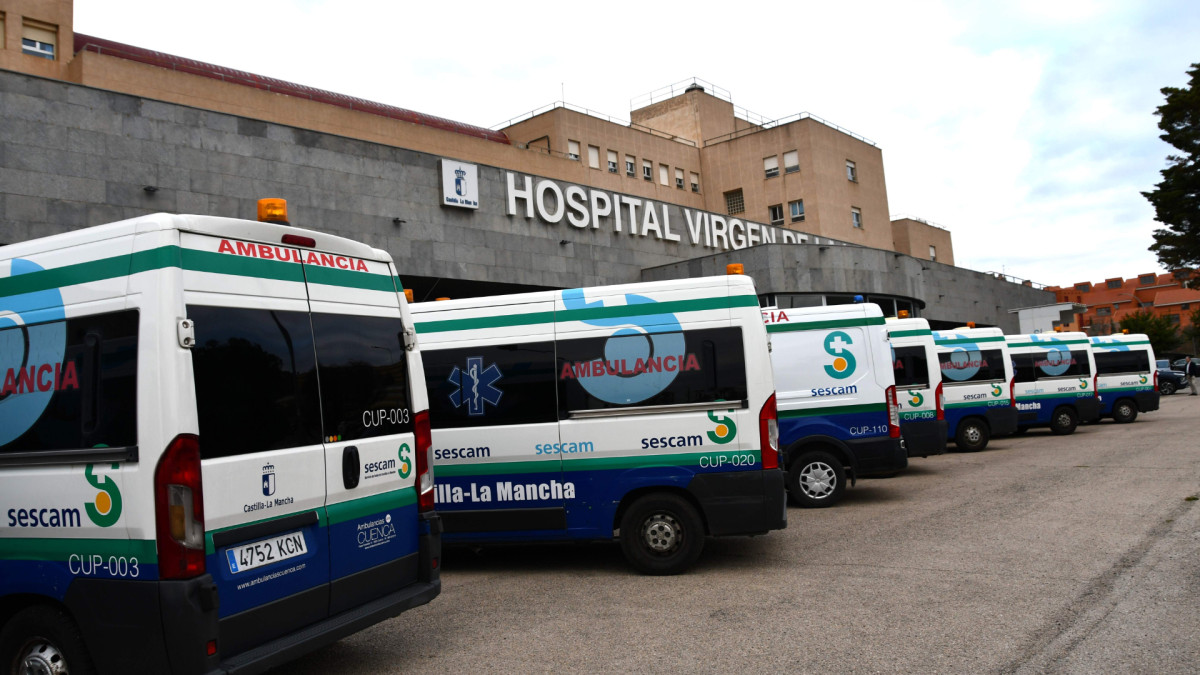
Spain appears in international rankings as one of the countries with the best health outcomes. Life expectancy ranks among the highest in the world and mortality from preventable causes is comparatively low. Yet this depiction of apparent success coexists with a growing public perception of deterioration in the health system: difficulties accessing primary care services, long waiting lists, and a sense of social and territorial inequality in the actual access to healthcare. This apparent contradiction reflects a system that has reached high levels of performance in outcome indicators, but shows clear signs of fatigue in its everyday responsiveness and its ability to adapt to the population’s social challenges.
The debate in Spain about improving and protecting the health of our population can no longer be framed in binary terms —”the system works” or “the system is in crisis”—, but in more concrete questions: what works, for whom and at what cost.
The Dilemma of Success: We Live Longer, but We Do Not Have Better Access to the Health System
Spain maintains a life expectancy above 83–84 years and a rate of mortality from preventable and treatable causes among the lowest in the European Union. These indicators reflect a health system that is effective in hospital treatment, secondary prevention, and management of acute conditions.
“In an aging society like Spain, timely access becomes a health determinant as vital as the technical quality of care”
Nevertheless, access indicators show a worrying trend. According to the 2024 Health Barometer, when care is not obtained the same day, the average wait to secure an appointment in primary care is 8.7 days, and more than a third of patients referred to specialty care wait three months or longer. By the end of 2024, more than 846,000 people were awaiting non-urgent surgical intervention, with an average wait exceeding 120 days.
This shift in the debate—from ultimate outcomes to access times—is highly important. In an aging society like Spain, and with a high burden of chronic disease, timely access becomes a health determinant as significant as the technical quality of the care provided.
In conditions such as diabetes, COPD, heart failure, or mental health disorders, delays in primary or specialized care translate into avoidable decompensations, greater use of emergency services, and a rise in hospital admissions that could have been prevented. In mental health, prolonged delays promote the chronicity of problems and push care toward the private sector, deepening social inequalities.
Big Reforms Pending: Prevention Focus and Primary Care
A substantial portion of Spain’s disease burden is linked to what are known as preventable risk factors. More than 60% of the adult population does not meet recommended physical activity levels, alcohol consumption remains high compared with the European average, and obesity continues to rise, especially among disadvantaged socioeconomic groups.
“The overload of care, lack of time per consultation, and difficulties accessing primary care limit their ability to fully perform these preventive and community health roles”
These patterns cannot be explained solely by individual choices. Evidence shows they are deeply shaped by urban, occupational, educational, and commercial environments: availability of spaces for physical activity, structure of work time, food offerings, and advertising pressure.
In this frame, primary care occupies a strategic and fundamental position. Not only as the gateway to the health system, but as the space where prevention, early detection of physical and mental health problems and the follow-up and control of highly prevalent chronic diseases converge. However, overload in care, lack of time per consultation, and access difficulties limit its capacity to develop fully these preventive and community health roles.
Climate Crisis: An Emerging Health Determinant
The climate crisis is an emerging health determinant that can no longer be treated as an externality. The rise in extreme temperatures, the increasing frequency of heat waves, the degradation of air quality, and extreme weather events such as DANA depressions and large wildfires have a growing and measurable impact on population health in Spain and in Europe.
“Heat waves are associated with significant increases in mortality — especially from cardiovascular and respiratory causes — and disproportionately affect older people”
In Spain, heat waves are linked to notable rises in mortality — particularly from cardiovascular and respiratory causes — and disproportionately affect older individuals, populations with high prevalence of chronic diseases, and socially vulnerable groups such as those living alone or experiencing energy poverty. The Lancet Countdown has consistently documented how global warming increases exposure to health risks and strains health systems, especially in countries with aging populations.
Climate change also acts as a multiplier of inequalities: those living in poorly insulated homes, in urban areas with less green infrastructure or lower adaptive capacity suffer greater health impacts. Integrating climate action into health policy—from urban planning to epidemiological surveillance and community prevention—is not a separate environmental agenda, but a necessary condition to protect the health gains achieved.
Social Inequality: When the Average Hides Gaps
Official reports show a clear social gradient in health. The prevalence of chronic diseases, obesity, sedentary lifestyle, and mental health problems is higher among people with lower education and income levels.
These inequalities also manifest themselves in actual access to the health system. Prolonged delays disproportionately penalize those with less capacity to turn to private options or to manage waiting times without economic or work-related repercussions.
Health equity is not a byproduct automatically produced by universalism, but the result of proactive policies that are capable of incorporating a social determinants of health perspective. A health system can be excellent on average and, at the same time, fail to achieve health equity.
Governance in a Decentralized System: Coordination Without Centralization
Decentralization has allowed health management to adapt to diverse territorial realities, generating significant heterogeneity in access, waiting times, and intermediate outcomes. The Health Profile of Spain in the EU identified administrative barriers and territorial variability as two of the system’s main challenges.
The institutional challenge is not to centralize competencies, but to strengthen the governance of the decentralized system through common standards, comparable data, transparency, and effective coordination mechanisms between administrations. Without these instruments, the system risks fragmenting into subsystems with very unequal capacities.
The Spending Debate: Not Only How Much, but What For
Spain allocates a portion of its GDP to health and spends per capita less than major neighboring European countries such as Germany, France, or the Netherlands. But the meaningful debate is not only about the amount; it is also about the quality: what is spent on and what health returns does that spending generate.
“The weight of out-of-pocket health spending — particularly in areas like dental care, eyewear or psychological care — introduces clear elements of inequality”
Much of the expenditure goes toward hospital care and treating advanced stages of disease, while investment in prevention, public health, and primary care remains very limited and insufficient. At the same time, the burden of out-of-pocket health spending — especially in areas like dental care, glasses, or psychological care — introduces clear elements of inequality that challenge the system’s equity and deepen health disparities.
From Diagnosis to Political Decisions
Spain starts from a privileged position: a long-lived population, an effective health system, and health outcomes among Europe’s best. But this apparent success does not guarantee future sustainability. Population aging, rising chronic disease and multimorbidity, persistent and growing health inequalities, and the effects of the climate crisis are redefining the playing field.
The question is no longer whether the system has worked, but whether it will be able to adapt for the near future. The pending reforms — strengthen real prevention, reduce health inequalities, shield our health from the climate crisis, improve access, better coordinate a decentralized system, and reorient spending toward future health — are not minor technical adjustments. They are political decisions that will determine whether we can move from efficient health systems to truly sustainable, equitable, and resilient systems able to face 21st-century challenges.
